
Dust and fluff · fine mesh
Anti-Dust
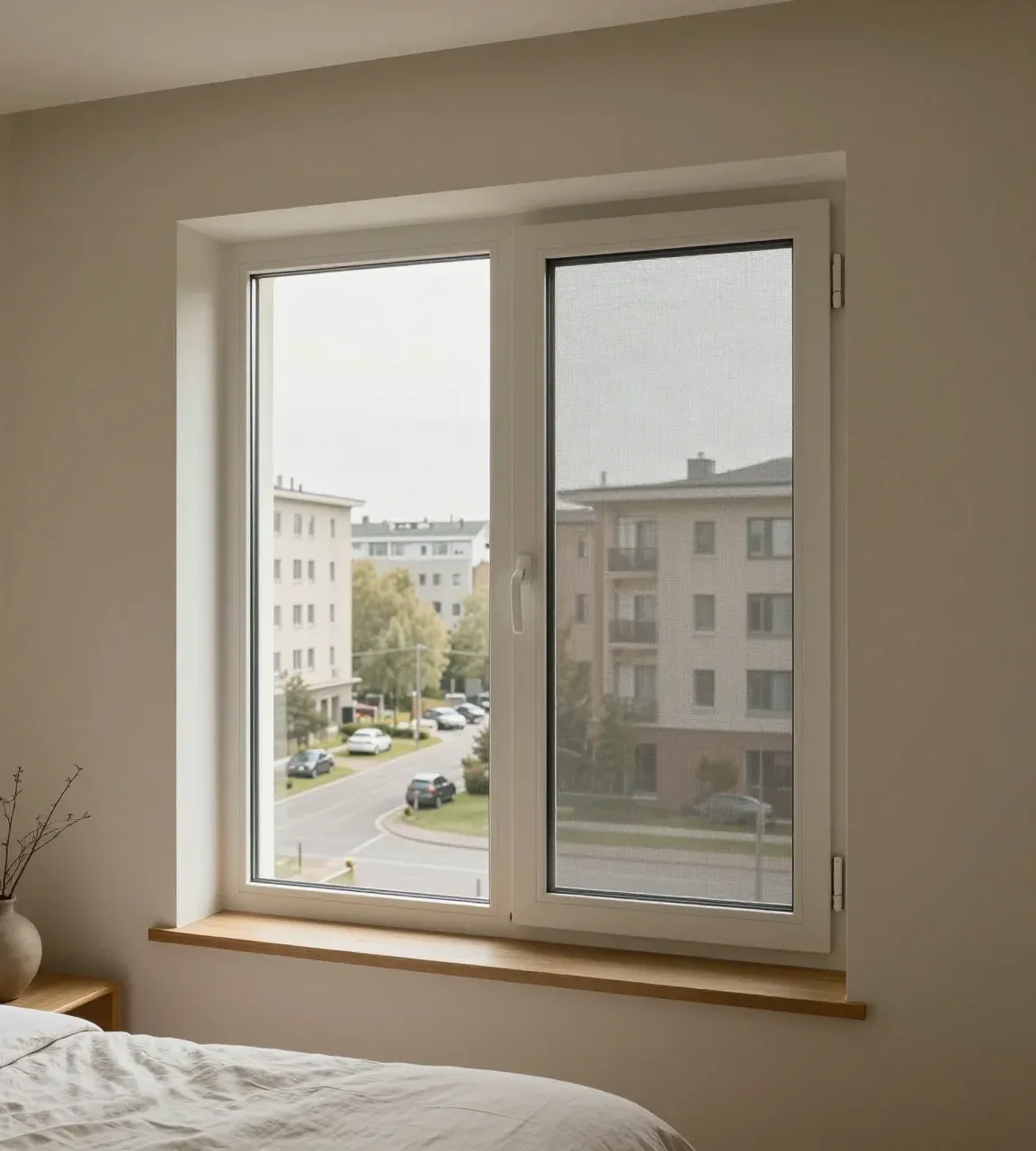
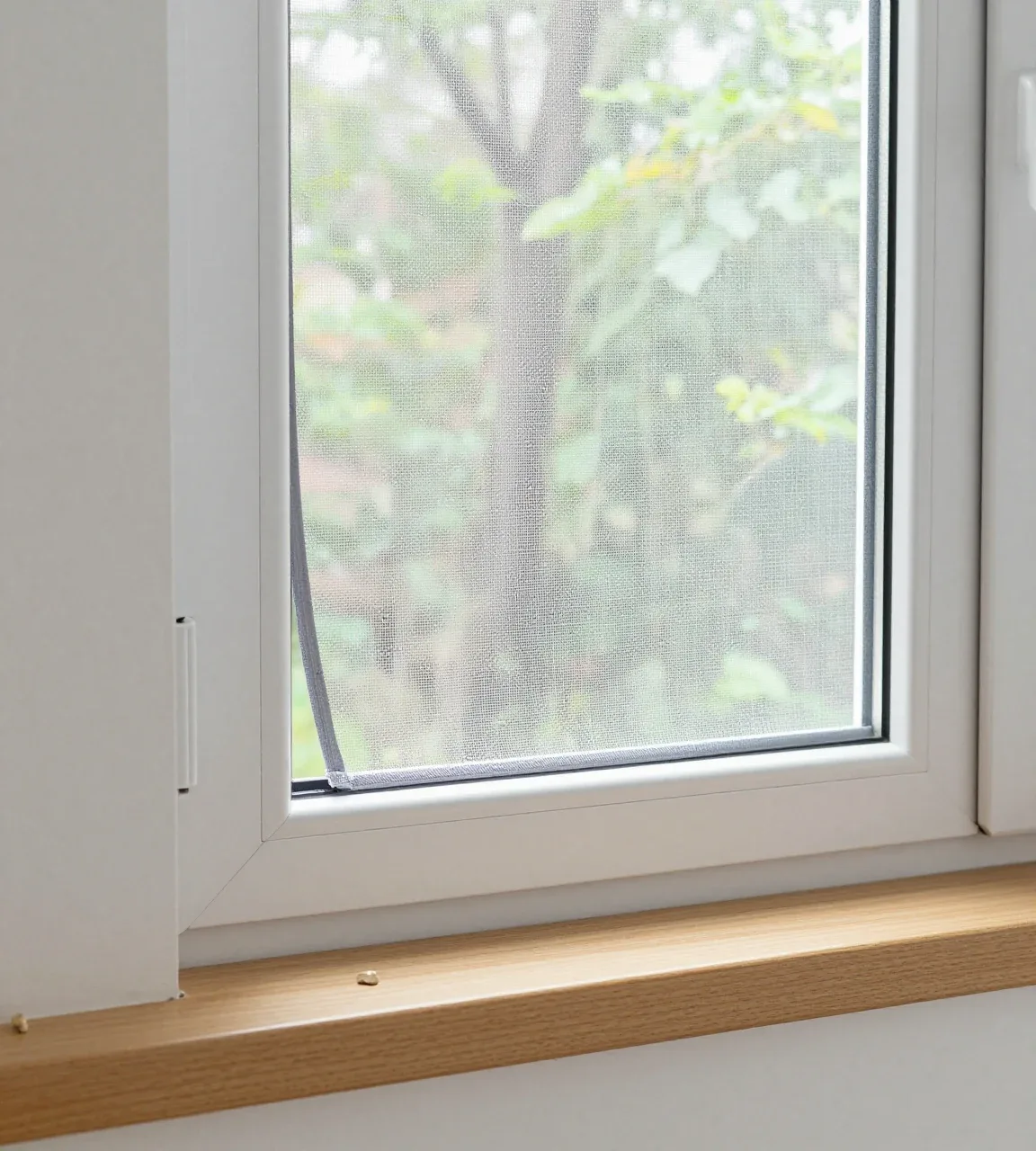
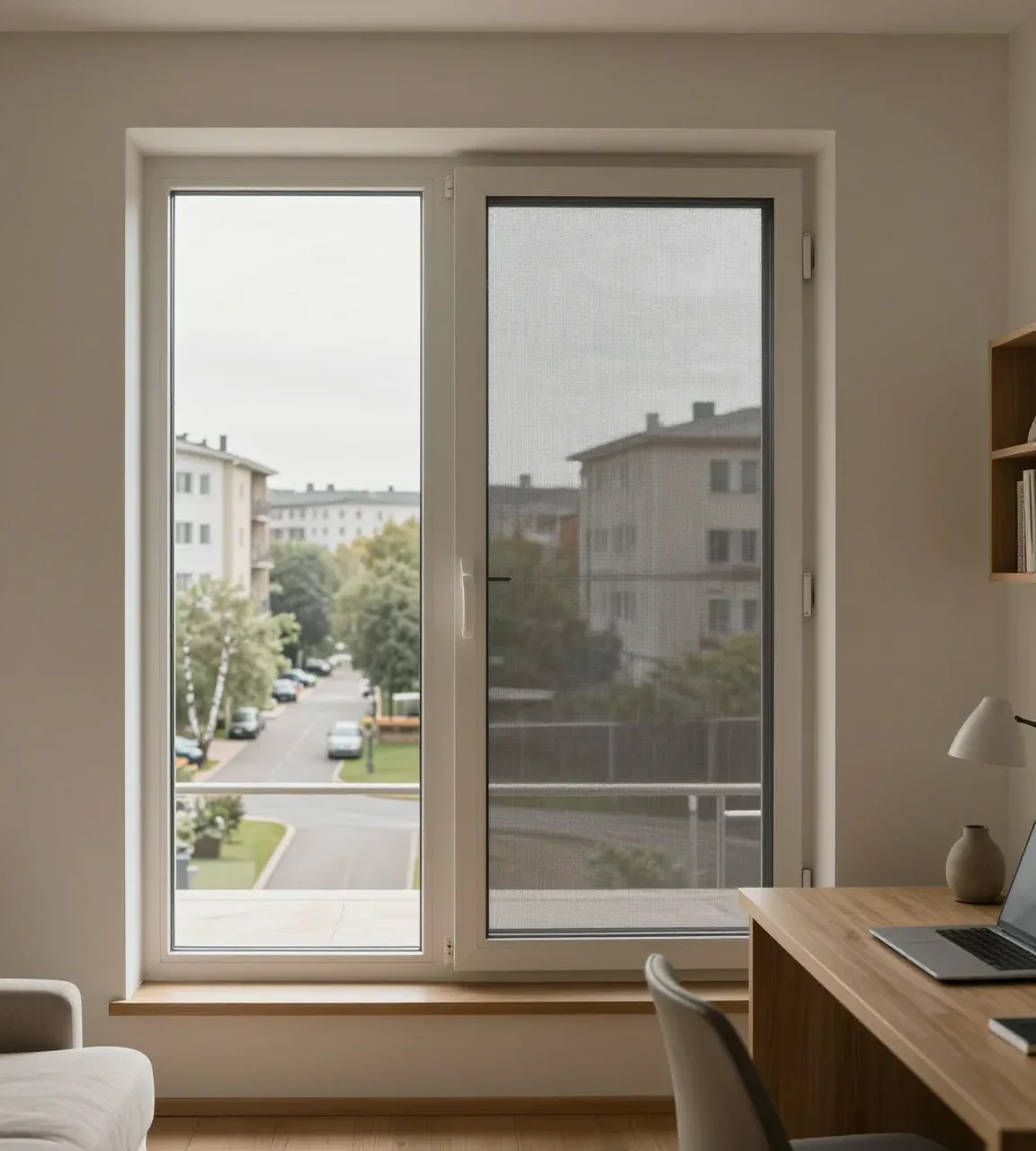
The fine mesh fabric traps dust, poplar fluff and small midges. Price from 12 000 ₸ per m².
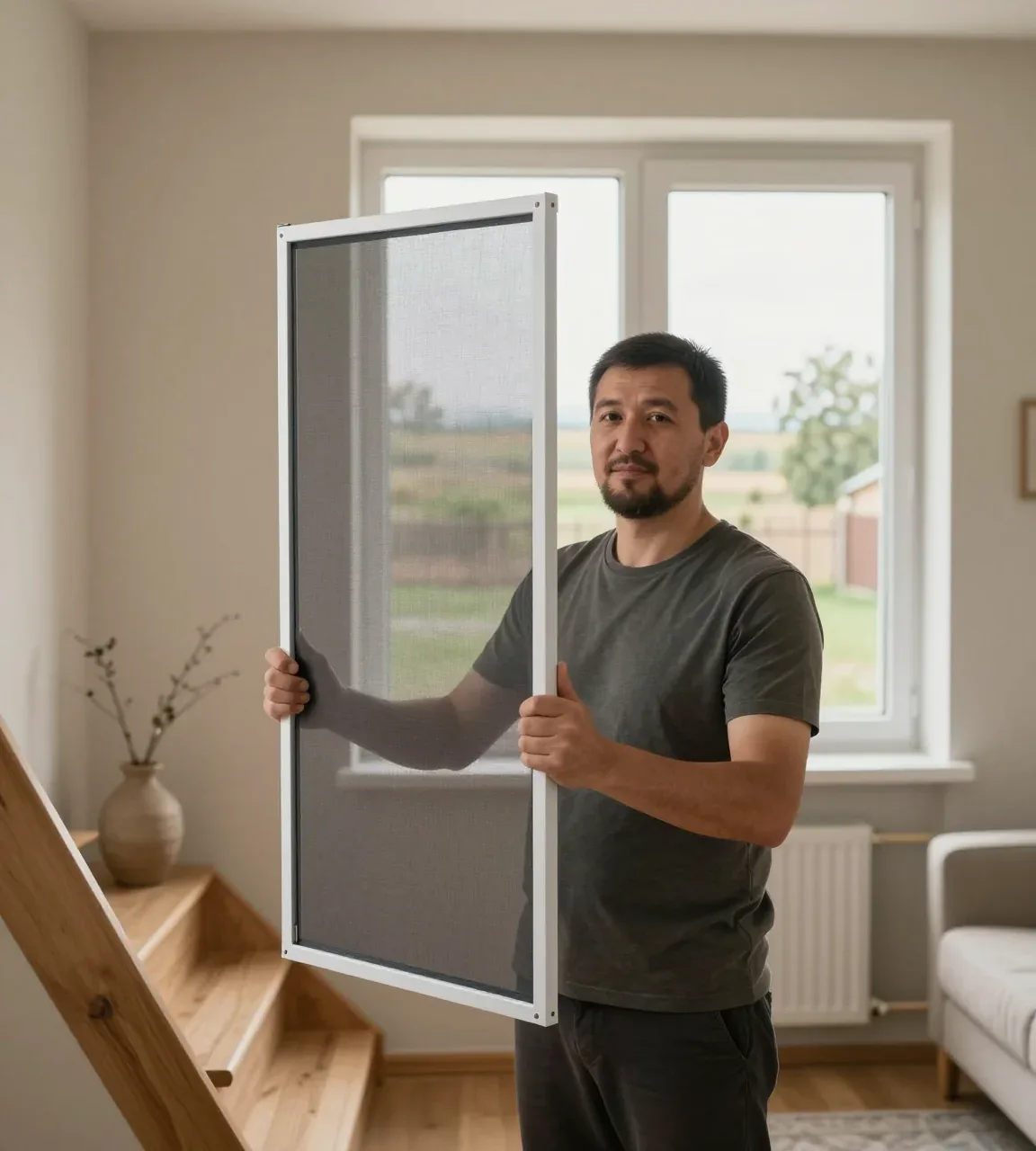
Anti-Dust
The fine mesh fabric traps dust, poplar fluff and small midges. Price from 12 000 ₸ per m².
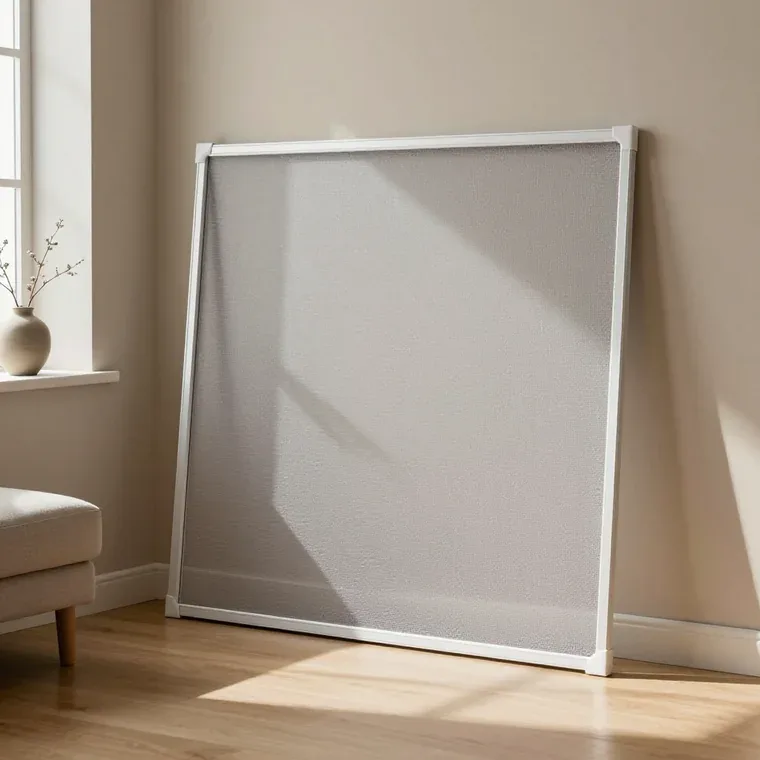
Anti-Pollen
0.25×1 mm cell, hypoallergenic fabric for those sensitive to dust. Price from 12 200 ₸ per m².
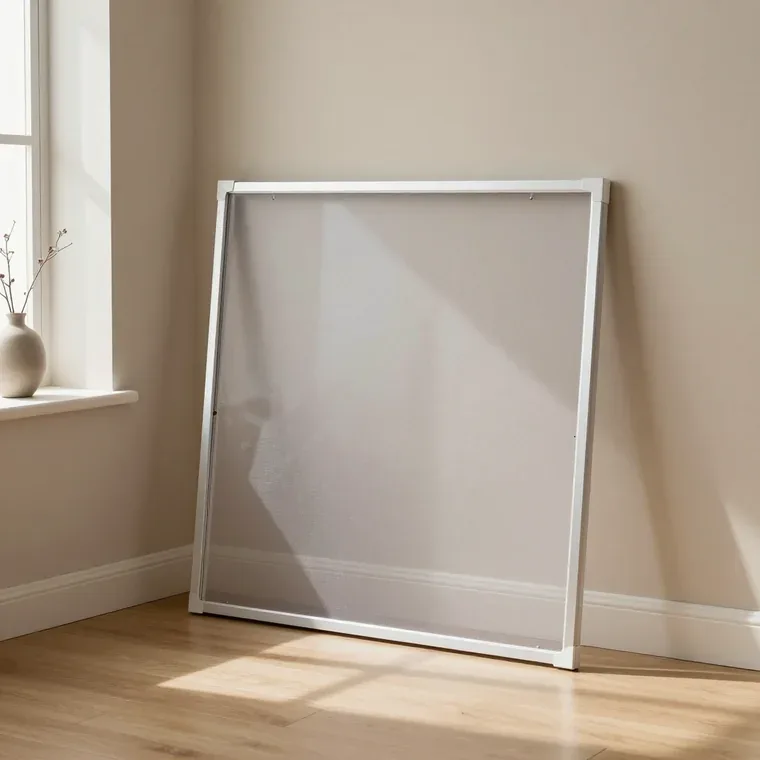
UltraVue
Lets through 25% more light and air than other fabrics in the range. Price from 12 000 ₸ per m².
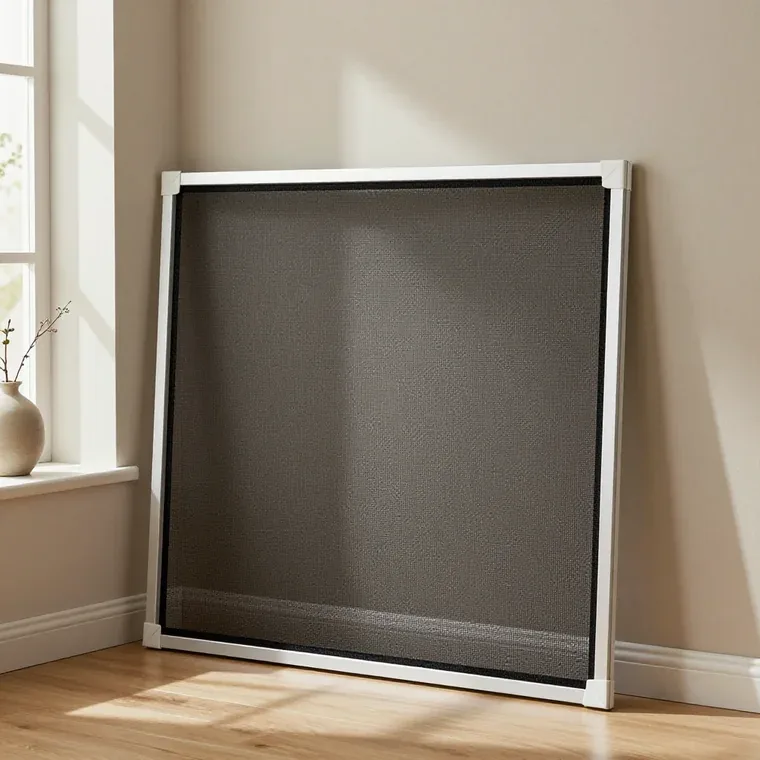
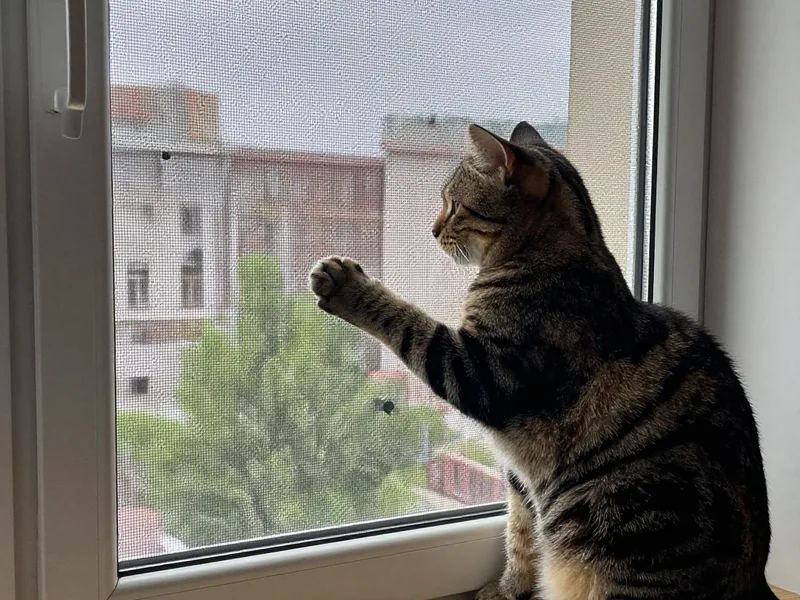
Anti-Cat
Vinyl threads are several times stronger than standard fabric and withstand the weight of a small pet. Price from 12 000 ₸ per m².
Standard
Fiberglass is resistant to fire and temperature changes, suitable for standard windows. Price from 12 000 ₸ per m².



5,097 reviews on review sites
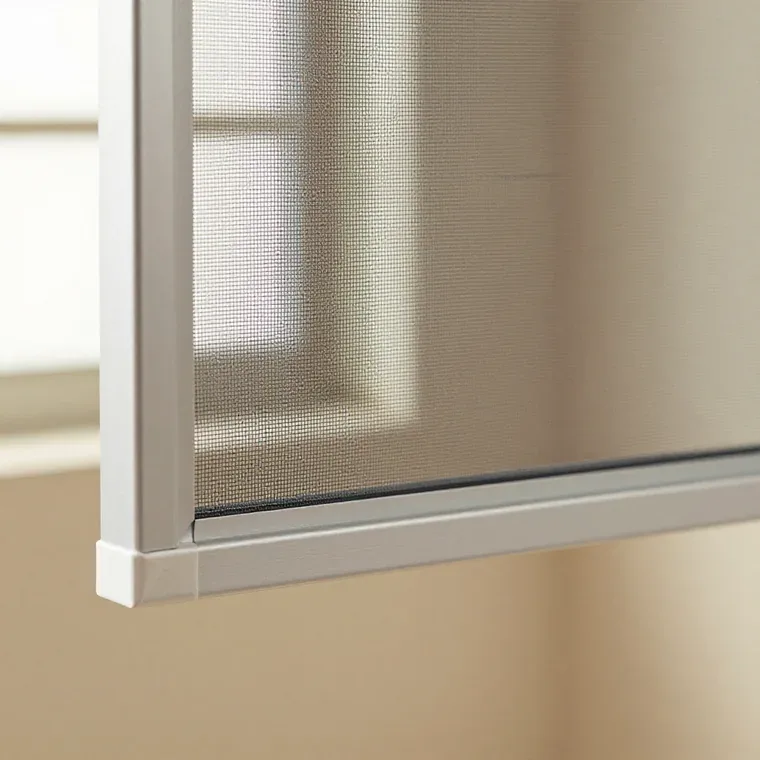
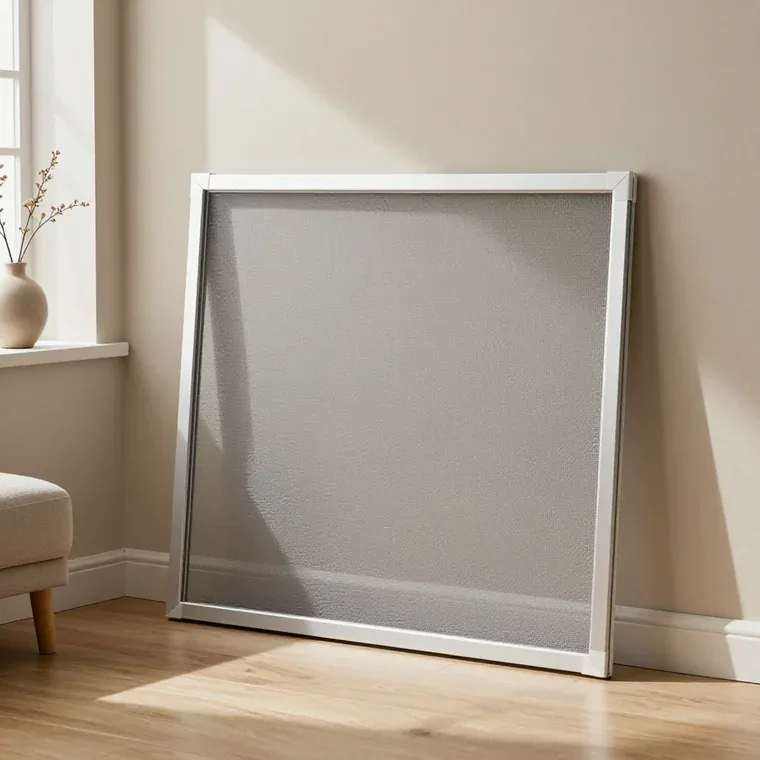
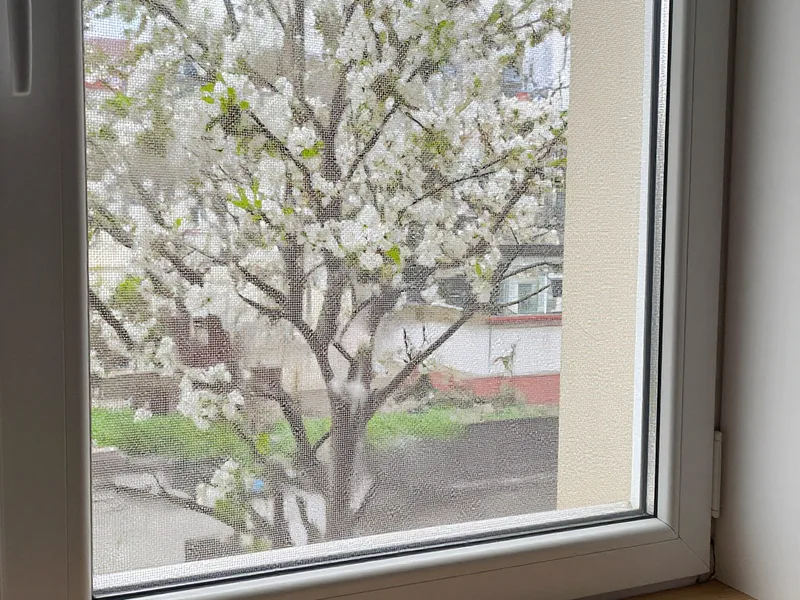
A framed structure made of aluminium profile with stretched Anti-Dust fabric: the profile holds its shape, the fabric is fixed in the frame around the perimeter.
The Anti-Dust screen is a frame made of aluminium profile with fine mesh fabric stretched over it. The fabric is fixed in the frame around the entire perimeter, so it doesn't sag and keeps even tension.
The company's range includes five fabrics: "Standard" (Fiberglass), "UltraVue", "Anti-Cat", "Anti-Dust" and "Anti-Pollen". We make a framed screen to your dimensions in 10–15 minutes, and the product comes with a 1-year warranty.
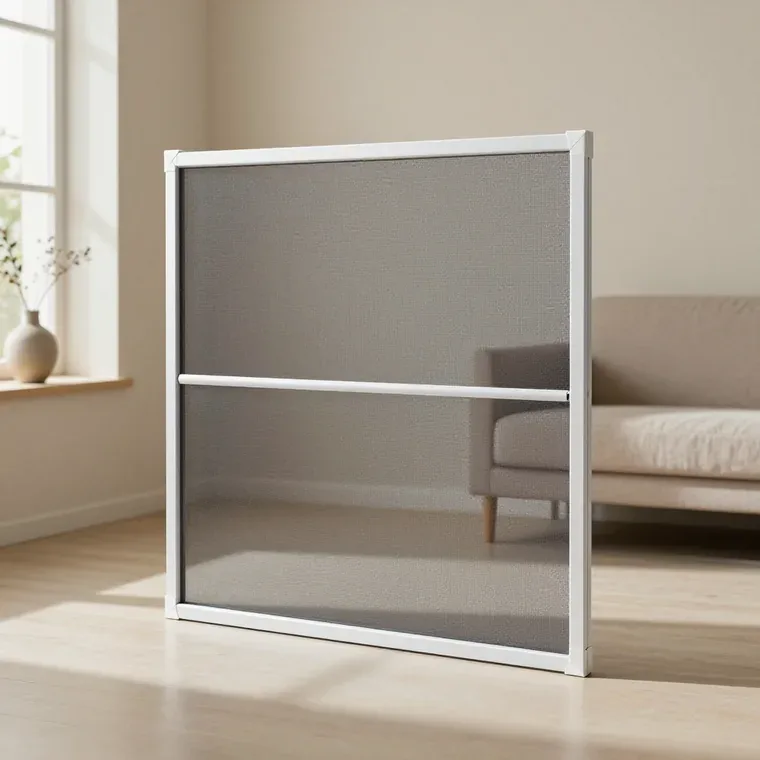
In the range: Anti-Dust, Anti-Pollen, UltraVue, Anti-Cat, Standard
Time needed to make a framed screen to your dimensions
Warranty on mosquito screens
The measurer selects the fixing for the window profile and floor: this determines how the screen holds and how it is removed.
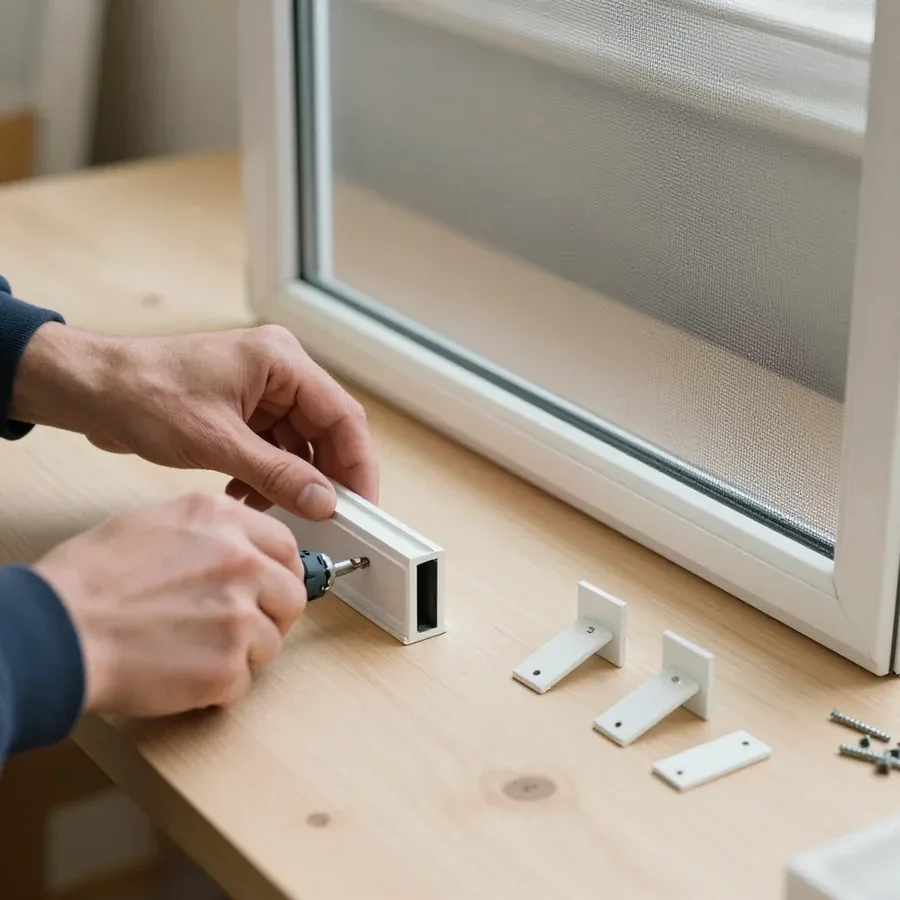
A classic option for plastic windows: the screen is fitted from outside and removed from inside in a minute.
Suitable for frames with matching holes, they fix the screen at the corners without protruding parts.
Hold the frame with a magnetic pair, convenient where you don't want to drill the profile.
If the screen has sagged or a fixing has broken, we replace the set of Z-brackets and repair the frame.
Framed, sliding, door and pleated screens. Our measurer will choose the right design for your opening free of charge.
Full price listPlastic, wooden and aluminium windows, vents, loggia, gazebo and veranda windows. The measurer chooses the fixing.
Balcony door: hinged, sliding or pleated screen
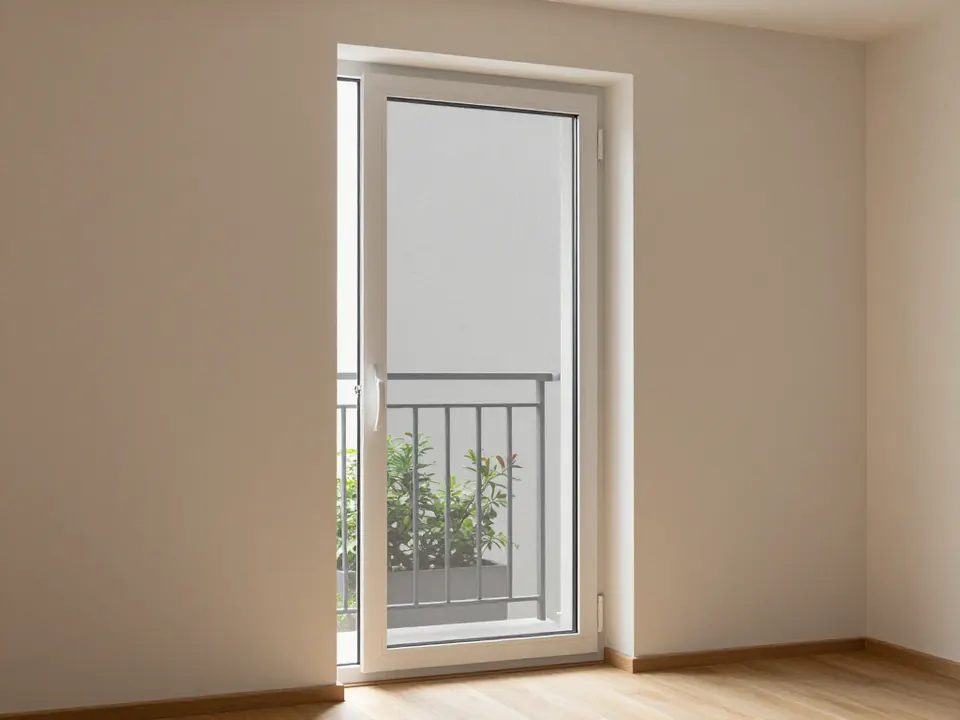
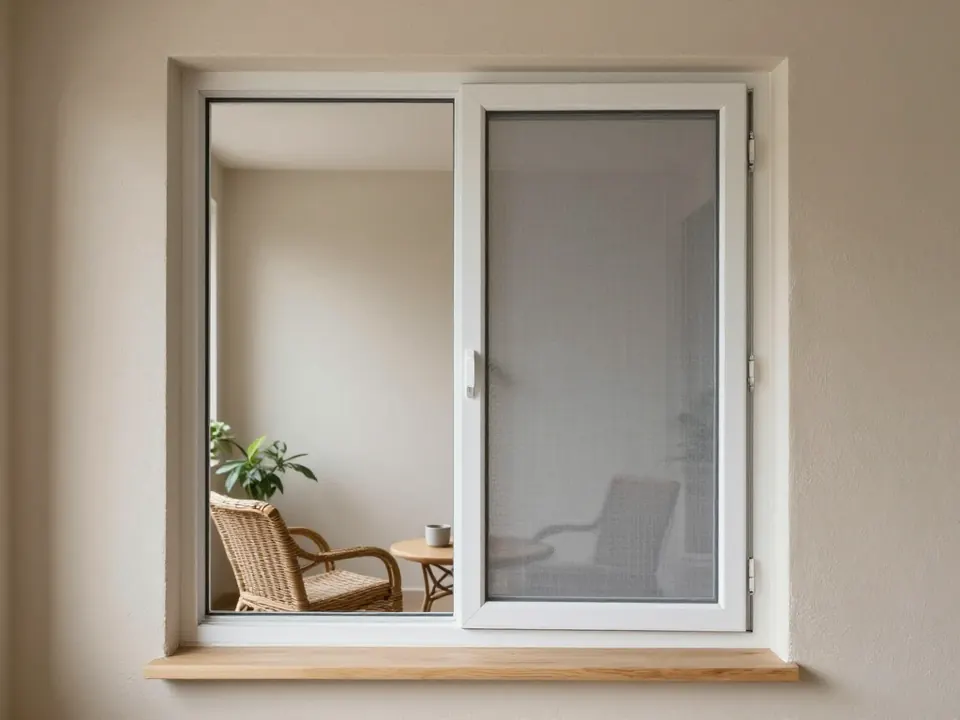
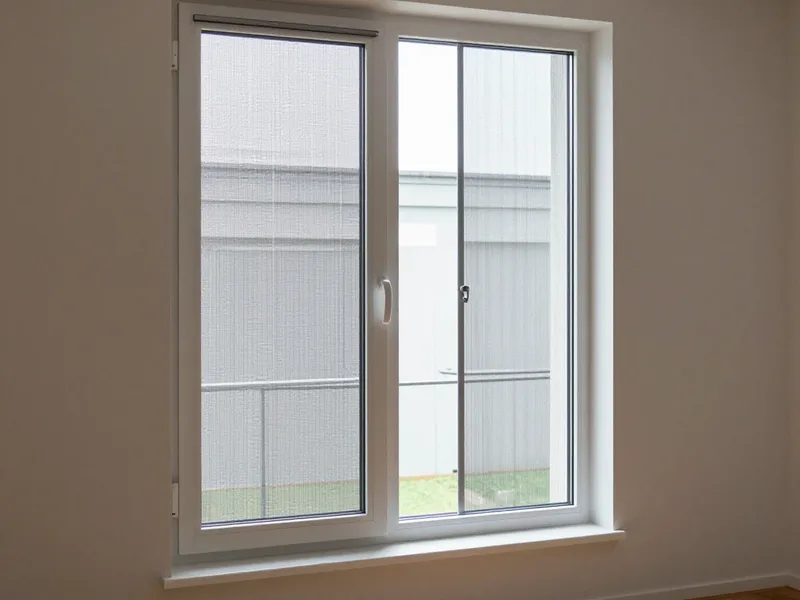
Framed screens for opening sashes
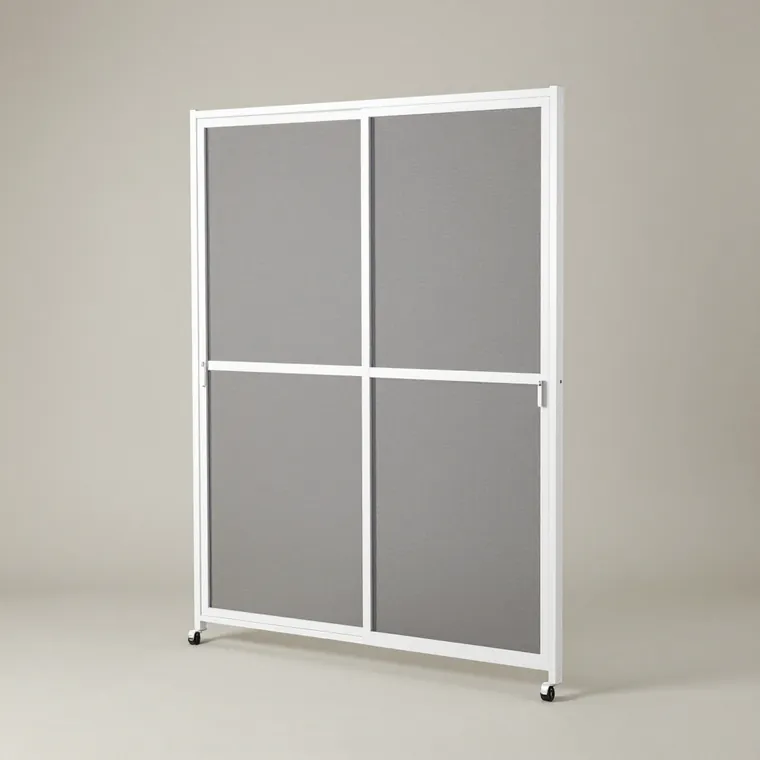
Wide openings: sliding and pleated screens
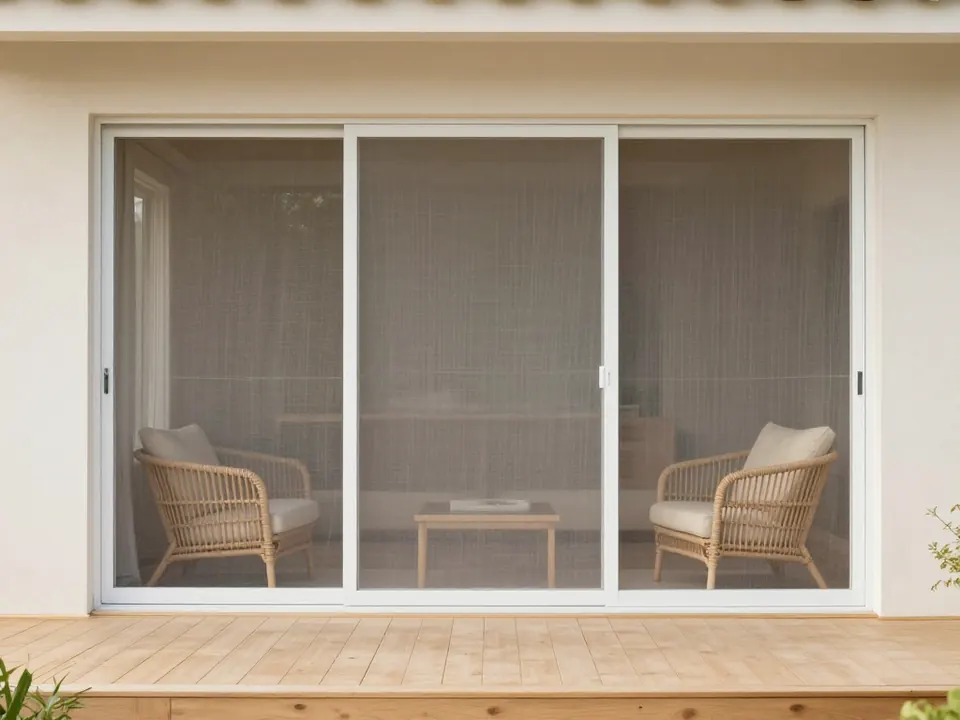
Large windows and doors to the terrace
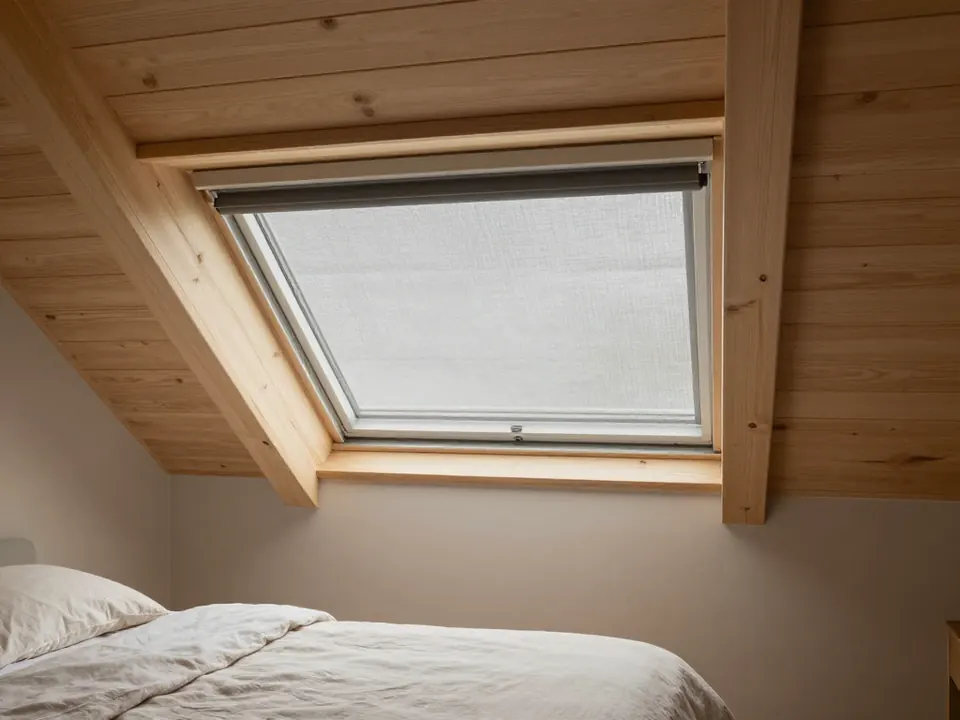
Sloped windows: the measurer chooses the fixing
Framed screen made to the exact size of the transom
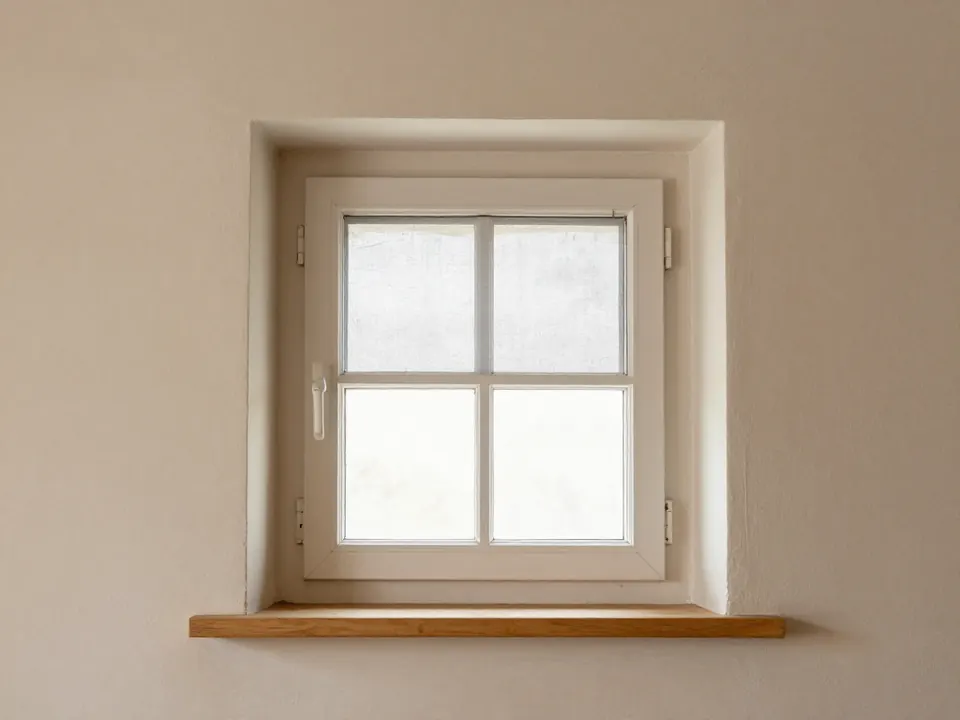
The price depends on the mesh area, frame type and fixings; the exact price is confirmed in the order after measuring.
| Screen type | Price | Fitting | Options and prices | |
|---|---|---|---|---|
| Anti-Dust meshfine mesh fabric | from 12 000₸ per m² | 1 600 ₸ | "Anti-Pollen" · 12 200 | |
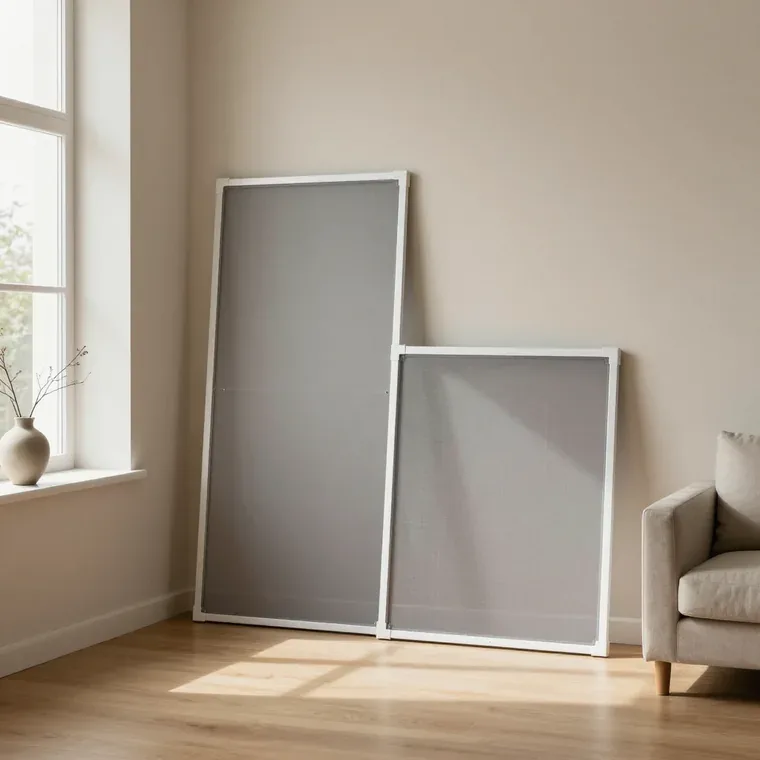
| Anti-Dust mesh, ready-madeready frame to your dimensions | from 14 500₸ per item | — | ||
| Frame re-meshing with Anti-Dust fabricreplacing the mesh in an existing frame | from 10 200₸ per job | — | ||
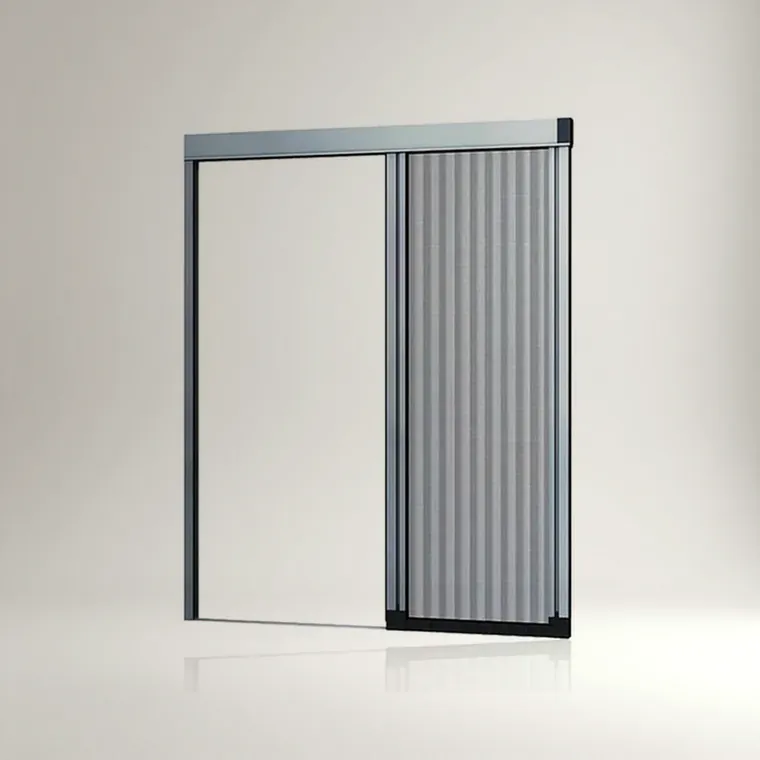 Pleated screen with Anti-Dust fabricfolding design | from 31 500₸ per m² | — | ||
| Roller mosquito screen with Anti-Dust fabriclift mechanism | from 30 000₸ per m² | — | ||
| Internal screen with reinforced fabricmounted from inside the room | from 18 500₸ per item | — | ||
| Replacement of fixings (Z-brackets)set for one screen | from 970₸ per set | — | ||
| Measuring visit if the order is cancelledfree measuring with an order | from 2 500₸ per job | — |
The price is confirmed in the order after measuringThe price is calculated by mesh area and fixing type
Calculate the priceEnter the window width and height, choose the fabric and fixing — the calculator will show an approximate price before measuring.
1. Screen type
2. Mesh and design
3. Opening size, cm
Our own mosquito screen production, free measuring and a product warranty.
Making mosquito screens since 2012
Warranty on mosquito screens
We make, deliver, install and repair screens ourselves, without intermediaries
We paint the profile to match your windows: white, brown, grey and others.
Measuring and consultation are free, the surveyor will come at a convenient time
We make a framed screen to your size in 10–15 minutes
Mosquito screens can be ordered in 17 cities of Kazakhstan
We reply on WhatsApp within 5 minutes
Four steps from request to a ready screen on your window.
You leave a request or message us on WhatsApp — we reply within 5 minutes and confirm the sizes.
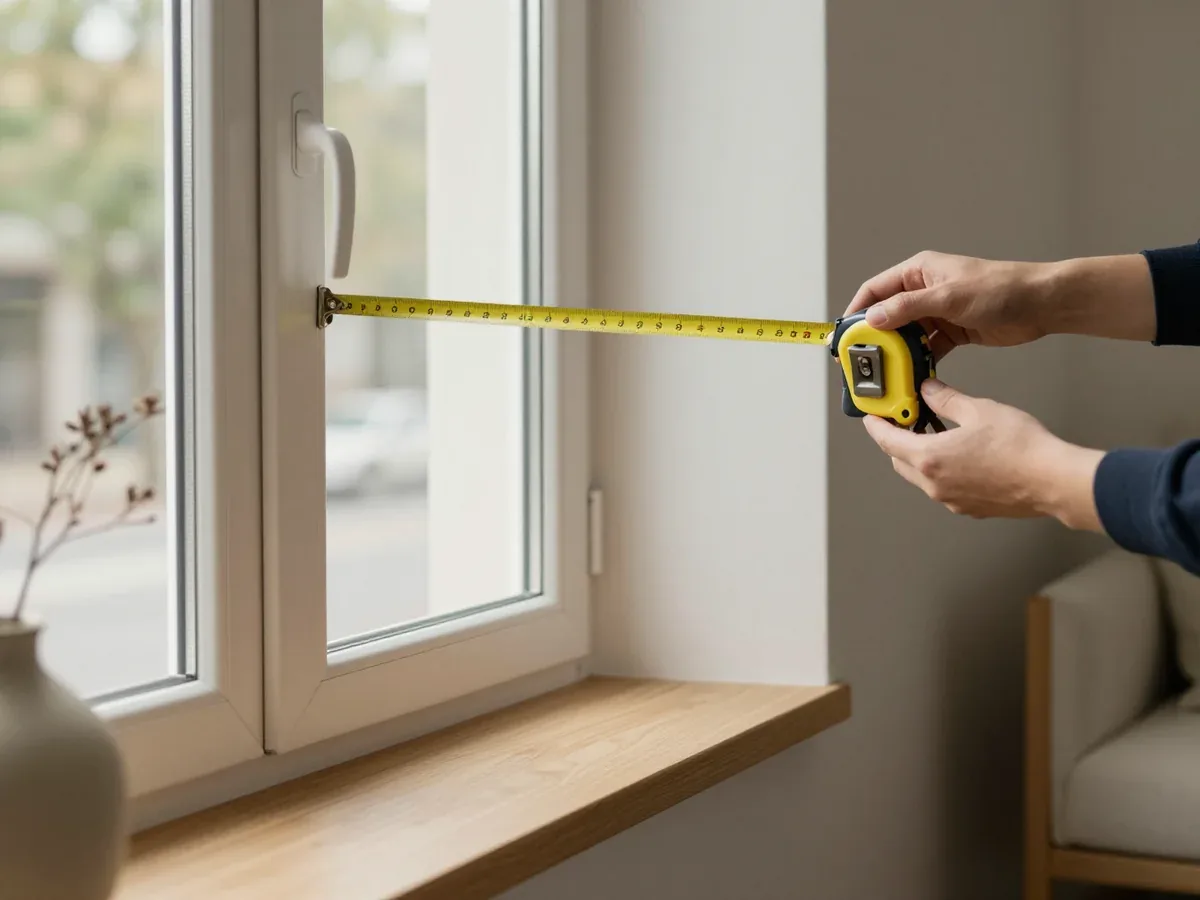
The surveyor takes the opening parameters: profile, sash size, opening side and floor, and helps choose the fabric and fixing.
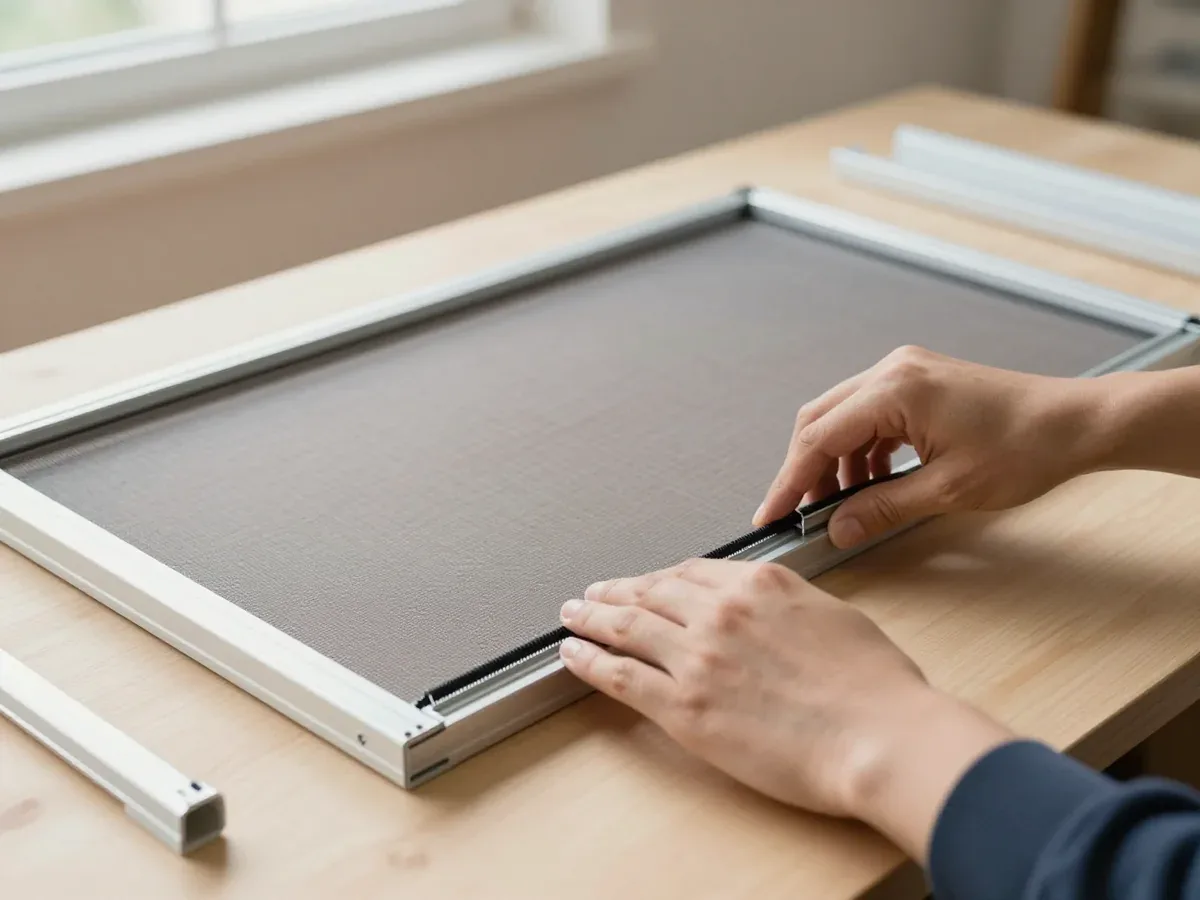
At our own production we assemble the aluminium frame, stretch the mesh and fit the fixings for your opening.
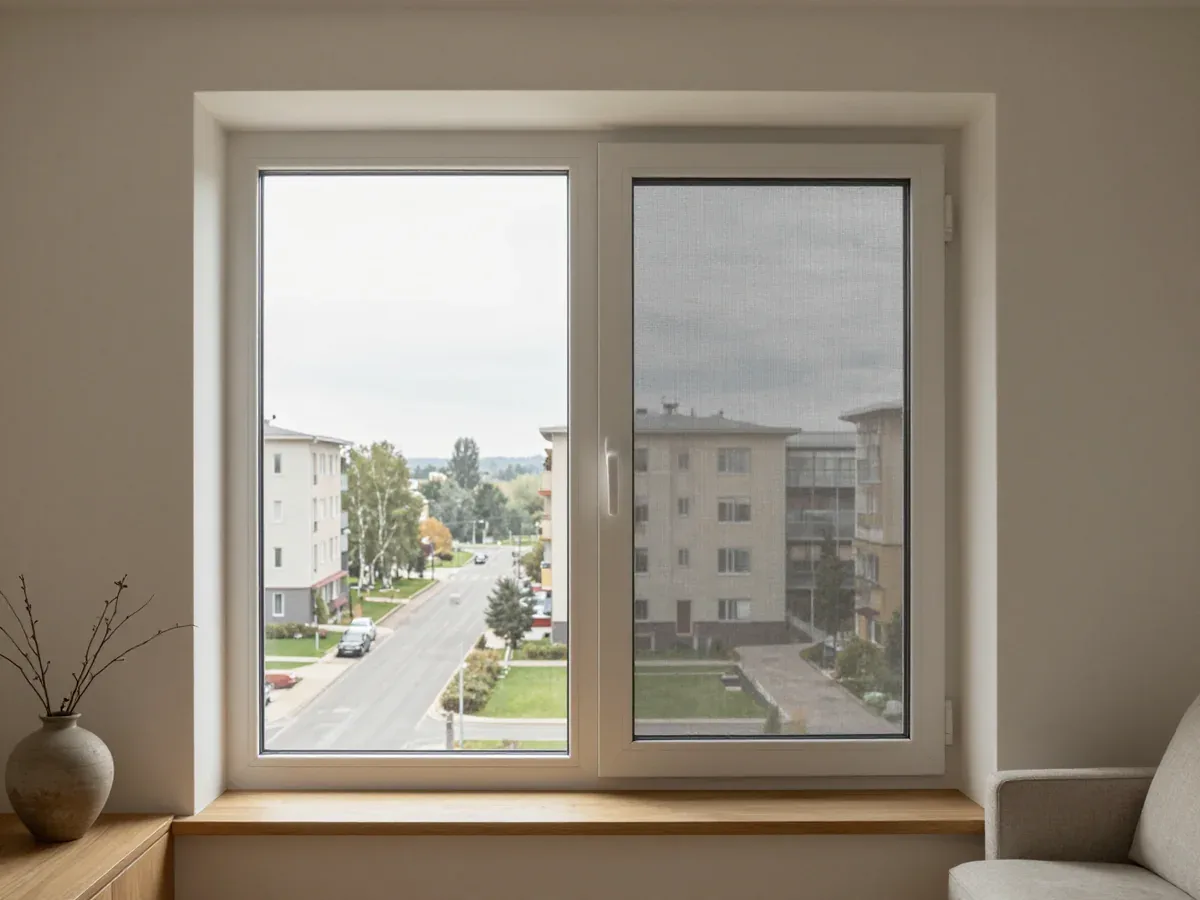
We install the screen on plastic, wooden and aluminium windows, vents, loggias and verandas.
Good to know

Senior mosquito screen specialist at moskitnyesetki.kz
We make anti-dust window screens kostanay residents order to their exact window size, using fine-mesh Anti-Dust fabric that holds back street dust and small midges. We measure for free, pick the fixing for your window profile and floor, fit the screen and let you pay after installation, with a 1-year warranty on every screen.
Anti-Dust is not a marketing name for a standard panel — the weave is tighter, and that changes what reaches your room on a dusty street.
Our tightest fabric traps street grit and small midges, Anti-Pollen (Poll-Tex) goes finer with a 0.25×1 mm cell for the flowering season, and Standard fiberglass handles the basics. All three sit on the same frame and differ mainly in thread spacing, so the choice comes down to what floats in the air outside. On a ground floor by a busy road, the dense weave catches particles that a Standard panel passes straight through, and it also holds back the tiny midges that gather near standing water in late summer. Poll-Tex pushes the idea further: its cell is fine enough for plant pollen, which is far smaller than an insect. Pick by the smallest particle that bothers you — grit and midges point to the dense option, pollen points to Anti-Pollen, and buying both rarely pays off.
A tighter weave cuts a little more daylight than an open one, but our UltraVue fabric lets in 25% more light and air than other meshes, so a fine panel does not have to mean a dim room. Thread thickness and cell size decide the trade-off: a dense weave catches more particles and narrows the gaps between threads, while UltraVue is built to keep those gaps open without losing strength. In practice the drop in daylight from a clean panel of this type is small enough that most rooms stay bright through the day, and airflow through an open window is barely reduced. On a hot afternoon in Kostanay the breeze matters more than the shade — keep the fabric clean and the gap between types stays small, while a clogged panel of any kind blocks the air.
The most common mistake with any screen is a size that almost fits, so we build anti-dust window screens from a measurement taken at your window rather than from a shop shelf.
Measuring and consultation are free, and the measurer comes at a time that suits you, takes the sizes and helps choose the design, mesh and fixings, so the screen is built for your opening rather than trimmed to fit. A ready-made panel follows a standard grid, and openings in Kostanay rarely match it: plastic, wooden and aluminium frames differ in rebate depth and sill profile even inside one block. The measurer notes the profile, the floor and the opening direction, then sets the frame width so the fabric sits flat against the seal. A ready-made item leaves gaps at the frame edges where dust slips past — exactly the gap a fine weave is meant to close. This is why we make anti-dust window screens Kostanay residents order from us only after an on-site measurement.
| Screen type | Best for | Making time | Opens how |
|---|---|---|---|
| Framed | Standard windows, vents | 10-15 minutes | Lifts out from inside |
| Pleated | Balcony and patio doors | 40-60 minutes | Folds to the side |
| Sliding | Sliding balcony doors | To order | Slides on a track |
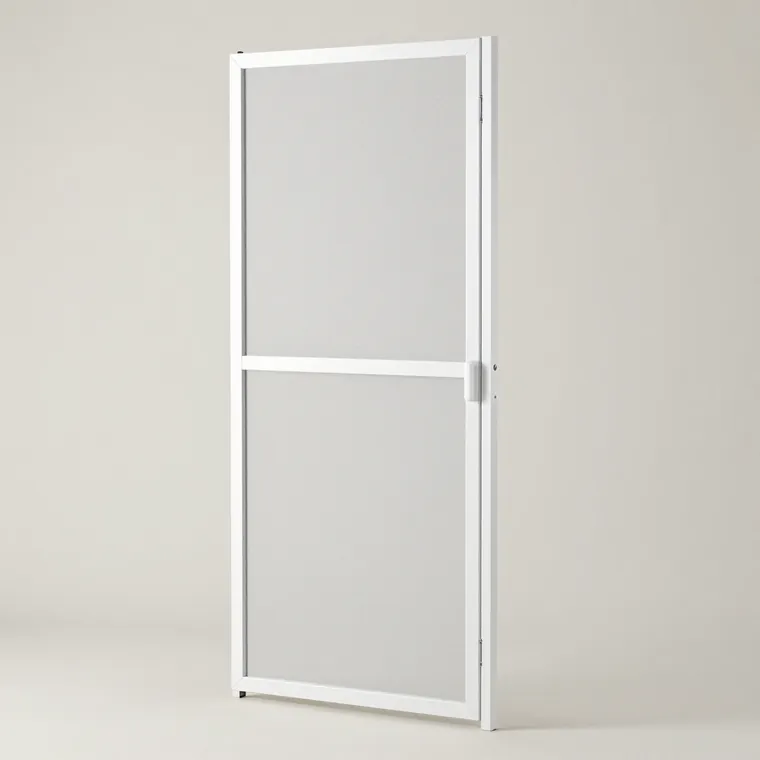
| Hinged door | Entrance and balcony doors | To order | Swings on hinges |
A screen is only as good as the fixing that holds it, and the right one depends on your window profile and how high you live.
The measurer picks the fixing to match your window profile and floor, choosing between Z-shaped brackets, pins (plungers) or magnets, so the unit sits tight without drilling into the sash. A Z-bracket hooks over the edge and holds under tension, which is why it is the usual choice on tall blocks where gusts push hard against the fabric. Plungers sit in small sockets and suit profiles with a narrow bead, while magnets let you lift the whole thing away in one motion on a vent you open every day. On an upper floor the wind load is higher, so a bracket that grips the edge usually beats a magnet there, while a magnet stays handy on a casement you air often.
A framed unit lifts out from inside in about a minute, and taking it off for winter is the simplest way to keep the fine mesh from collecting grit and ice over the cold months. The frame unclips from its brackets or pins without tools, so you can carry it to a dry room before the first hard frost. Store it flat rather than leaning it on a corner, because a bent frame is what usually stops the product seating properly again in spring, not the fabric itself. Wipe the weave with a soft brush before storage so dust does not settle in, then lay it on a shelf or behind a wardrobe where nothing presses on the corners.
A dusty street does not care what your window is made of, so the mesh has to suit plastic, wood and aluminium frames as well as the doors and openings around them.
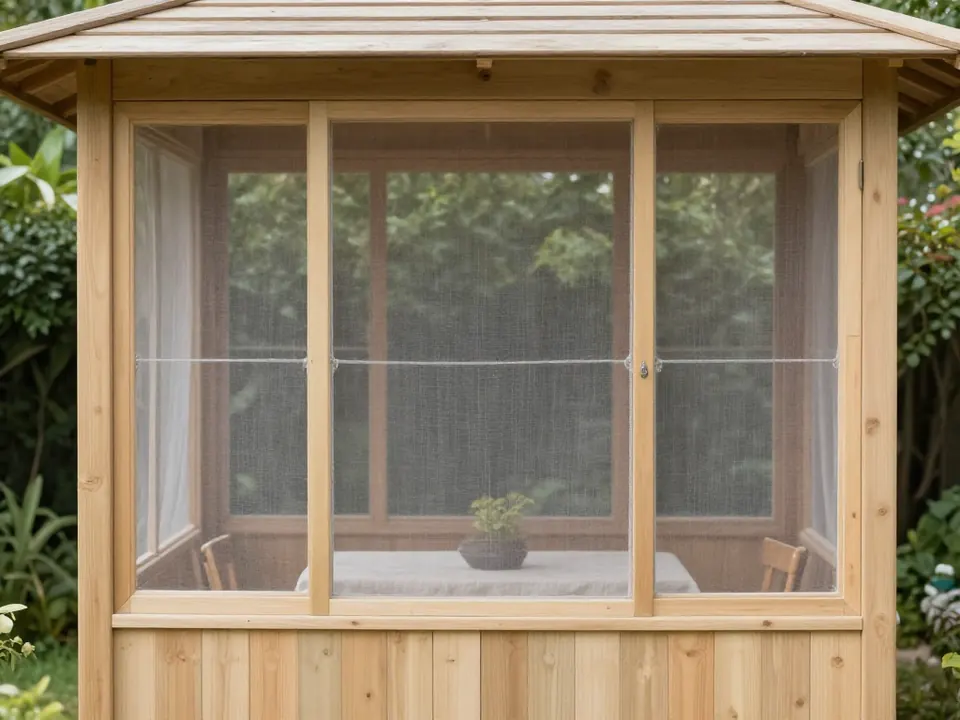
We fit protective mesh on plastic, wooden and aluminium windows, vents, loggia glazing, and the openings of gazebos and verandas, so a fine fabric is not limited to a single sash type. That covers hinged casements, small top vents opening outwards, and the wide panes of a loggia or covered terrace where dust settles fastest. Wooden and aluminium frames often have a different edge profile from plastic, which is why the fixing is chosen on site rather than assumed from the material alone. On older wooden units the sash edge can be uneven after years of repainting, so the measurer checks the actual gap before recommending a bracket. If a veranda opening has no frame at all, we discuss a framed version fixed to the posts instead of the sash.
A fine weave asks for a little care to keep working, and knowing how to clean it and what the warranty covers takes the worry out of the choice.
Wash a fine weave with a soft brush and lukewarm water rather than a hard jet, because the close structure traps dust well but a strong spray can push grit deeper into the threads. A soft brush moves along the fabric, lifts the grey film off the surface and lets the panel dry clear fast. Skip washing-up liquid with abrasives and never scrub with a stiff brush, since both fray the thin threads of such a sheet. For everyday dust, a vacuum on the lowest setting with a soft upholstery head is enough and takes under a minute per window. Clean the panel from the room side first, since pushing dust back out the way it came keeps it from being driven into the weave, and a sheet cleaned this way stays see-through longer.
Every screen carries a 1-year warranty, we repair them and replace fixings, and you pay after installation by cash, card or Kaspi, with the price fixed in the order after measuring. Our team works seven days a week and replies on WhatsApp within 5 minutes, so a torn sheet or a loose bracket does not wait long for an answer. We deliver and fit these products on windows and doors, repair the fabric and swap fastenings, and a framed unit made to your size takes 10–15 minutes to assemble, a pleated one 40–60 minutes. A small tear near the frame is often a fixing problem rather than a fabric one, which is why checking the bracket before replacing the whole panel saves the mesh.
A fine mesh repays a careful choice, and the practical points below are what separate a screen that works from one that merely fits the frame.
Installation on a balcony door, fixings and wind, air and allergies
Konstantin Selenenkovsenior mosquito screen specialist, 10 years in the tradeOnline · replies within 5 minutes
Ask a questionYes, we fit "Anti-Dust" to balcony doors too: the framed structure opens together with the door and doesn't block the passage. The measurer will choose fixings to match the door profile so the mesh stays secure.
On upper floors, Z-shaped brackets are more reliable: they hold the frame firmly in strong gusts. Plungers and magnets also work, but the measurer will choose the option based on your window profile and height.
Air passes through the fine mesh, but a little more slowly than through a standard mesh, and in a living room this is usually unnoticeable. If the window is almost always closed, tell the measurer — we'll find a balance between dust protection and ventilation.
For pollen allergies, people more often choose "Anti-Pollen" with a 0.25×1 mm mesh: it traps finer particles. "Anti-Dust" is better against outdoor dust and midges, so the choice depends on what the person reacts to.
A framed screen can be removed from inside in a minute, and it's best to take it down for the winter. Store it in a dry place, standing the frame upright or hanging it, so the mesh doesn't get creased.
We both repair and replace: if a fixing has fallen out, we install new brackets or plungers, and a torn mesh is re-stretched onto the same frame. The technician will determine what's needed in your case on site.
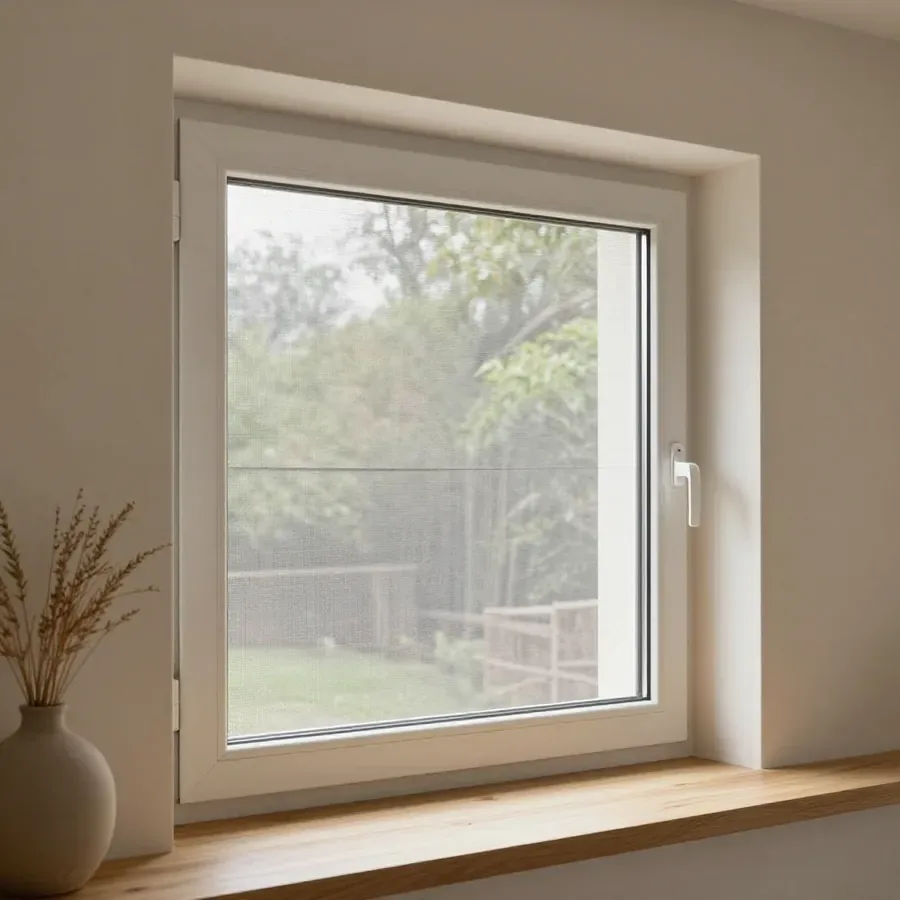 Care
A frame screen comes off in a minute: we show how not to bend the frame or lose the fixings.
April 15, 20268 min read
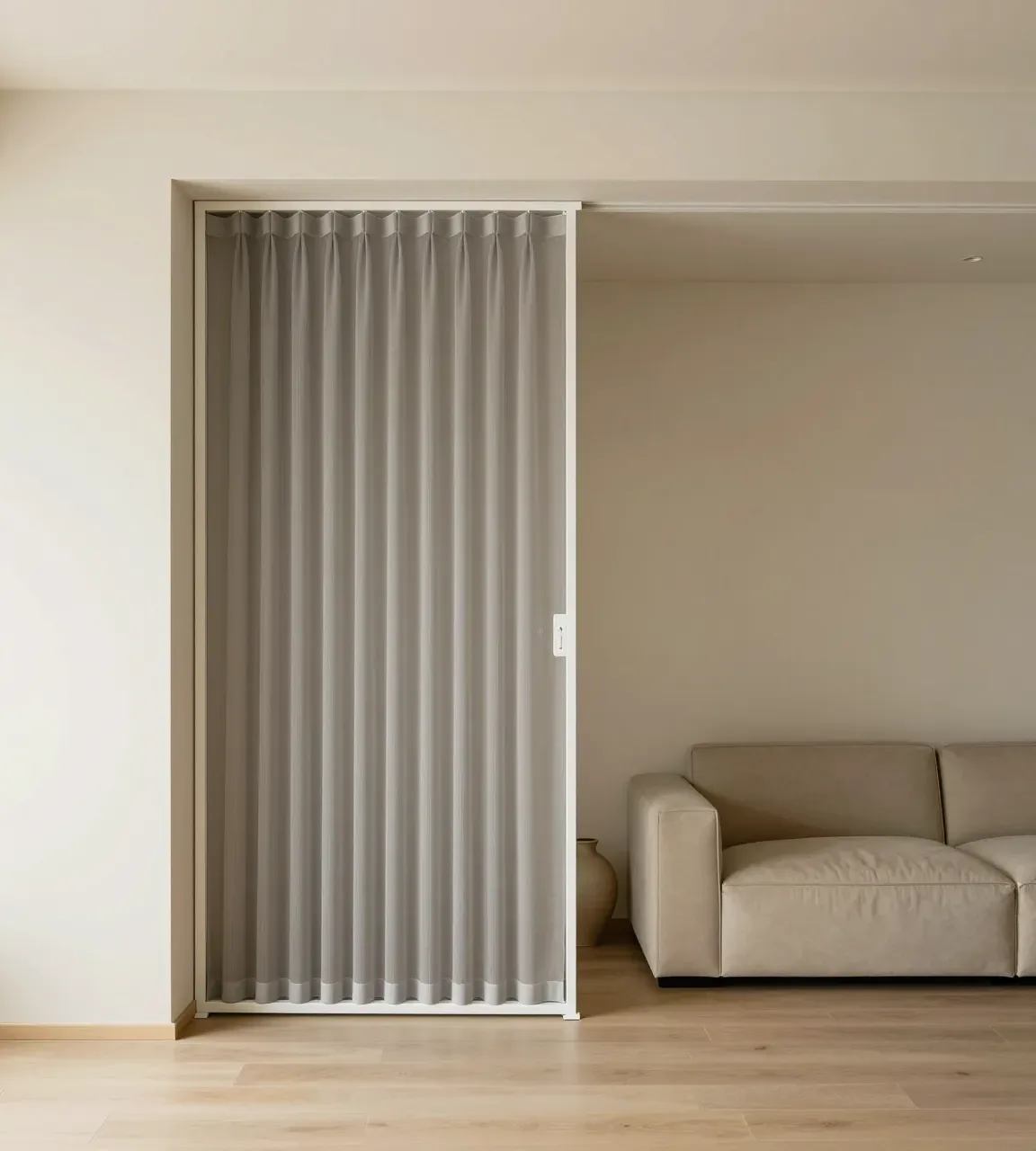 Choosing
We compare the price, lead time and how each screen performs on a door that you walk through every day.
March 2, 20268 min read
 Mesh types
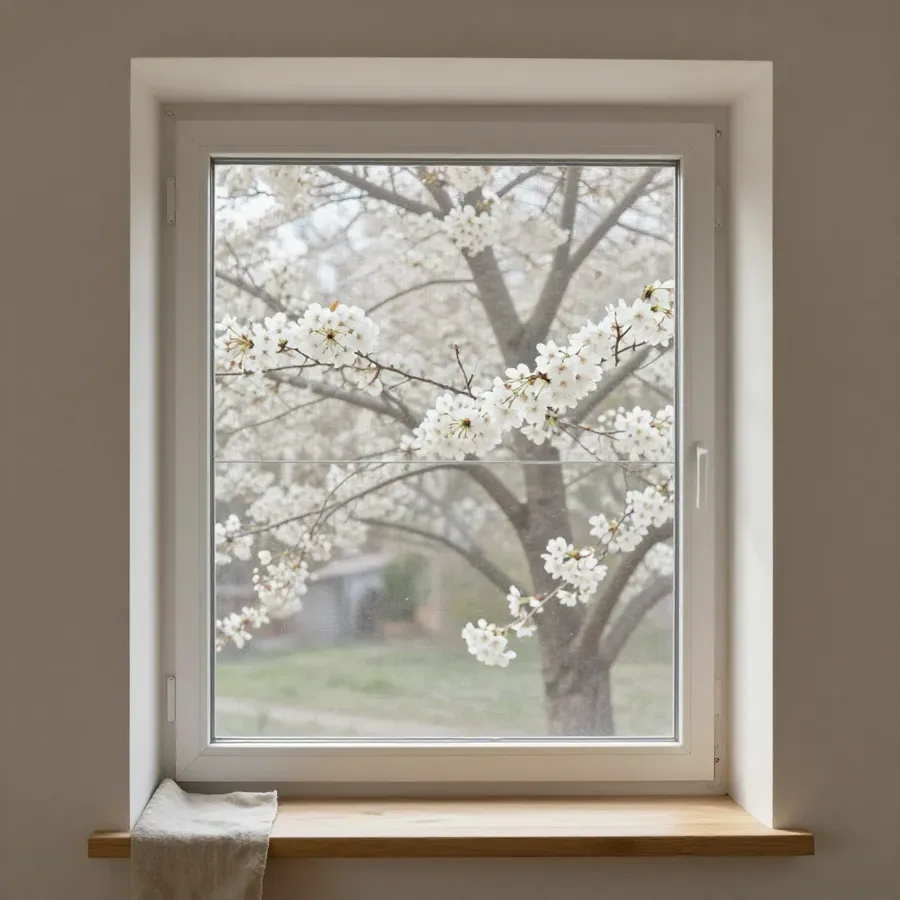
How Poll-Tex mesh with a 0.25×1 mm cell works and who it helps in pollen season.
February 17, 20268 min read
 Prices
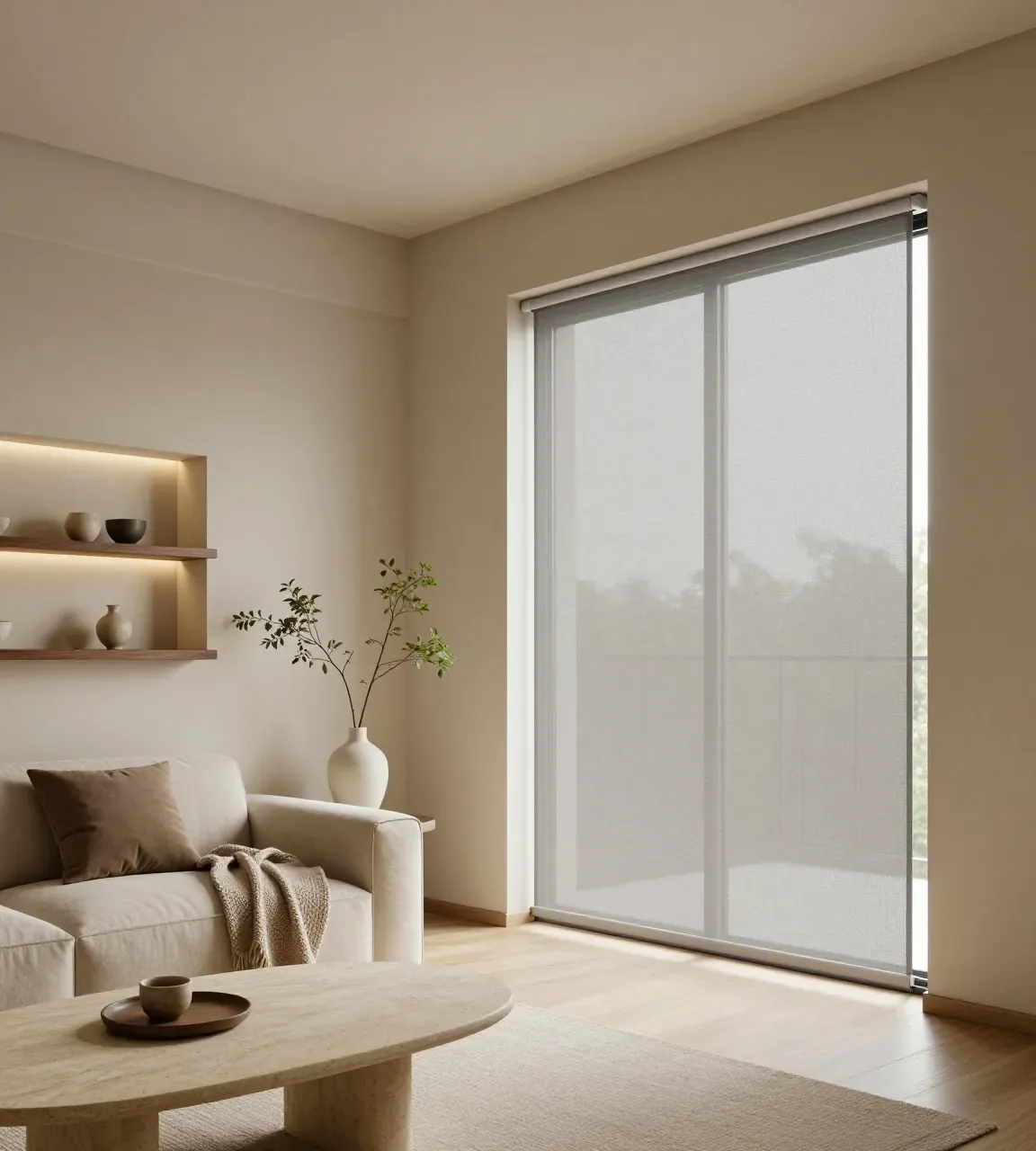
Price list breakdown: frame screen from 2 000 ₸ per m², installation 1 750 ₸, pleated from 28 000 ₸. Costing a 70×140 cm window.
February 1, 20268 min read
 Repair
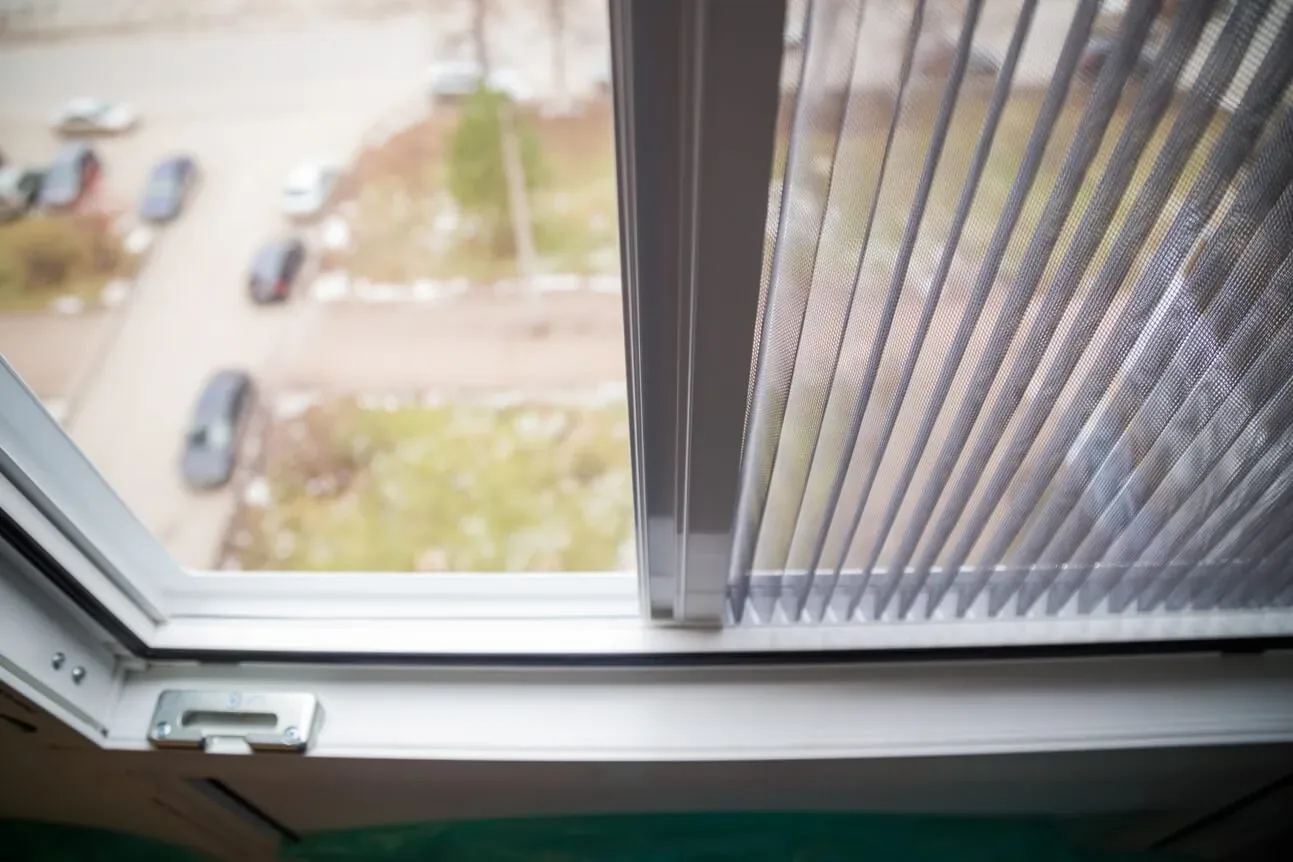
Worn fixings, a wrong measurement, wind on high floors. A set of fixings costs 290 ₸, installation 871 ₸.
January 14, 20268 min read
 Choosing
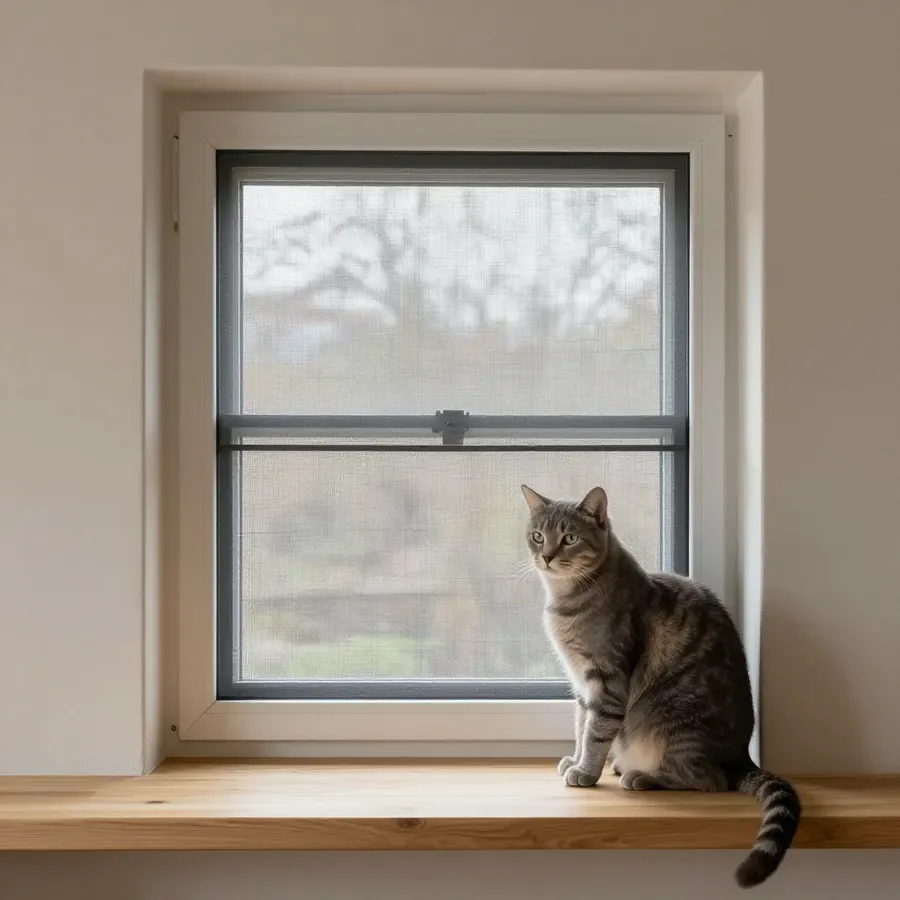
Anti-Cat mesh on vinyl threads, the fixings and what to do about gaps around the window opening.
December 23, 20258 min read
 Mesh types
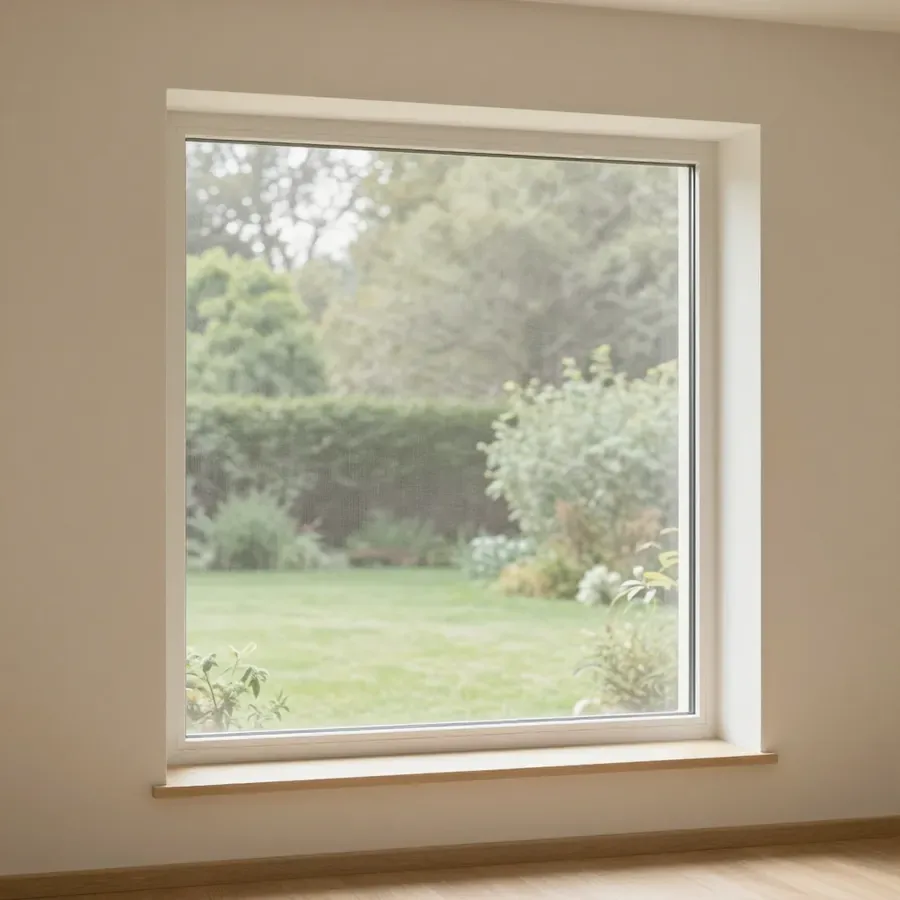
The mesh lets in 25% more light and air. Where the difference shows and where paying extra is not worth it.
December 11, 20258 min read
 Choosing
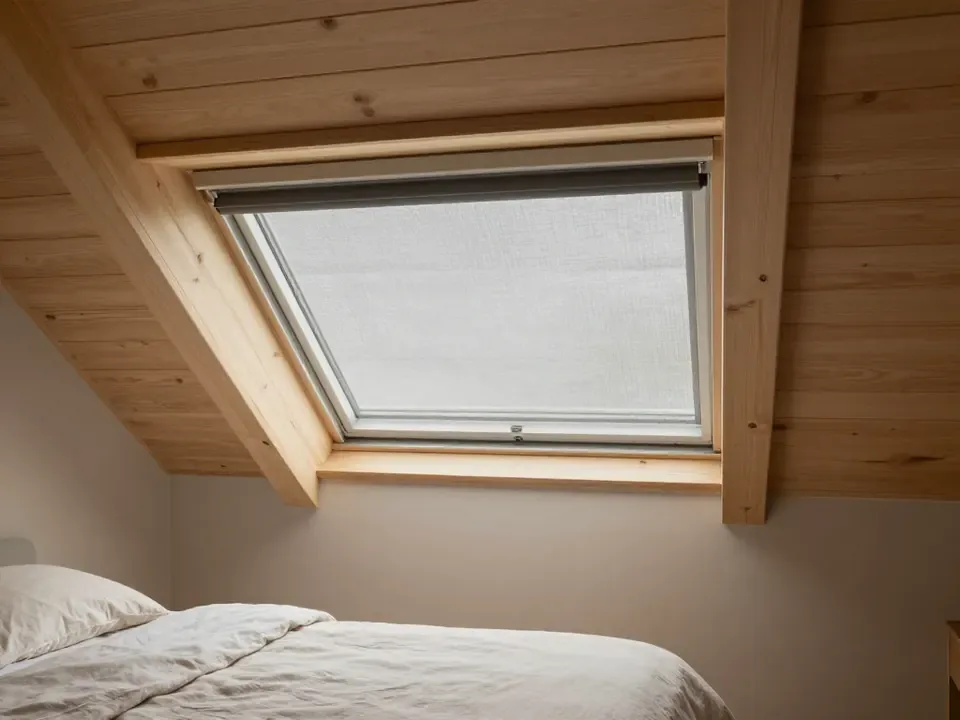
A tilted sash, outward opening and a roller screen at 15 000 ₸ per m²: what will suit your window.
November 21, 20258 min read
 Mesh types
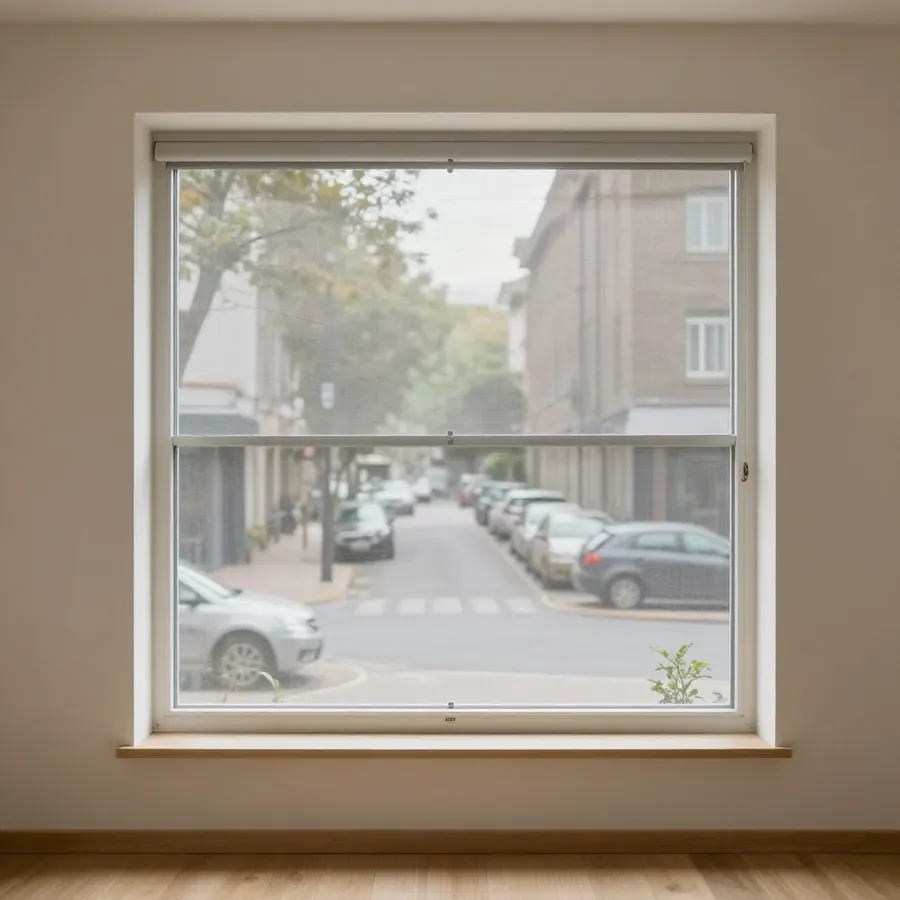
The mesh stops coarse and fine dust along with mosquitoes. When it is worth the price of 8 500 ₸ per m².
October 20, 20258 min read
Thank you. We will call you back within 10 minutes!
Your order number is on the receipt or in the SMS. Choose where to leave your review.
Write a review on WhatsApp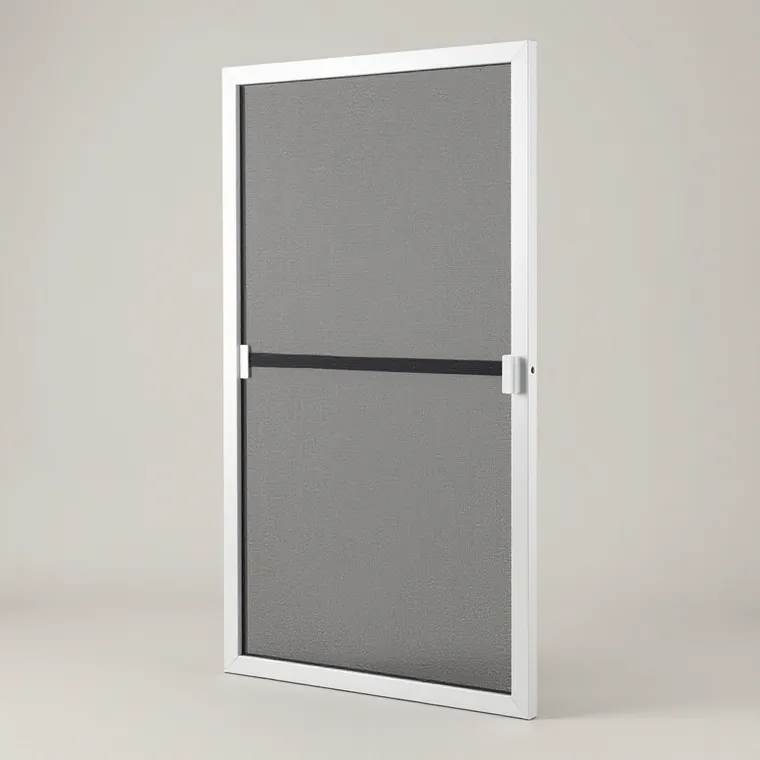
 Metal mesh
 Anti-Cat
 Anti-Pollen
 Ready-made screens
