
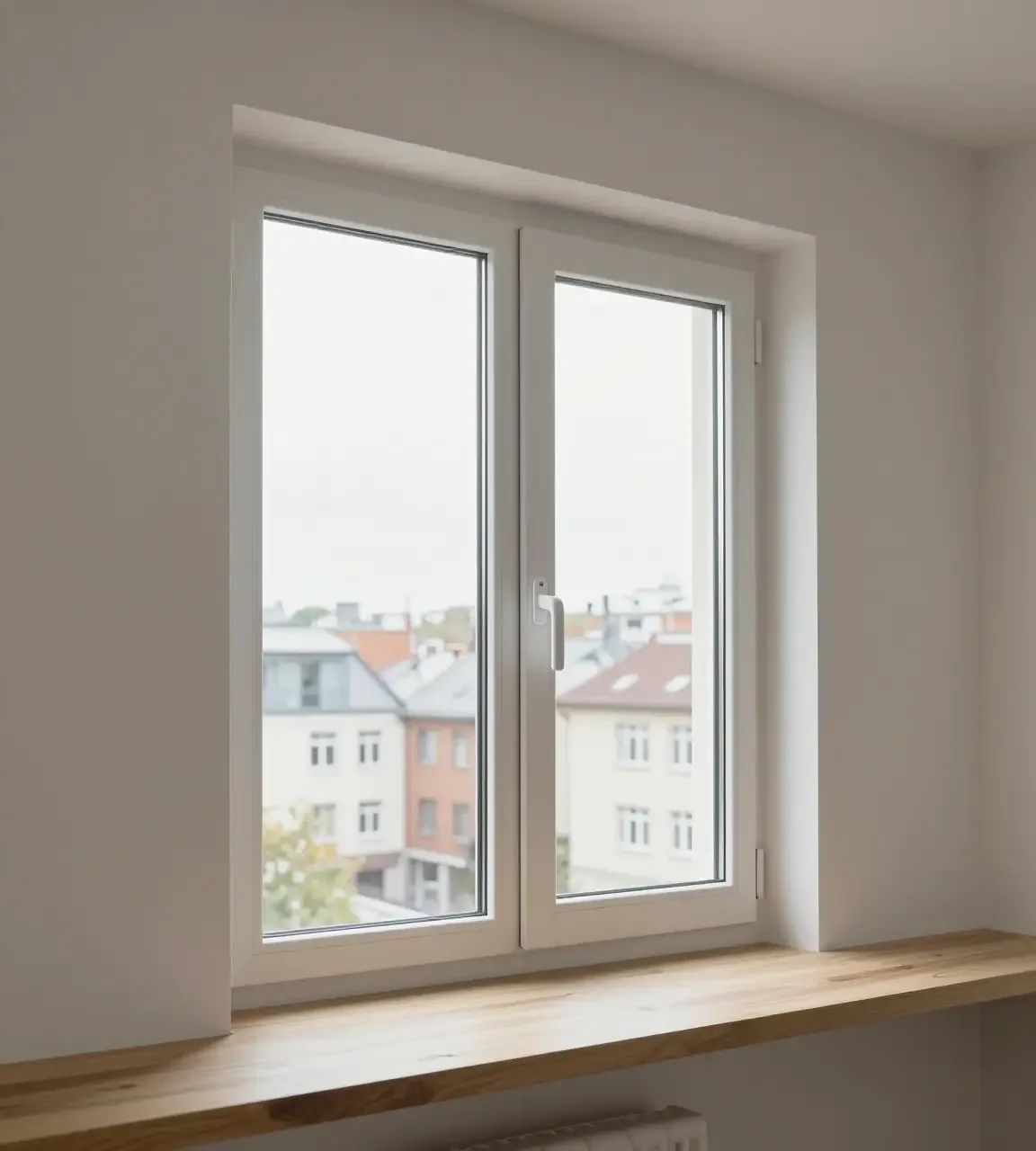
Casement sash · replacement
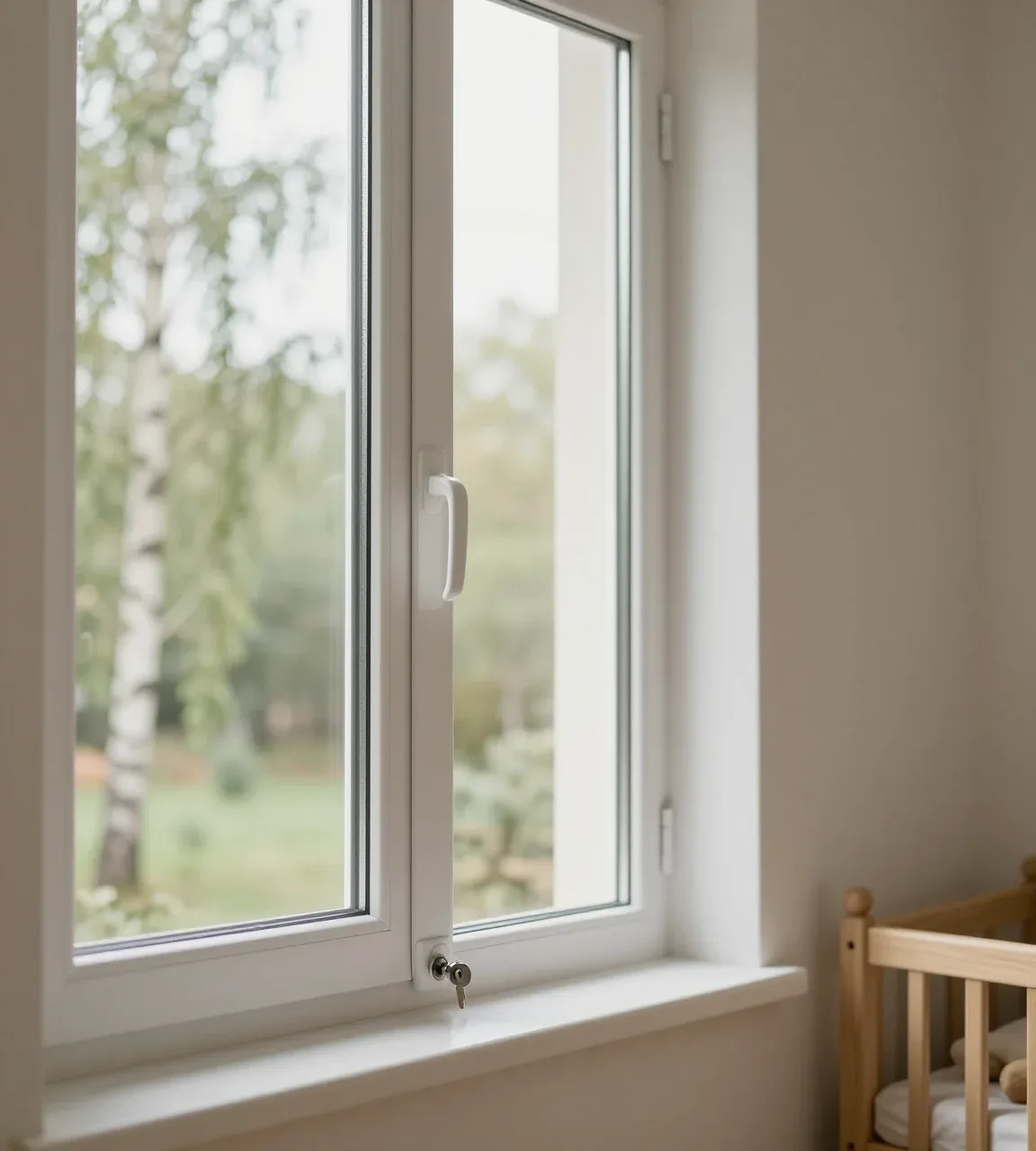
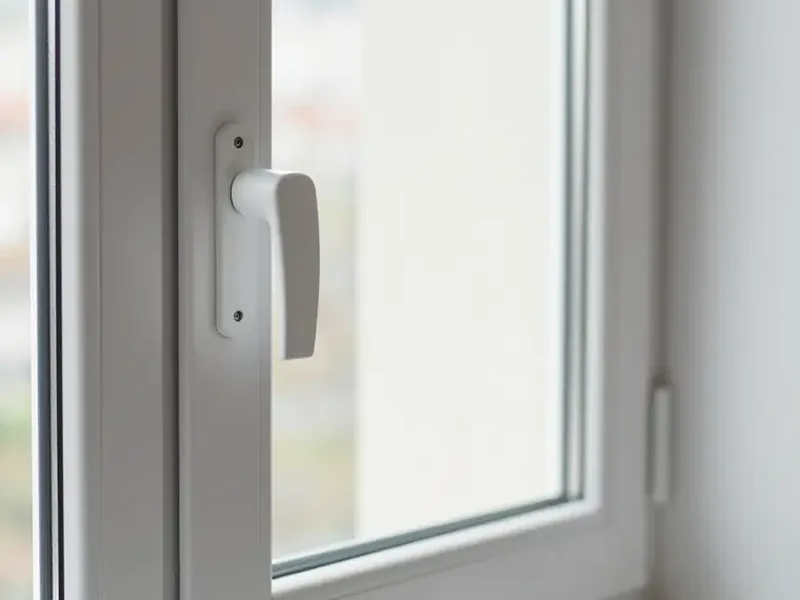
Key handle
Replaces the standard handle; the sash can only be opened with a key. Price from 3 650 ₸ per item.


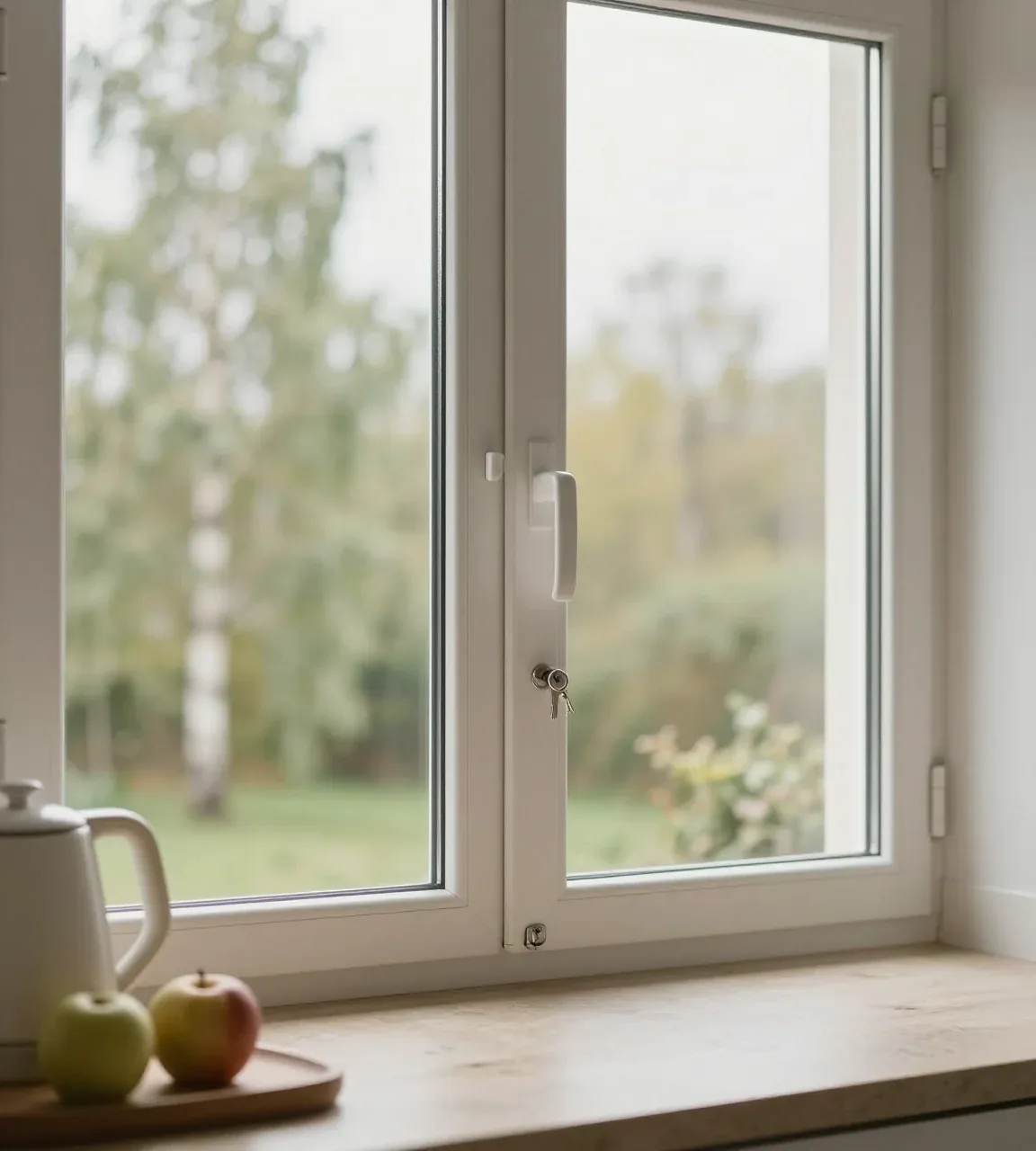
Key handle
Replaces the standard handle; the sash can only be opened with a key. Price from 3 650 ₸ per item.
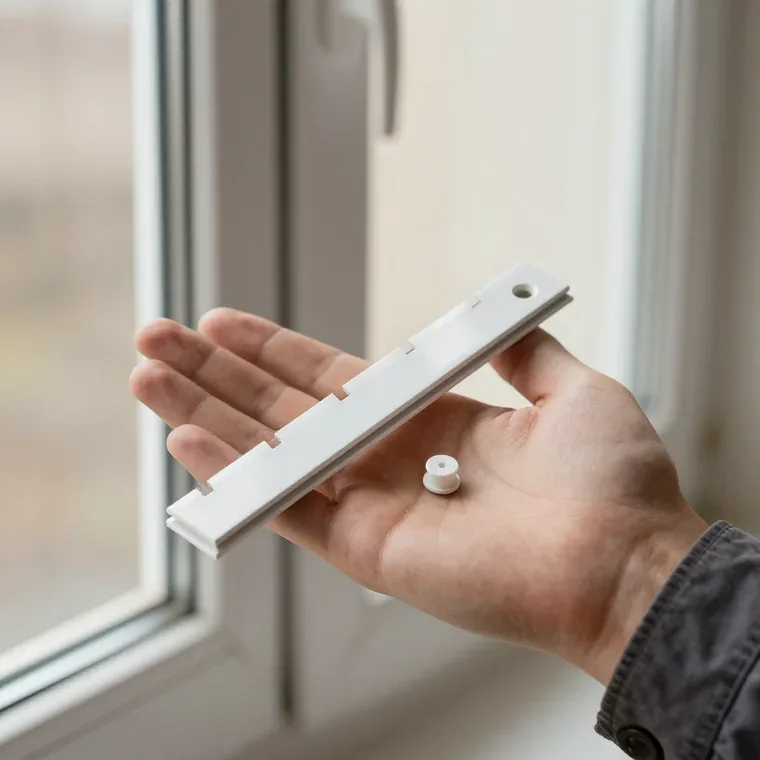
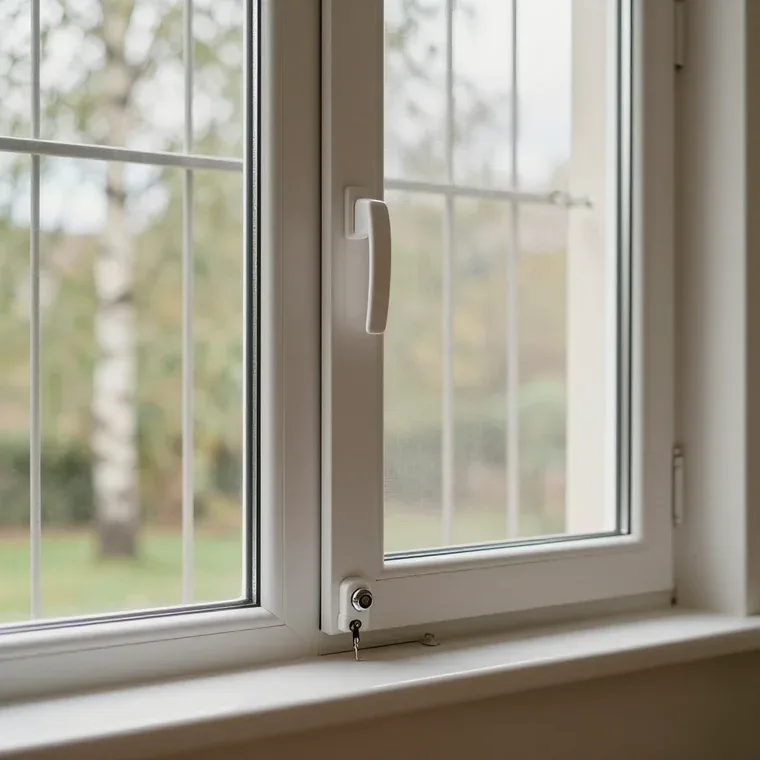
Comb limiter
Fixes the sash in several positions for ventilation. Price from 1 050 ₸ per item.
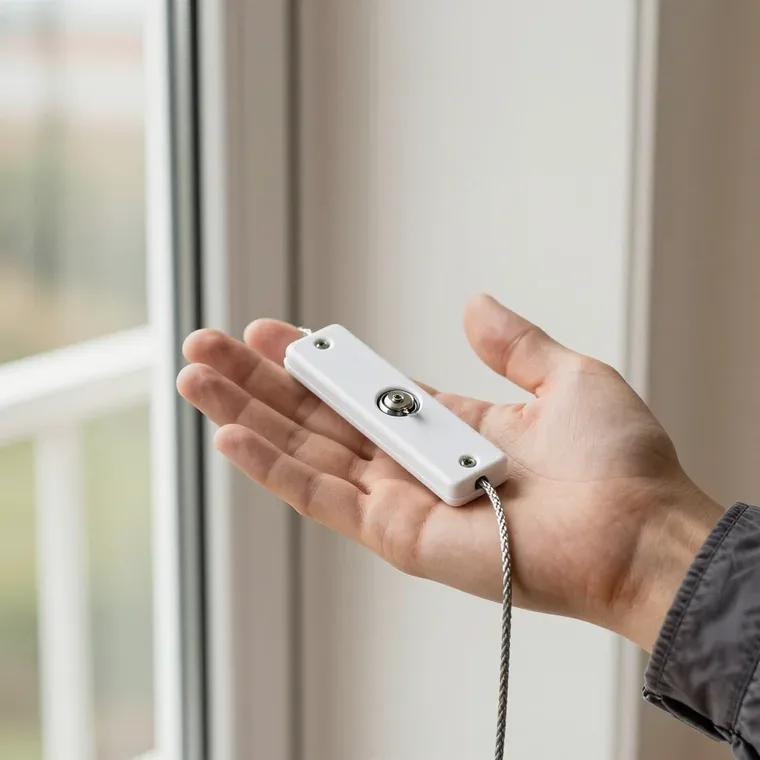
Cable limiter
Limits sash opening to a set angle; the lock blocks the cable. Price from 2 500 ₸ per item.
Sash blocker
Prevents a child from sliding the sash of a sliding window or door. Price from 1 200 ₸ per item.

Transparent grille
Withstands the load if a child leans on the mosquito screen. Price from 22 000 ₸ per item.




5,097 reviews on review sites
Mechanical blockers and barrier structures: a lock on the handle, a sash travel limiter, a blocker for sliding windows and a grille for the opening.
Child window protection is a combination of a mechanical lock on the handle or sash and a limiter that prevents opening the window wider than a safe angle. For sliding windows and balcony doors, a sash blocker is used.
If a child can lean on the mosquito screen, a barrier is added: a transparent or child safety grille for the opening. This structure takes the load and keeps the child from falling out.
cost of a comb limiter with installation
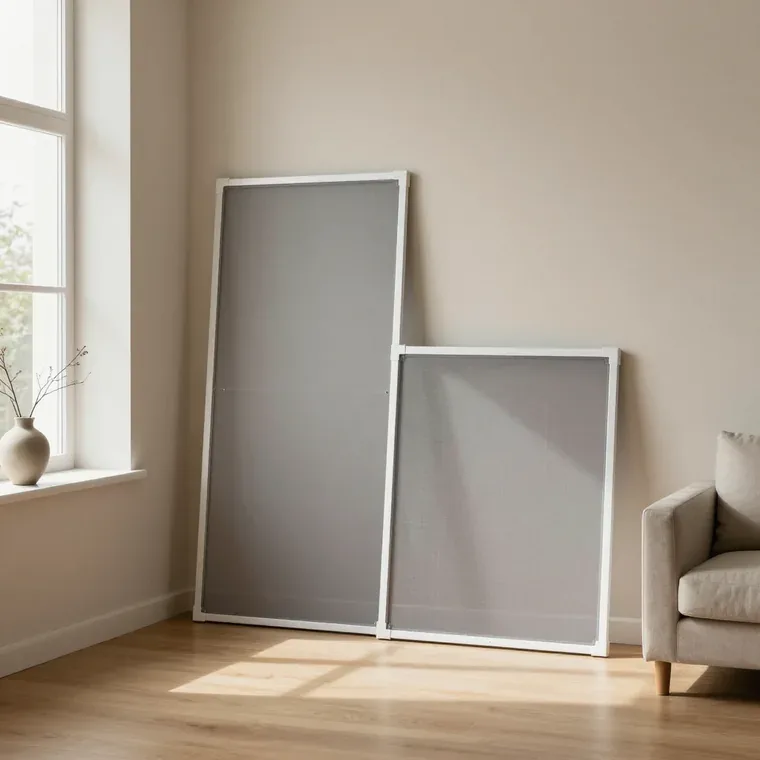
production of a framed screen to your dimensions
on-site measuring and consultation with a technician
The fixing is chosen to match the window profile and floor: from surface-mounted locks without drilling to cable limiters and grilles for the opening.
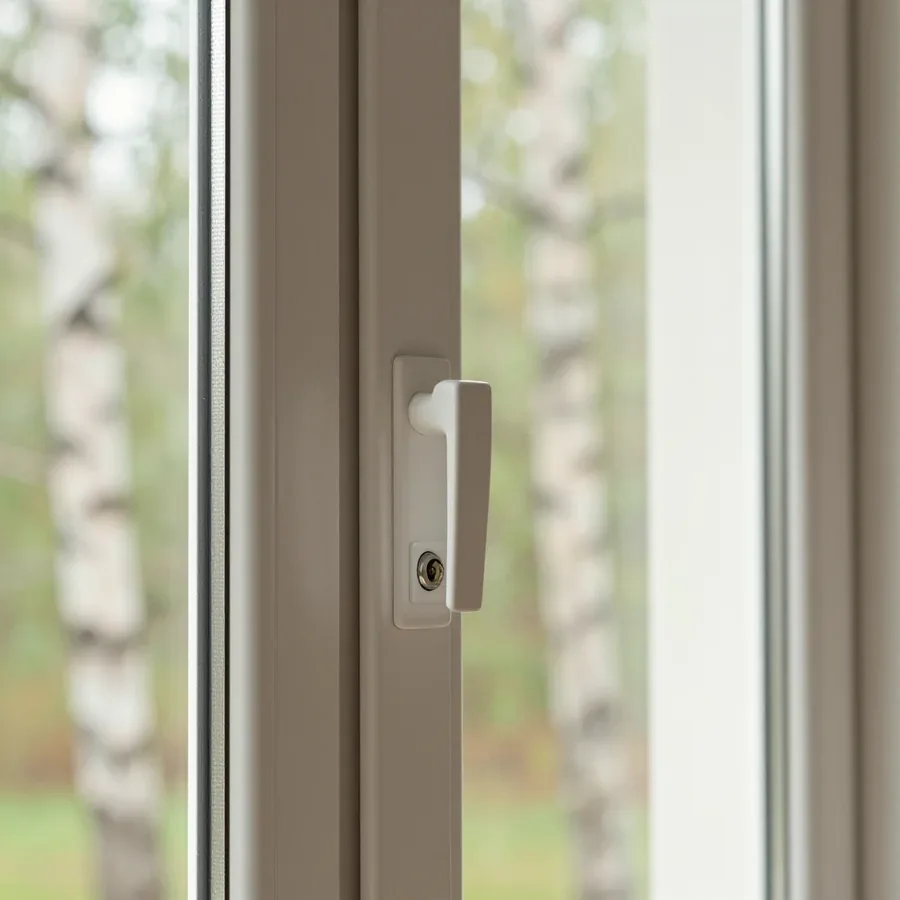
Surface-mounted models are attached to the sash without through holes in the profile, which is important for rented apartments.
The lock is placed on the sash; the key handle replaces the standard hardware and blocks turning.
The cable secures the sash at a set opening angle, and the lock holds the cable in the required position.
A transparent or child safety grille is fixed to the opening and takes the load when someone leans against it.
Five protection options with prices from: keyed handle, comb limiter, cable limiter with lock, sash blocker and transparent grille.
Replaces the standard handle
The sash can only be opened with a key; a child cannot turn the handle from the windowsill.
Ventilation lock
The sash is fixed in several positions, allowing ventilation without opening the window wide.
With lock
Limits the sash opening angle; the lock prevents removing the cable without a key.
For sliding windows and doors
Prevents the sash of a sliding window or balcony door from sliding.
Barrier for the opening
Withstands load when leaning on the mosquito screen and does not obstruct the view.
Devices and installation work: the price is fixed in the order after measurement, payment after installation.
| Type of item | Price |
|---|---|
| Window handle with keyreplaces the standard handle | from 3 650₸ per item |
| Comb limiter with installationfixes the sash for ventilation | from 1 050₸ per item |
| Cable limiter with locklimits sash opening | from 2 500₸ per item |
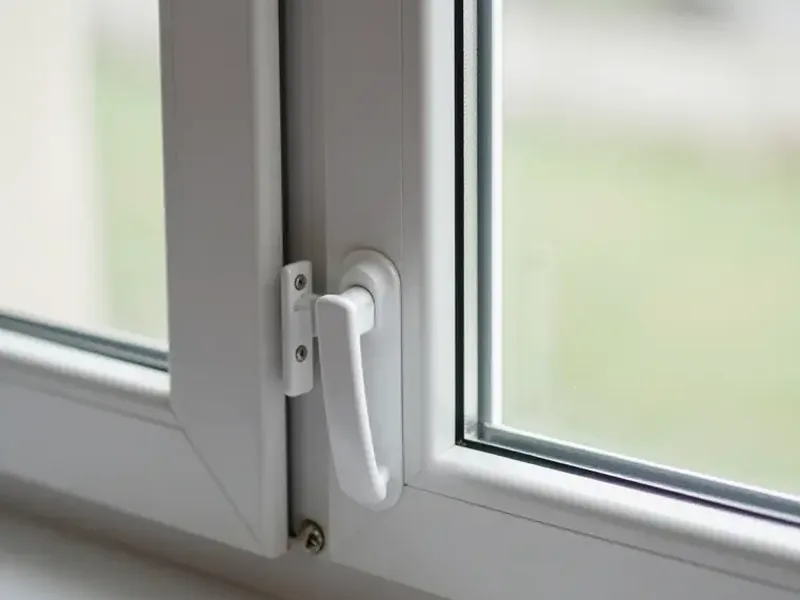
| Penkid lock with cablesurface-mounted lock on the sash | from 2 150₸ per item |
| Sash blockerfor sliding windows and doors | from 1 200₸ per item |
| Installation of blocker or child lockmounting on the window profile | from 2 750₸ per item |
| Surface-mounted child window lockflag model | from 3 250₸ per item |
| Transparent polycarbonate grillebarrier for the opening | from 26 000₸ per m² |
| Transparent window grilleready kit for the sash | from 22 000₸ per item |
| Child safety window grilleprevents leaning | from 12 500₸ per item |
| Grille with mosquito screentwo in one | from 19 800₸ per m² |
| "Anti-Cat" screen as window protectiondurable mesh | from 13 000₸ per item |
| Child window protection turnkeykit for one window | from 6 000₸ per window |
Price is fixed in the order after measurementFinal price depends on the number of sashes and type of devicePayment after installation: cash, card or Kaspi
Order window protectionOwn production of mosquito screens, free measuring, installation and warranty on work.
Cash, card or Kaspi.
Warranty on window installation — 5 years, on window repair — 1 year for work and components.
For work and replaced components.
The measurer will come at a convenient time, take dimensions and help choose the design.
We work without days off and reply on WhatsApp within 5 minutes.
The price is fixed after measuring.
We reply within 5 minutes.
You can order in 17 cities of Kazakhstan.
From request to checking the protection on the window.
You leave a request or write on WhatsApp — we clarify the task and select a suitable device.
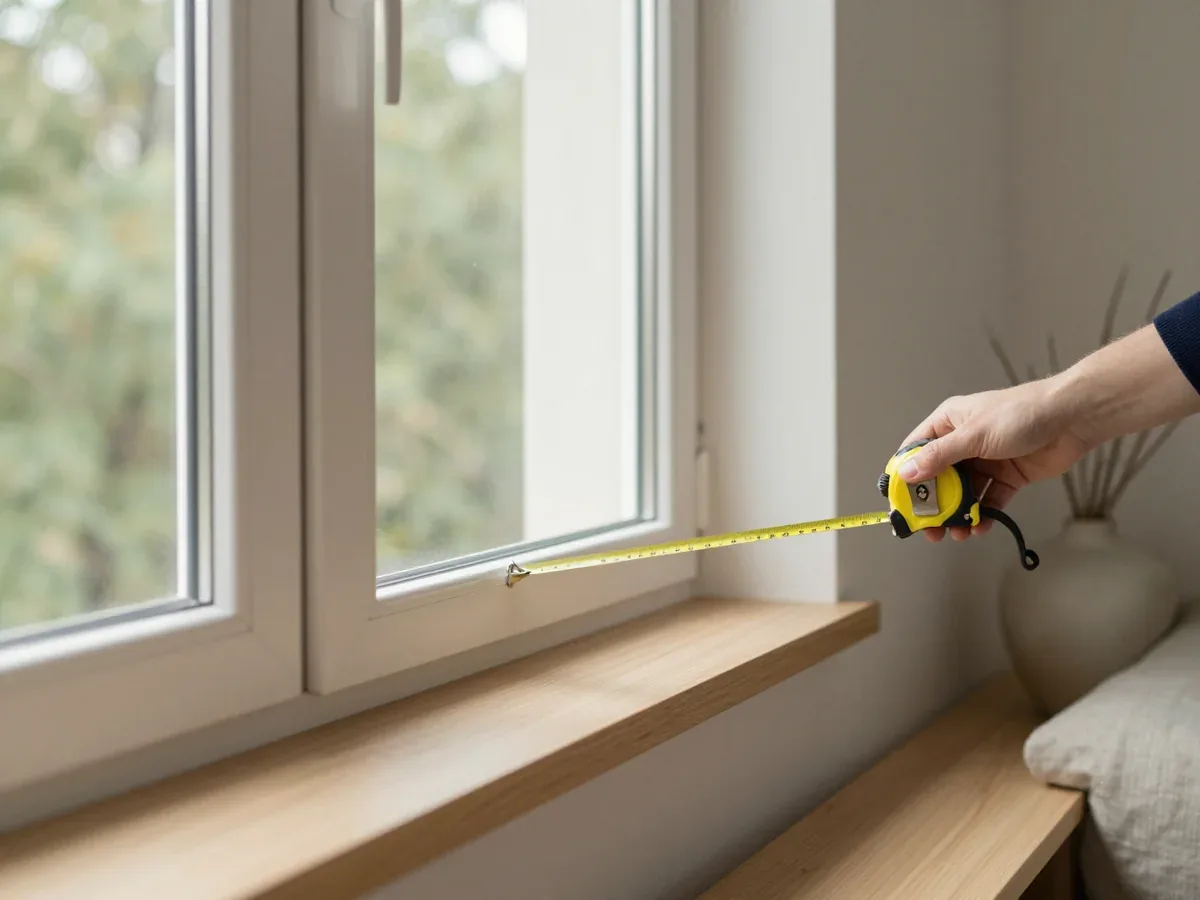
The technician checks the window profile and windowsill height to select fixings for your sash.
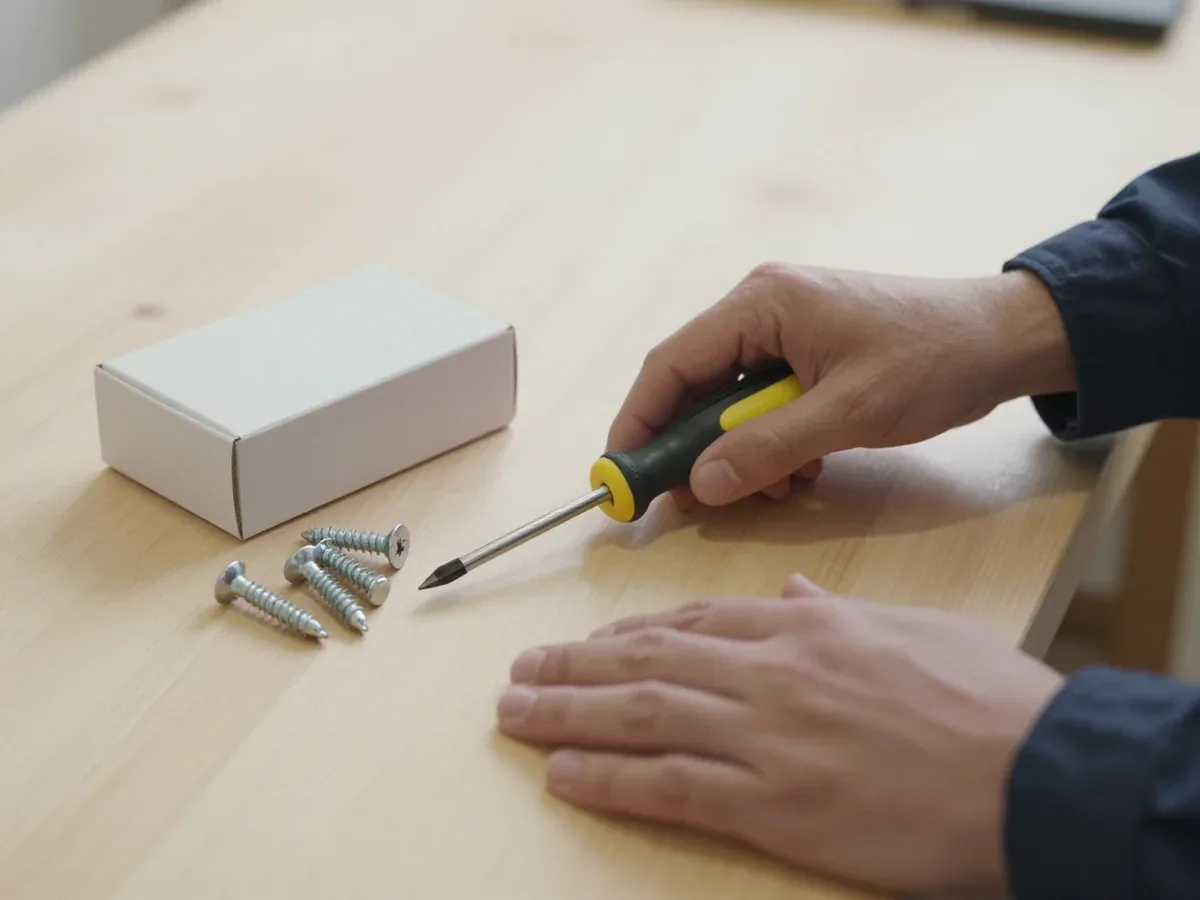
We select fixings for the window profile and floor, and install protection on the sash or opening.
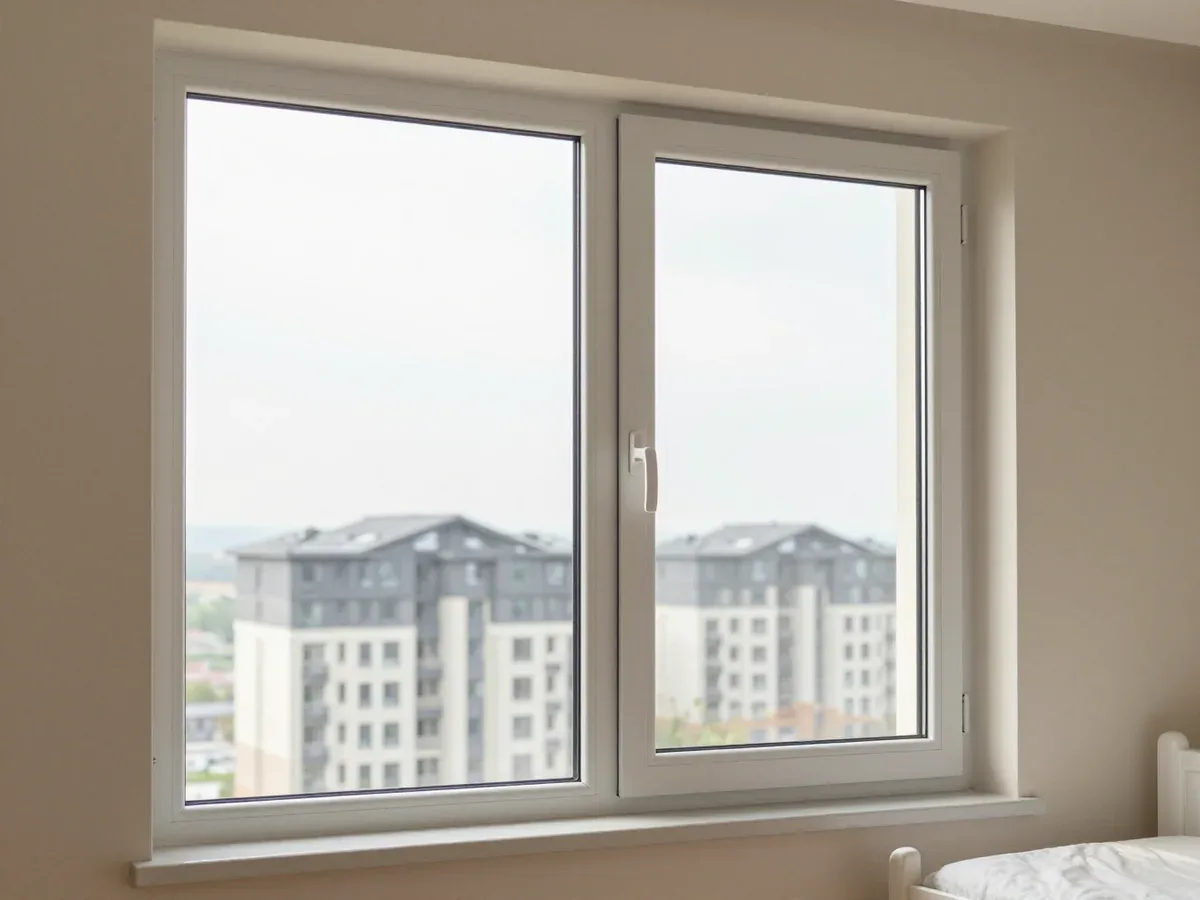
We check that the lock and limiter work and that the sash opens only with a key.
Good to know

Senior mosquito screen specialist at moskitnyesetki.kz
We fit child window safety in Kostanay on windows you already have, choosing between opening restrictors, cable blockers, handle locks and protective grilles to suit your sash and floor. Measuring and consultation are free, the price is fixed after measuring, you pay after installation, and our own fitters carry out the work.
Four kinds of protection exist, and the choice depends less on budget than on the opening type, the storey, and how far a young occupant has already got with the fitting.
| Device | What it stops | Where it fits best |
|---|---|---|
| Restrictor | Opening beyond a set gap | Rooms ventilated daily |
| Cable blocker | Opening, locked on a steel cable | Upper floors, tilt-and-turn units |
| Handle lock | The lever turning at all | Children already reaching the fitting |
| Grille | The opening itself, fully | Upper floors, ground-floor terraces |
On a tilt-and-turn unit we usually pair a restrictor with a handle lock, because the leaf opens two ways and a single device leaves one of them free. A tilt-and-turn window swings inward at the top and turns sideways at the side, so the hardware has to cover both movements rather than one. The storey changes the calculation again. Above the second level a fall is not survivable, and the barrier has to hold a leaning body, not just a curious hand. On the ground floor the risk runs the other way — a young occupant can climb out onto a terrace or into a yard, so the device must resist pushing and weight against the mesh or frame. Our measurer checks the profile, the opening direction and the level before naming a type.
If a young occupant already reaches the fitting and opens the leaf, a plain restrictor is no longer enough, because the motion that releases it has been learned. Little ones copy the release sequence quickly — a press, a lift, a turn — and a device that worked in spring can be defeated by summer. The practical move is to change the release mechanism, not the whole window. A keyed handle lock removes the lever from small hands entirely, while a keyed blocker keeps the leaf on a locked line until an adult unlocks it. The frame, the profile and the glass unit stay exactly as they are, so nothing in the room changes except the point where small hands meet resistance.
Most flats in the city already have windows in place, and replacing them for a child's safety is rarely necessary. Protection goes onto the existing sash and opening, so the window stays where it is.
We fit window safety on plastic, wooden and aluminium windows, including sashes on loggias, verandas and summer rooms, so the frame material does not decide whether protection is possible. Plastic sashes take standard restrictors and handle locks, timber holds screws well in dense wood, and aluminium profiles need a shorter fastener because the metal wall is thin. On loggia and veranda glazing the sash often opens outward, which changes the device but not the goal. What changes between materials is the fixing, not the hardware — a wooden profile takes screws differently from a thin aluminium one, and the measurer checks the wall thickness before choosing. Child window safety in Kostanay follows the same principle: the fixing is matched to the profile, not to the frame material.
Protecting an existing window does not require a new frame or a new glass unit — the hardware is fixed to the sash you already have, and the glass stays untouched. A restrictor or cable blocker mounts on the sash edge, a handle lock replaces the handle screw, and a grille sits around the opening. Nothing is cut into the glass, so the sealed unit keeps its insulation and its warranty. This also means the work is reversible: if you move out or the children grow up, the hardware comes off and the window returns to its previous state, which matters for rented flats.
Insect mesh across an open window looks like a barrier, and that is exactly what makes it dangerous. It is built to stop flies, not to carry a child, and it never replaces a proper window safety device.
A mosquito net is made to keep insects out, not to carry weight, so it cannot be treated as a barrier that holds a child leaning on it. The frame is light aluminium or plastic, the weave is thin, and the whole panel is held by small brackets, pins or magnets chosen for the window profile, not for a load. Standard (Fiberglass) is fire-resistant and stable across temperature swings, UltraVue lets in 25% more light and air, and Anti-Cat (Pet Screen) uses vinyl threads that survive a cat's claws — none of these is rated to take the weight of a leaning body. The dangerous part is the habit, not the mesh: a small one who has leaned on it once will lean again, and the panel gives no warning before it fails.
A net and a safety device can sit on the same window, because they do different jobs — the mesh keeps insects out and the restrictor, handle lock or grille controls how far the sash opens. We fit the two together on one frame: the safety hardware goes on the sash and frame first, then the screen goes over it, so the panel never becomes the surface a child pushes against while the window stands open behind it. The fixing is picked by the measurer for the profile and the floor, whether that is a Z-bracket, a pin or a magnet, and the screen frame can be painted to match the window. Fit the safety device first and the net second, so the panel never becomes the thing a small one pushes against while the opening is open behind it.
A window is protected only on paper when the only thing between the child and the drop is a net, a loose latch or a restrictor the child can already release. A restrictor limits the sash opening to a set gap, a handle lock stops the handle turning, and a cable blocker holds the sash on a steel line — each one works only while it is engaged and out of a small hand's reach. Many flats in Kostanay inherit hardware that was fitted years ago and never checked, so the lever moves freely or the key slot sits at child height. Check the release, not the look: if a small hand can reach the button, lever or key slot without effort, the device is decorative for that child.
The process is short and predictable: a measure, a fixing chosen for your window, then fitting. Most of the time goes not into the work itself but into agreeing the small details first.
Measuring and consultation are free, and the measurer comes at a convenient time, takes sizes and helps choose the design, the mesh and the fixings. The visit is not only about width and height: the measurer looks at the sash type, the profile, the storey and how the window opens, then matches the hardware to all of them. On a tall window above a low sill the same restrictor that works in a bedroom may be the wrong reach for a child who climbs. We bring samples of the mesh and the brackets so you can compare them in the hand rather than on a picture. The visit is also where the storey and the sash type get checked together, because a product that suits the window can still be wrong for the room it is in.
Some devices need small mounting points in the sash and others clamp on without drilling, and we paint the screen frame any colour to match your windows so the protection does not stand out. The measurer decides between Z-brackets, plunger pins and magnets based on the profile and the storey, so a top-floor flat with a wide opening gets a different mount from a ground-floor bedroom. Colour matching covers the surround of the net, not the safety device itself, and it keeps a white, grey or wood-look window looking unchanged from the street. Ask about the mounting points before the fitter starts, because the same unit can be mounted two ways and only one of them leaves the surround easy to restore later.
| Item | Detail |
|---|---|
| Framed unit made to size | 10–15 minutes |
| Pleated unit | 40–60 minutes |
| Payment | after installation |
| Payment methods | cash, card or Kaspi |
| Price | fixed in the order after measuring |
A safety device only works if it is easy to live with every day. How it behaves during ventilation and across the seasons decides whether it stays in use or gets propped open and forgotten.
A restrictor is designed to hold the leaf at a set opening, so the room still ventilates while the gap stays too narrow for a young one to pass through. The catch is set on the window and the moving part, and the leaf stops at whatever angle you chose when it was fitted. A typical working gap leaves enough room for air to move without letting a small body through, and the window still closes normally from the inside. The useful setting is the one you can live with daily — if the gap is so small that the room never airs out, the device gets propped open and stops protecting anyone. Set the opening by how the room actually ventilates, not by the smallest gap the hardware allows.
When a child learns to release the device, the answer is a different release, not a stricter warning — a keyed lock or a cable blocker moves the control out of their reach. A handle lock needs a key to turn, and a cable blocker anchors the moving part to the window on a short cable so the opening stays fixed whatever the handle does. Both keep ventilation working while removing the easy release a curious youngster has learned. Re-check the setup as they grow, because a device that was out of reach at three can be within reach at five without anything on the window changing. Look at the window from their height, not yours, when you judge whether the control is genuinely out of reach.
The order goes straight to the team that carries out the job, with its own fitters, and the payment terms and warranty are known in advance of any drilling or fitting.
| Item | Cover | Period |
|---|---|---|
| Mosquito screens | Frame, mesh, fasteners | 1 year |
| Window installation | Fitting and adjustment | 5 years |
| Glass unit replacement | New unit and fitting | 3 years |
| Window repair | Labour and replaced parts | 1 year |
You pay after installation by cash, card or Kaspi, and the price is fixed in the order after measuring, so nothing changes between the visit and the finished job. The measurer takes the sizes, you agree the design, mesh and fasteners, and that agreed figure stays on the order sheet until the task is done. Nothing is charged up front and nothing is added on the day for the same scope. Paying at the end means the first thing you check is the finished result, not the invoice — open and close the sash with the device on, test the handle lock and the restrictor travel while the fitter is still there. If something catches or a bracket feels loose, it is corrected on the spot, with the tools still out.
We work with our own fitters rather than acting as an aggregator, so the person who measures your window is from the same team that fits the device. That matters on older wooden frames and on aluminium loggia profiles, where a fastener choice made on a photograph often turns out wrong on site. We reply on WhatsApp within 5 minutes and are open seven days a week, which counts when you are weighing up devices and want an answer ahead of the weekend. Screens can be ordered in 17 cities of Kazakhstan, and the crew that arrives is the one that carries the warranty. Ask on the first message which fasteners suit your profile and floor — the reply comes back the same day, long before anyone travels to you.
A safe window comes down to a few decisions made in the right order, from the opening type to the fastenings. Here is the short version to keep in mind.
Choosing, installing and comparing child safety locks and limiters
Konstantin Selenenkovsenior mosquito screen specialist, 10 years in the tradeOnline · replies within 5 minutes
Ask a questionFor uPVC windows, people most often choose a comb limiter or a cable lock: they prevent the sash from opening wider than is safe. If a full barrier is needed, a transparent grille is installed. The specific option is selected based on the sash and the floor level.
Installation depends on the type of protection: a limiter or lock is attached to the sash and frame, while a grille is mounted on the frame or in the opening. A technician visits for a free measuring visit, selects the fixings and installs on site, then checks operation with you after fitting.
A surface-mounted lock with a key or a lock is fitted to the handle: an adult opens the sash with a key, a child cannot. Such devices are compatible with tilt-and-turn hardware from Rehau, KBE and other manufacturers. The fixings are selected to match the profile and sash.
A limiter secures the sash in a safe position, preventing it from opening wider than a set angle, but still allows ventilation. A child lock blocks the handle or sash completely, and the window can only be opened with a key. The choice depends on whether you need to leave the window slightly open.
A standard mosquito screen is not designed to hold a child's weight: it is attached with light fixings and easily falls out when pressed. Even the reinforced Anti-Cat canvas does not replace fall protection. For safety, a separate limiter, lock or grille is needed.
If it is important to maintain ventilation, a limiter or lock with a key is suitable. To completely block access, a transparent grille is installed. The choice depends on the window type, floor level and how often the sash is opened.
Thank you. We will call you back within 10 minutes!
Your order number is on the receipt or in the SMS. Choose where to leave your review.
Write a review on WhatsApp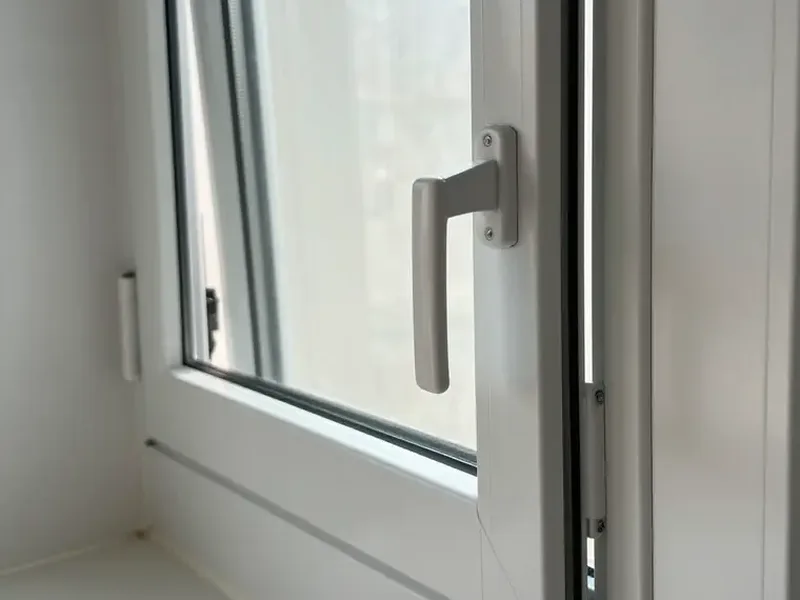 Window restrictors
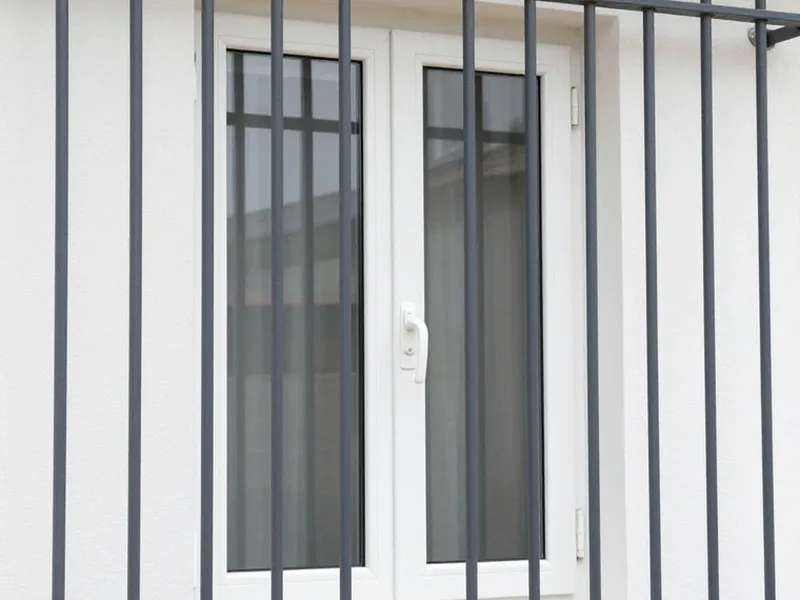 Metal grilles
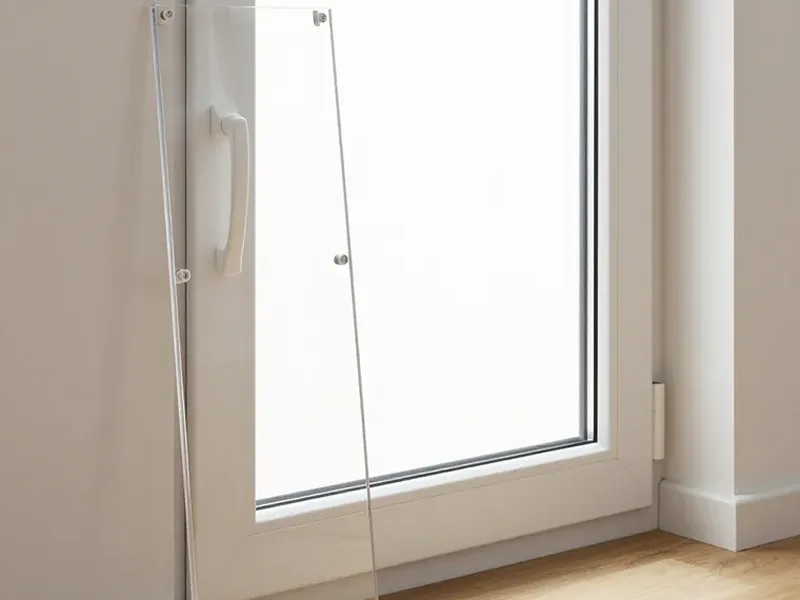 Transparent grilles
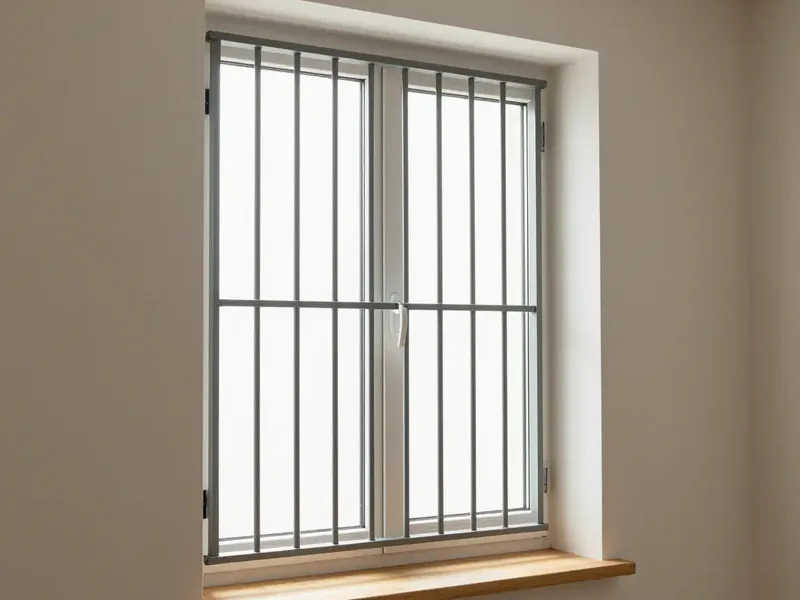 Window grilles
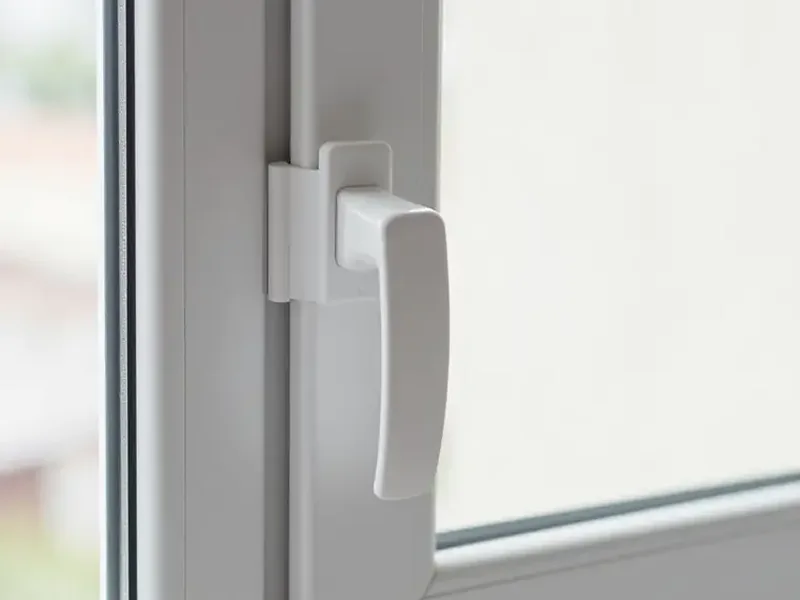 Window blockers
 Window handles
 Penkid lock
 Ready-made mosquito screens
