
Budget option · standard
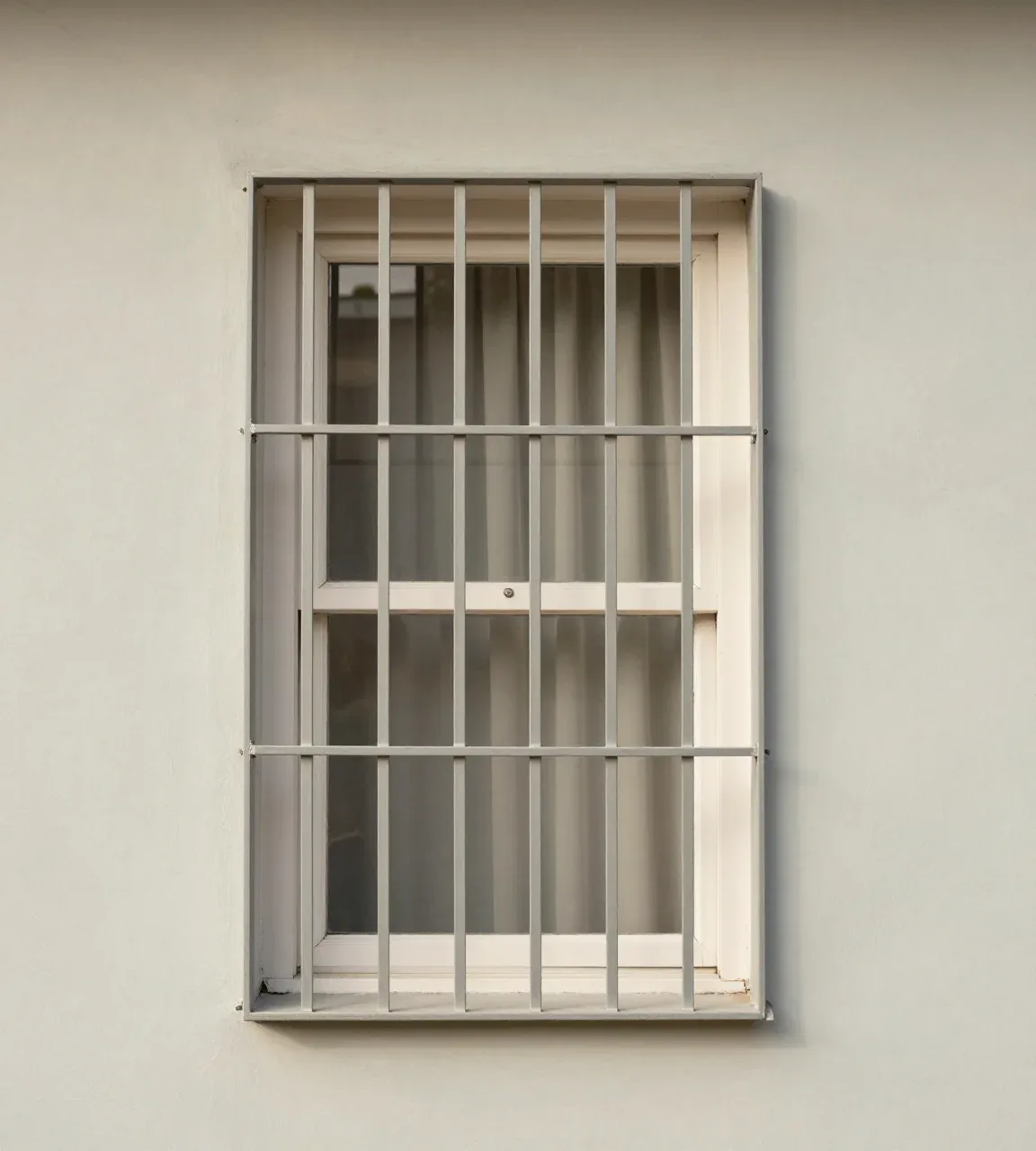
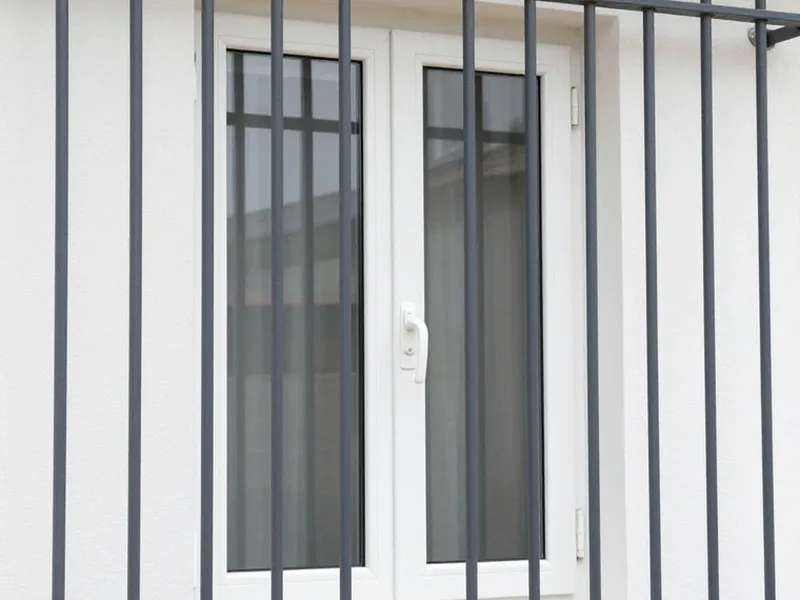
Welded grille
Simple rod pattern, price from 7 500 ₸ per m². Powder coating protects metal from rust.
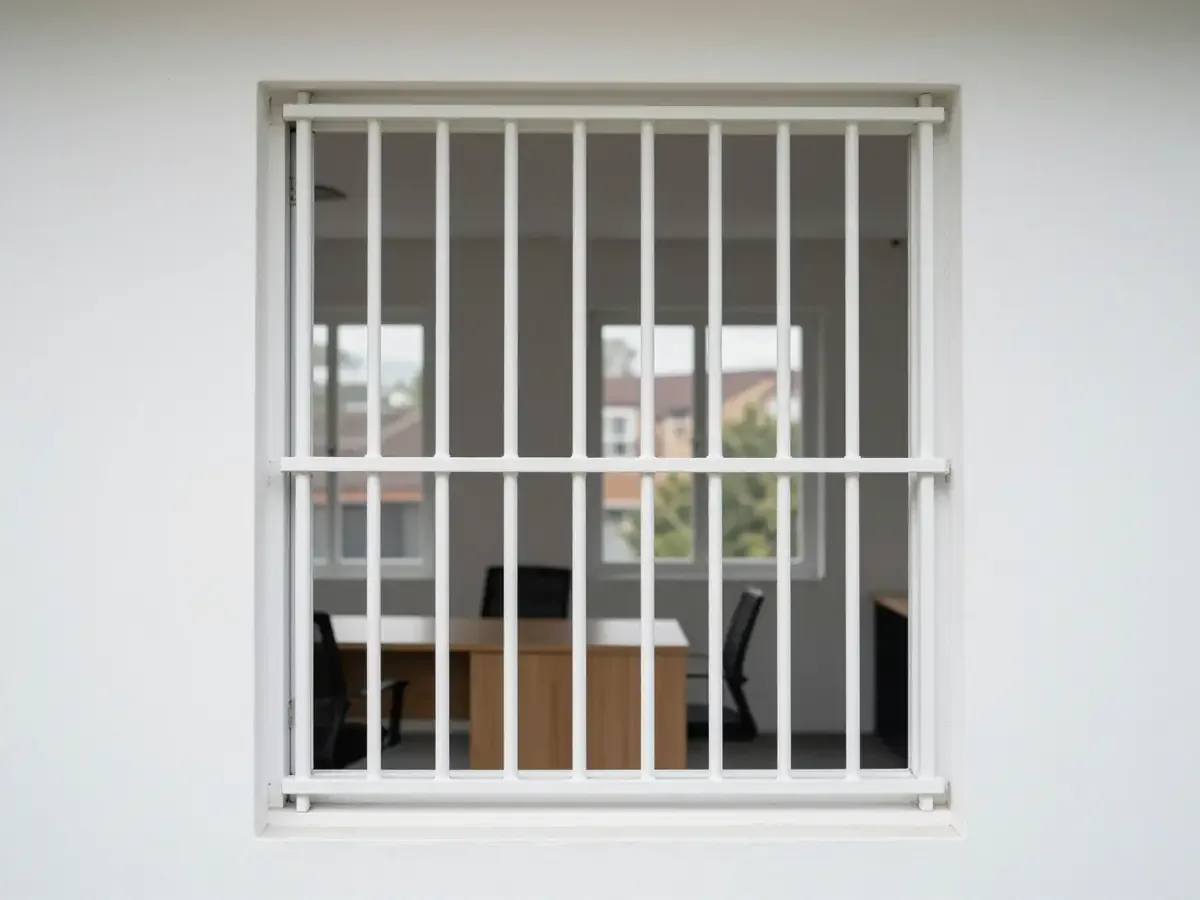
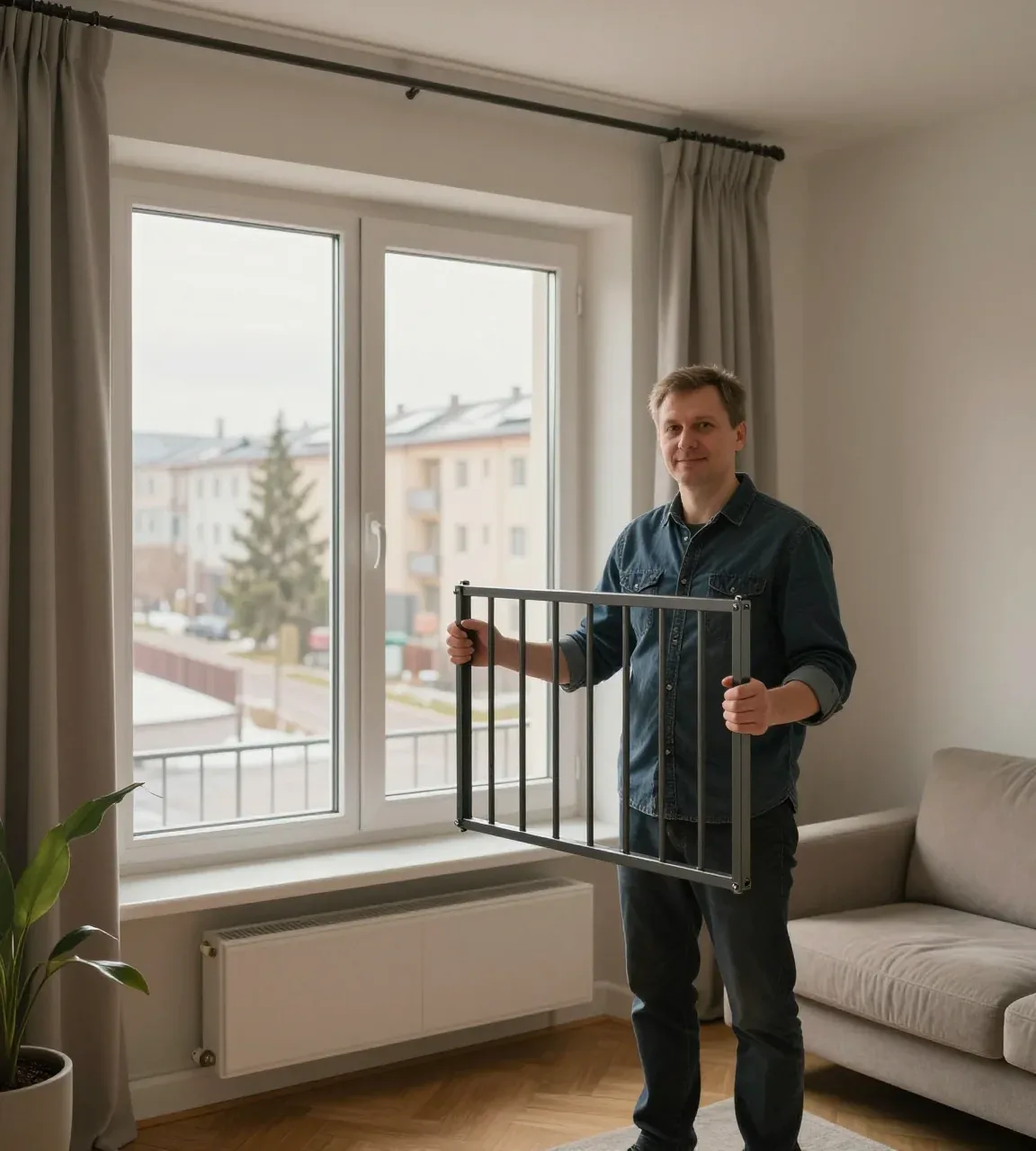
Welded grille
Simple rod pattern, price from 7 500 ₸ per m². Powder coating protects metal from rust.
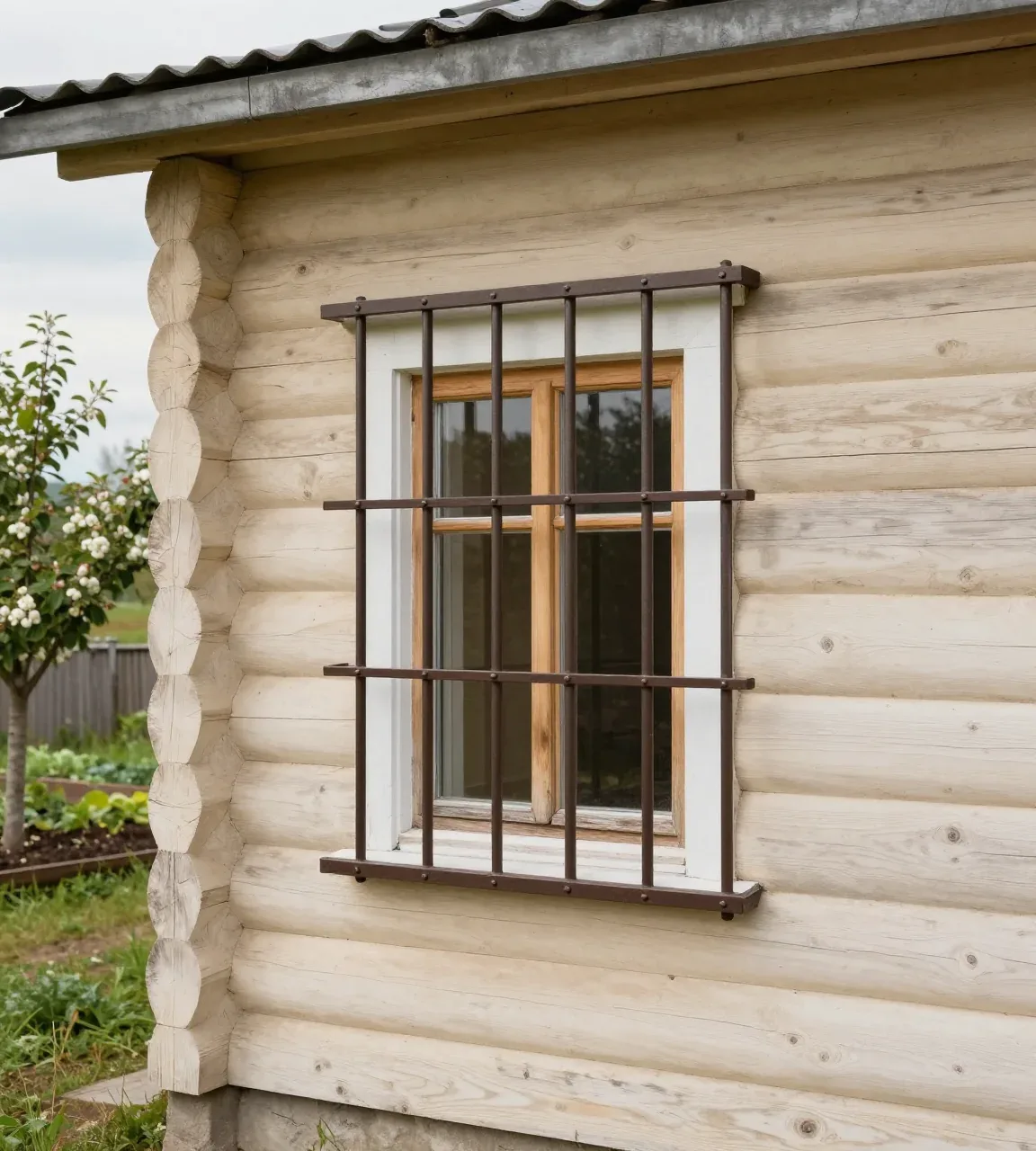
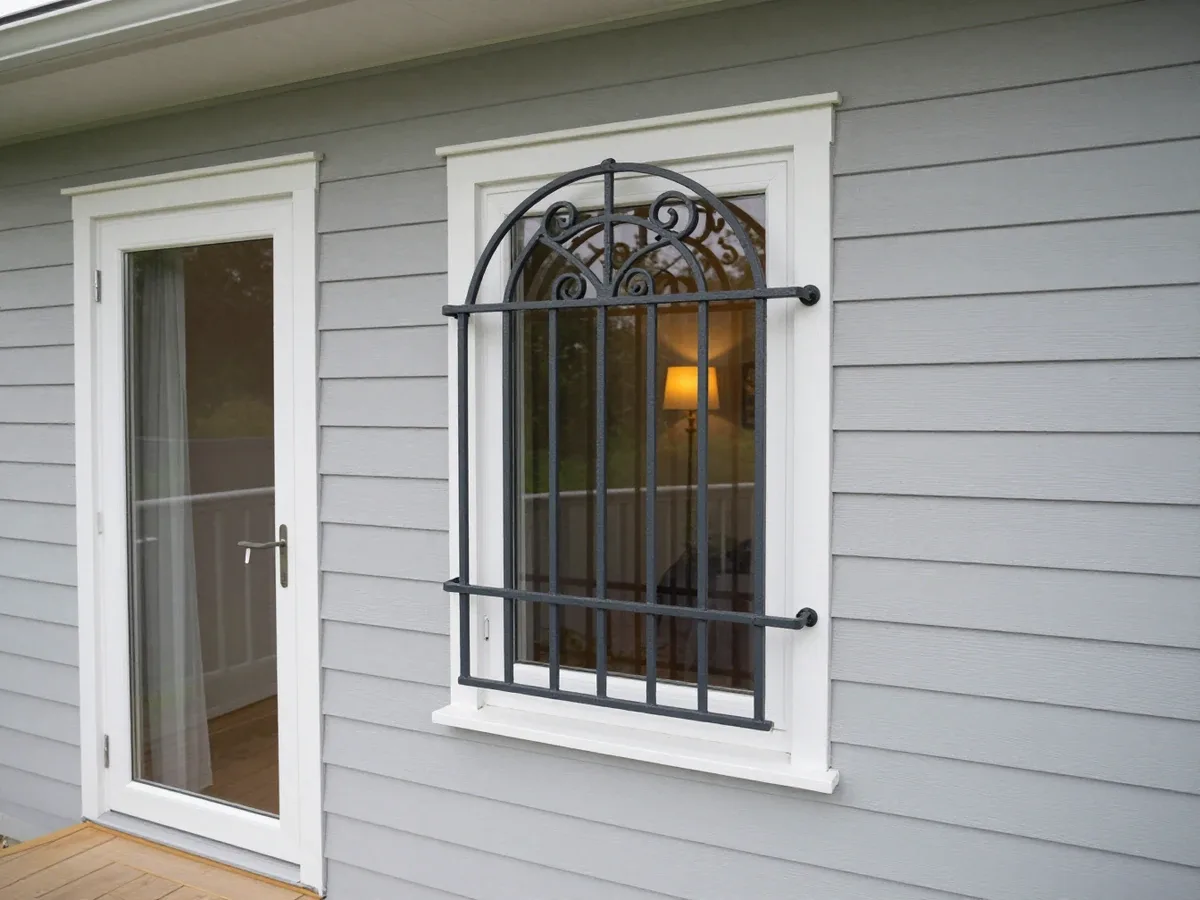
Wrought iron grille
Artistic forging with three-dimensional pattern, price from 26 000 ₸ per m². Suitable for private house facade.
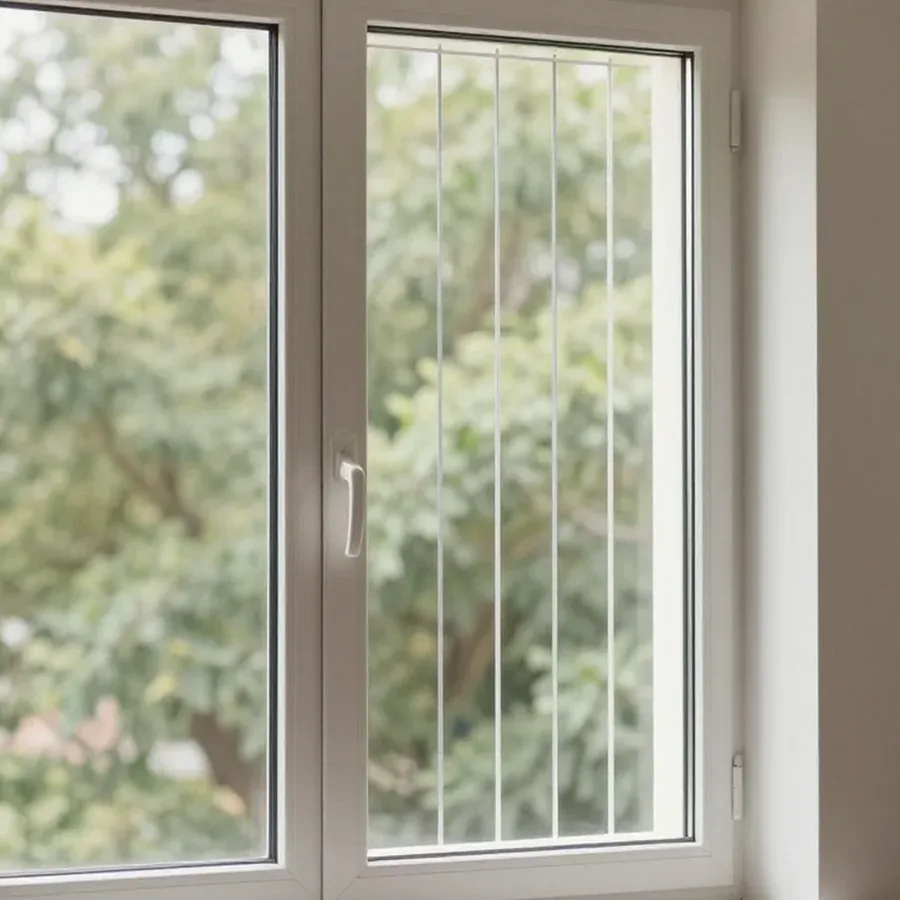
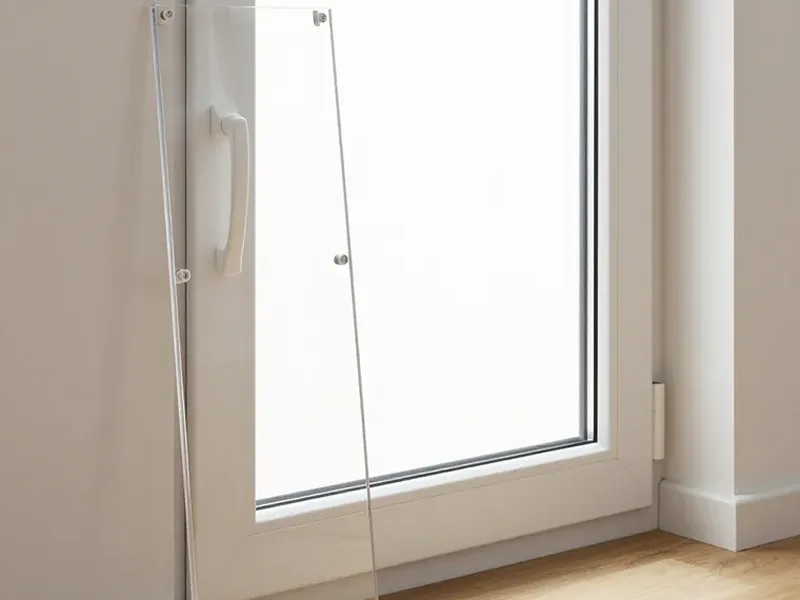
Transparent grille
Polycarbonate preserves view and light, price from 26 000 ₸ per m². Often chosen for first floors.
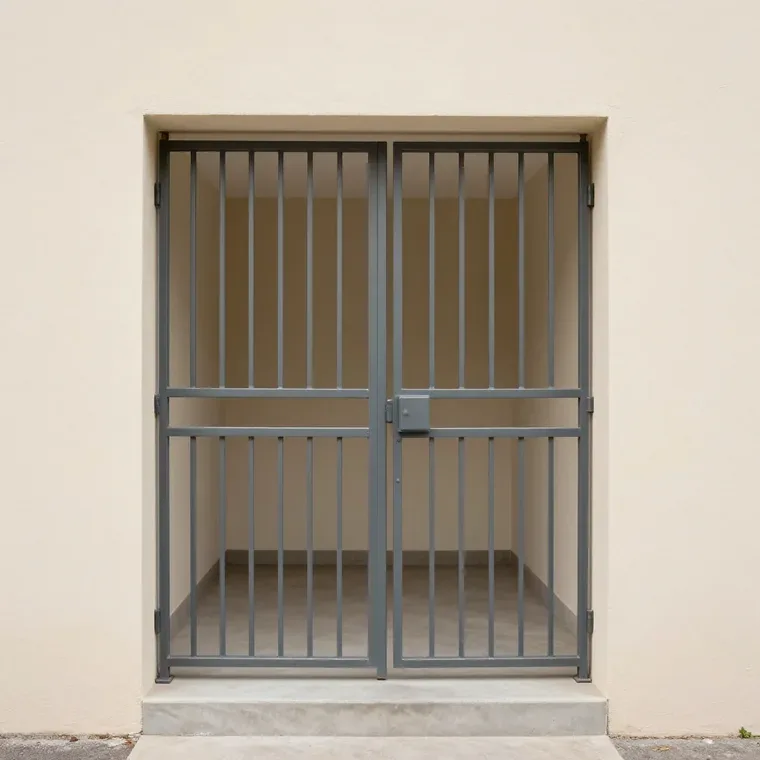
Hinged leaf
Opens on hinges with lock, extra charge 15 000 ₸ per leaf. Provides access to glass and frame.
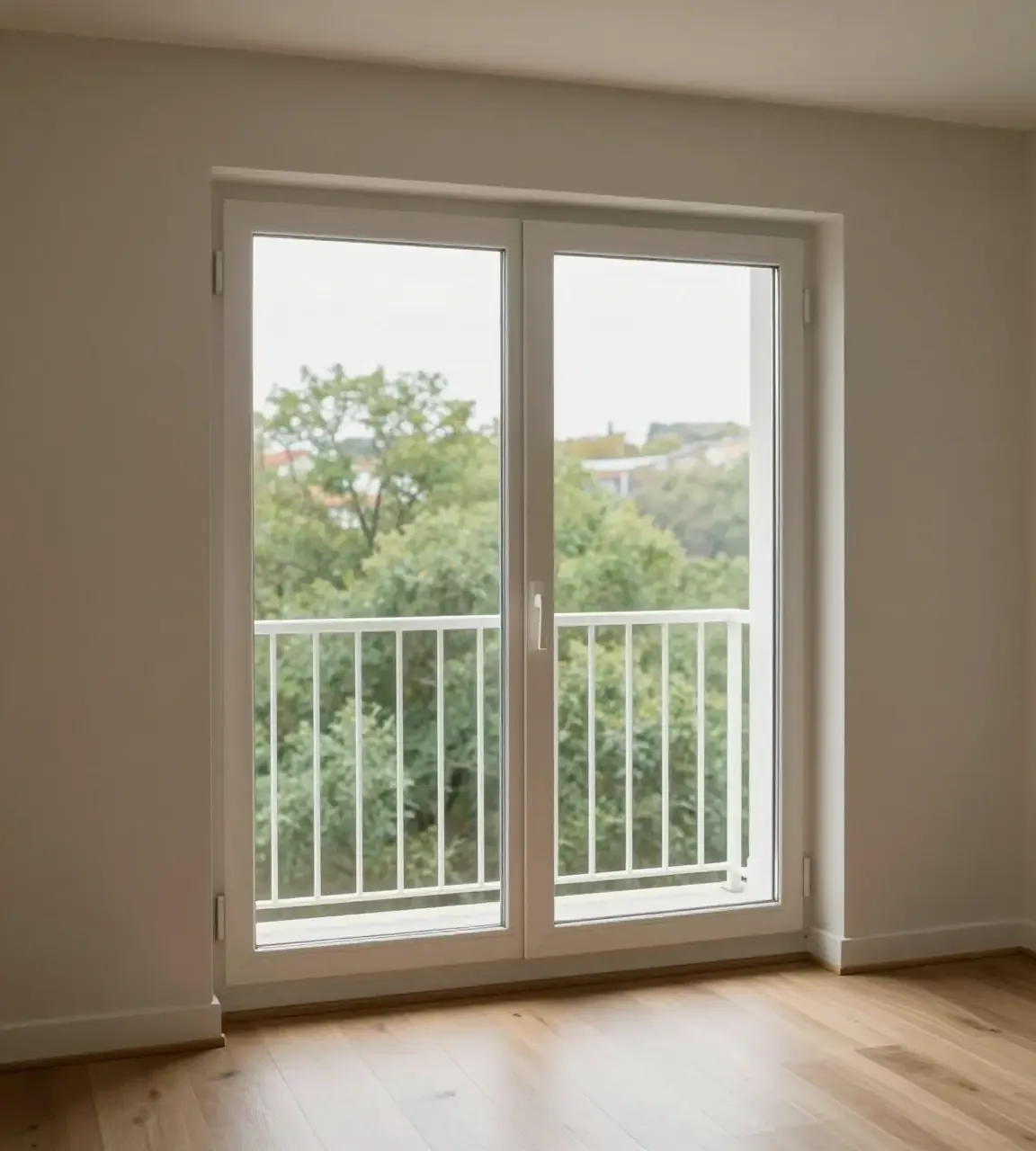
Child safety grille
Aluminium fall-prevention design, 12 200 ₸ per item. Installed on windows in apartments with children.
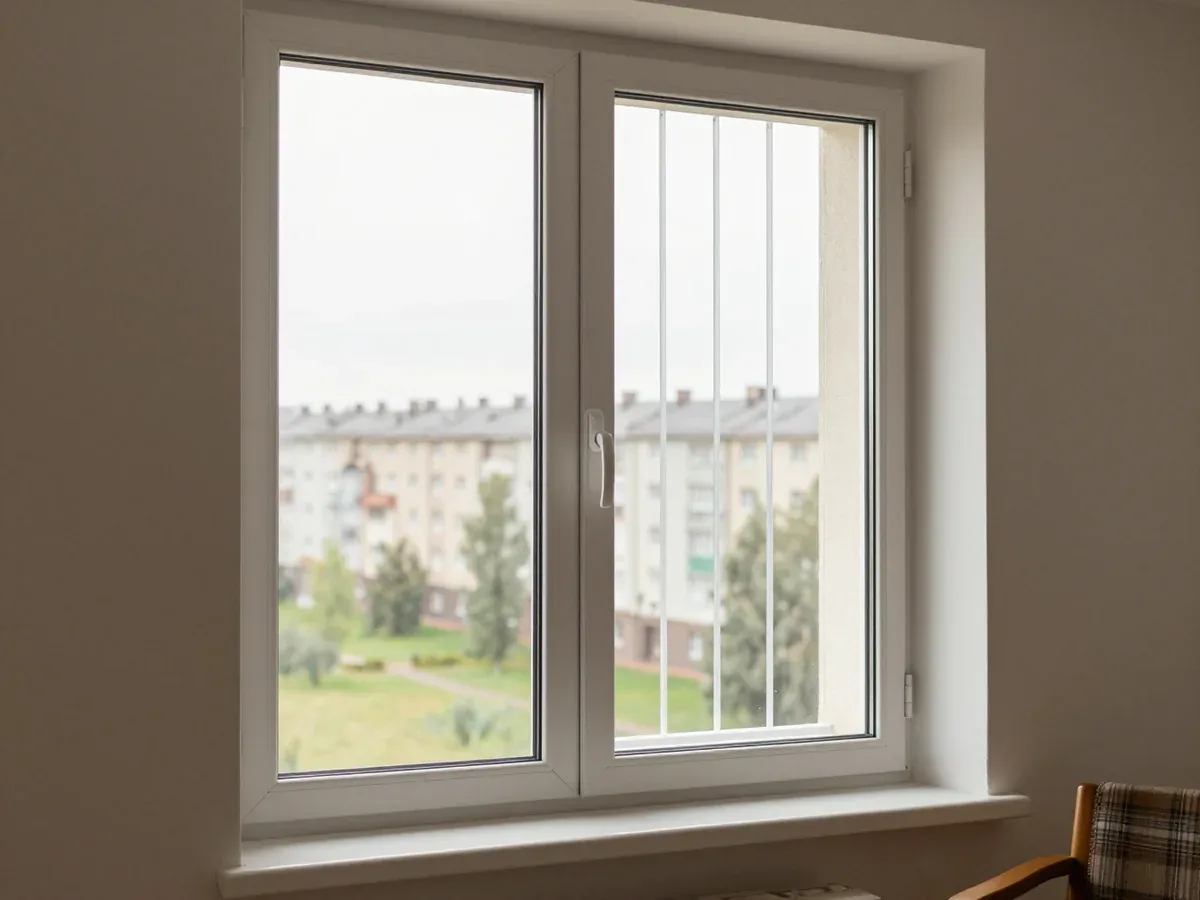



5,097 reviews on review sites
A grille covers the opening with rods or mesh and prevents entry through the window.
A window grille is a metal structure of a frame and rods, fixed to the opening or wall. It protects children from falling, makes break-ins harder and can serve a decorative role on the facade.
The structure includes a load-bearing frame, rods or pattern, fixings and coating. Powder paint protects metal from corrosion, and the pattern and colour are matched to the windows and the look of the house.
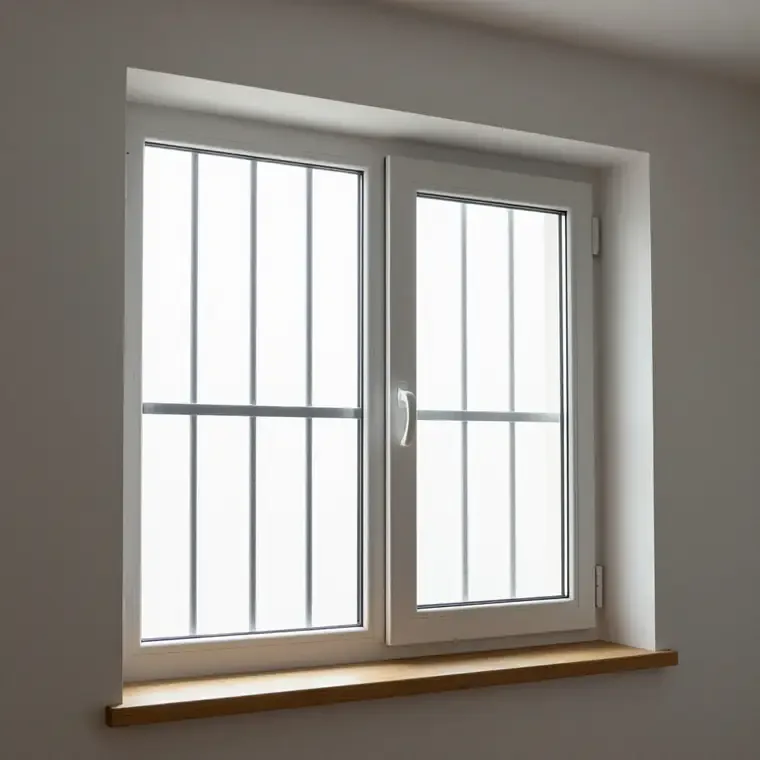
price per m² of welded grille
grille installation on window
warranty on mosquito screens
The installation method and opening type are chosen based on the window, floor and protection task.
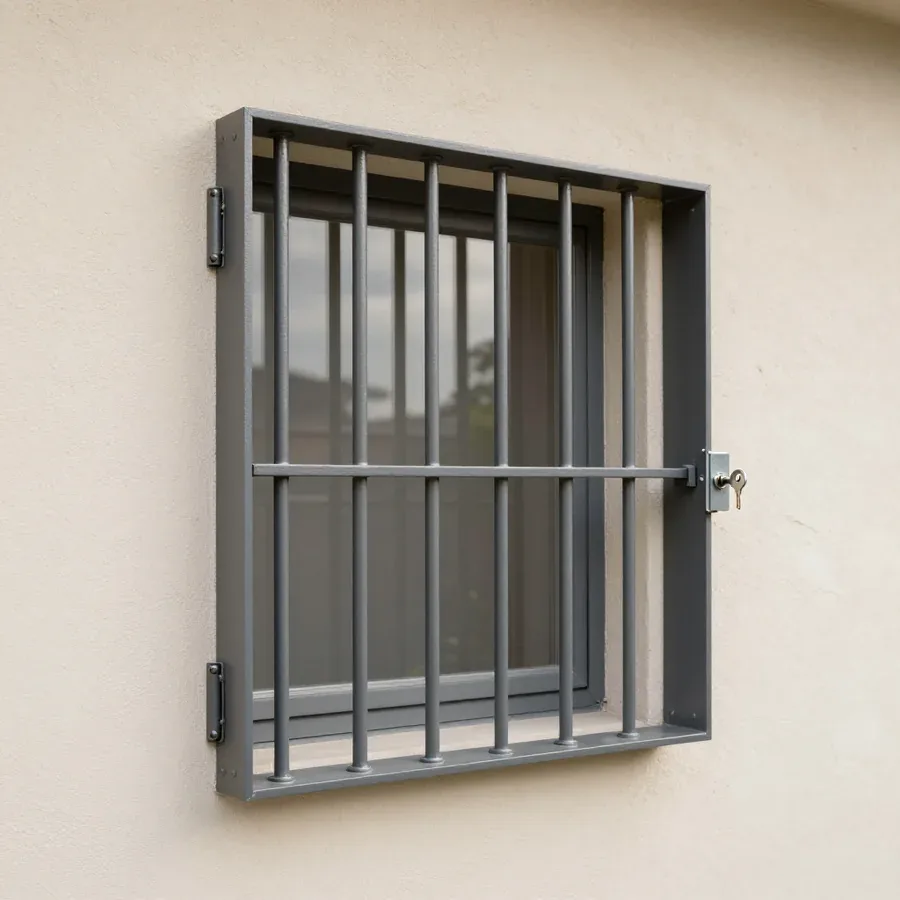
The structure is fixed with anchors into the reveal or wall, fixings are selected for the window material and floor.
Part of the grille opens on hinges with a lock — convenient for cleaning glass and accessing the balcony.
The folding structure slides aside, saves space and provides access to the window.
For concrete reveals, anchors with expansion sleeves are suitable; for brick — chemical anchors; for wood — hex-head screws. On floors above the third, fixings are calculated for wind load and structure weight.
Price list by types of structures and works, installation and terms are indicated separately.
| Type of item | Price |
|---|---|
| Welded grille (standard pattern)budget option | from 7 500₸ per m² |
| Wrought iron grilledecorative forging | from 26 000₸ per m² |
| Blown (convex) grillethree-dimensional pattern | from 26 500₸ per m² |
| Decorative grille (laser cut)custom pattern | from 25 000₸ per m² |
| Sliding accordion grillefolding design | from 28 000₸ per m² |
| Hinged grille leafextra charge for opening | from 15 000₸ per leaf |
| Transparent grille (polycarbonate)doesn't spoil the view | from 26 000₸ per m² |
| Aluminium fall-prevention grillefor children | from 12 200₸ per item |
| Grille with mosquito screen (2 in 1)combined | from 19 800₸ per m² |
| Powder coating of grillerust protection | from 5 500₸ per m² |
| Grille installationfitting to window | from 4 500₸ per m² |
| Removal of old grilleremoval and disposal | from 4 000₸ per item |
| Child safety window grillefall prevention | from 12 500₸ per item |
The price is fixed in the order after measurementThe cost depends on the size of the opening, material and patternPayment after installation: cash, card or Kaspi
Calculate by dimensionsFacts about production, terms and installation that are important when ordering a grille.
The price is fixed after measuring
We reply within 5 minutes
We accept requests every day
For work and replaced components
The measurer will come at a convenient time and take the measurements
We will select a powder coating shade to match the frame so the grille does not stand out on the facade
We deliver and install on windows and doors
You can order in 17 cities of Kazakhstan
Four steps from request to the finished structure on the opening.
You leave a request on WhatsApp — we reply within 5 minutes and clarify the task.
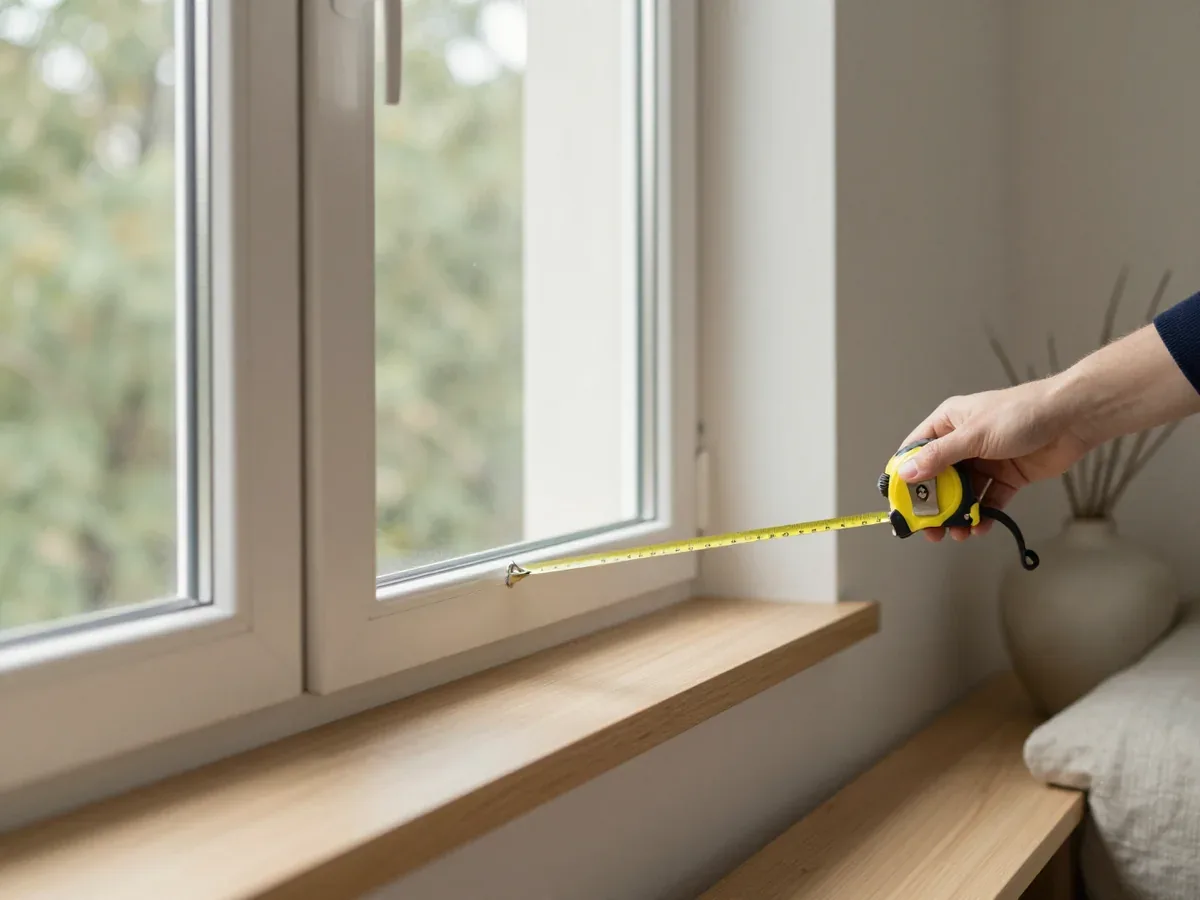
The measurer takes the dimensions of the opening and helps choose the structure.
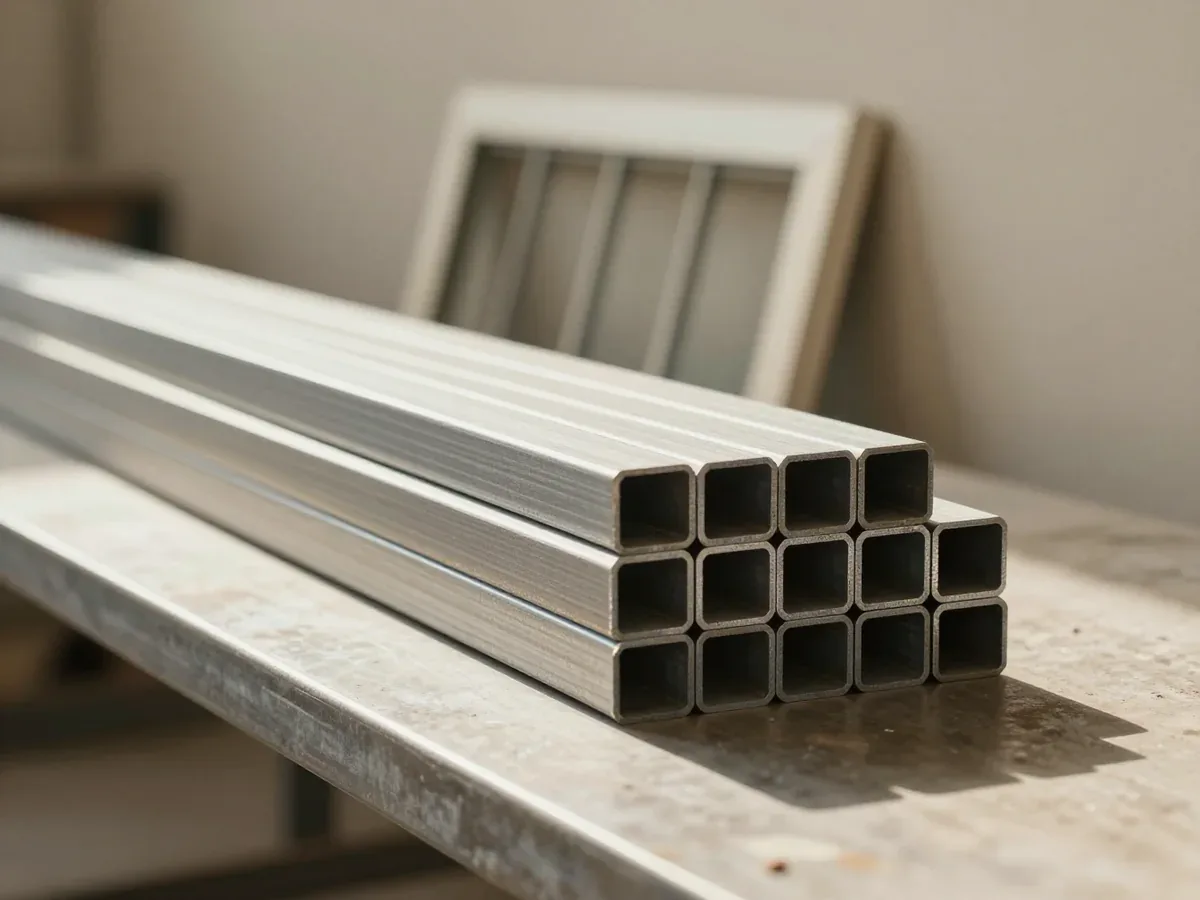
We make framed screens in 10–15 minutes, pleated — in 40–60 minutes.
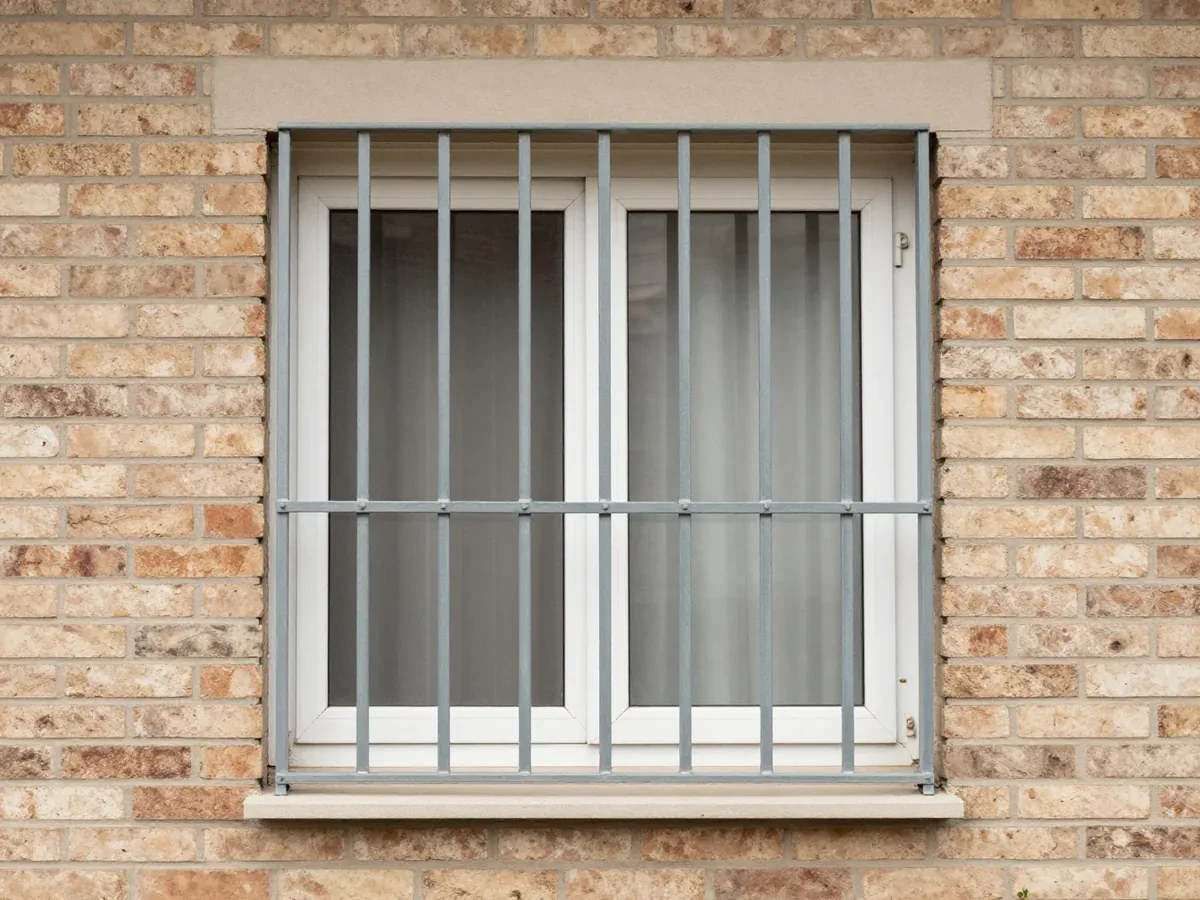
We mount the structure on the window, check the fixings and the opening of the leaves.
Good to know

Senior mosquito screen specialist at moskitnyesetki.kz
We supply and fit window grilles in Kostanay with a free measuring visit, fixings chosen for your window profile and floor, and frames painted any colour to match your windows. You pay only after installation, by cash, card or Kaspi, and we reply on WhatsApp within five minutes. Our fitters do the work themselves, not subcontractors.
A grille starts with one decision: welded metal or clear polycarbonate. Both secure an opening, but they solve different problems, and the right answer depends on the opening, the storey and what you are guarding against.
A welded metal grille is the strongest barrier against a break-in and holds its shape for years, which is why it stays the default for ground floors and private houses. Bars are fused into a single frame rather than bolted together, so there is no joint for a lever to work loose, and the structure shrugs off a shoulder or a boot. On a ground-floor opening facing a courtyard or a quiet lane, that is the difference between a deterrent and an open invitation. The trade-off is daylight: a dense pattern blocks more of the view than any other option and needs repainting over time, so weigh security against light before you commit to a full frame. If the room already sits in deep shade, a heavy pattern can make it feel like a basement.
A clear polycarbonate grille keeps the view and the light while still forming a rigid barrier, and a properly fixed panel takes the weight of an adult leaning on it. The sheet is mounted in a metal subframe and anchored into the wall or the reveal, so the load travels into the building rather than into the glazing. Unlike steel, it does not rust, so it holds its look on a facade far longer than painted metal — which matters on a street-facing wall that takes rain and sun all year. The trade-off is surface care: polycarbonate scratches, so clean it with a soft cloth and plain water rather than an abrasive pad or solvent, and skip the scraper even when paint or insect residue builds up along the edge.
| Where the window is | Main risk | Grille that usually fits |
|---|---|---|
| Ground floor, private house | Break-in | Welded metal, anti-vandal |
| Upper-floor flat, child at home | Falling out | Clear polycarbonate |
| Balcony or loggia | Both | Metal frame, clear infill |
| Country house, seasonal use | Break-in, weather | Painted metal, rust-resistant |
One barrier often covers two jobs at once — it stops a child falling from an open window and keeps an intruder out. Here is how that works and where helpers earn their place.
A mosquito screen is built to keep insects out, not to hold a child, so a metal barrier is the only thing that takes real body weight at an open window. The mesh in a standard insect screen is light fiberglass held in a thin frame; a three-to-five-year-old leaning on it pushes straight through, and the drop from a fifth-floor flat leaves no second chance. A fall-prevention unit works differently: its bars are anchored into the wall or frame and carry the load of a small body pressing against them. Even the strongest assembly only works when the gap between bars is small enough for a small body, so check the spacing, not just the material. Ask for a gap a child's head cannot pass through, and test the fixing by hand before you sign off.
Anti-vandal protection comes from the strength and fixing of the unit, not from how heavy it looks, so a slim clear panel can be as hard to break as a thick bar frame. A clear polycarbonate sheet spreads a blow across its whole surface instead of bending at one point, and it keeps daylight and the view that heavy black bars cut off. What actually decides whether a guard holds is the anchorage: Z-brackets, pins or magnets set into a sound reveal, matched to the profile and the floor. The weak point of most such guards is the fixing, not the sheet, so a well-anchored light frame beats a heavy one bolted into a weak reveal. On upper floors of a panel block, insist on anchors that reach solid concrete, not just the plaster skin.
The fixing decides whether a grille holds firm and whether the opening still moves freely afterwards. Here is how the mount is chosen for a given profile and floor, and why the frame itself stays intact.
Our measurer picks the fixing to suit the profile and the floor, choosing between Z-shaped brackets, pins (plungers) or magnets rather than forcing one type onto every opening. Z-brackets hook over the edge and spread the pull across a wider strip of the reveal, which suits most PVC sashes and tilt-and-turn units. Pins sit in drilled points and hold a lighter panel tight against the sash, a common pick where the reveal is narrow. Magnets let the grille come off in seconds, handy on a balcony door that is opened daily. The measurer checks sash travel, reveal depth and wall material before settling on one option. The right mount spreads the load into the wall instead of the plastic profile, which keeps the sash opening freely afterwards.
We fit grilles to plastic, wooden and aluminium units, and to balcony, gazebo and veranda openings, adjusting the method to each frame rather than using one universal kit. On PVC the anchor bites into the reinforced inner chamber or the surrounding reveal, so the profile itself is not asked to carry the weight. Wooden frames take a screw anchor that grips solid timber, since an old dry frame splits if a pin is driven too close to the edge. Aluminium systems are thinner-walled and need a bracket that clamps around the section instead of drilling straight through it. Balcony and veranda openings often sit in a lighter structure, so the measurer checks what is behind the frame before drilling. Wood and aluminium take a different anchor than PVC, so a setup that worked on a plastic unit should not simply be copied onto a wooden one without re-checking.
Up high the mount has to carry wind load as well as weight, and in a panel block the anchor has to reach sound concrete rather than the soft outer layer. Wind pressure climbs with height, so the same grille that sits calmly on a second-floor unit is pushed harder on a tenth-floor one, and bracket spacing has to reflect that. In a panel building the outer skin can be a thin facing over insulation, so the anchor is driven deeper until it bites into the structural slab behind. A heavier anti-vandal grille multiplies both forces, which is why the frame section and the number of fixing points grow together. Wind pressure rises with height, so a setup that is fine two floors up may need deeper anchors and a stiffer frame ten floors up.
A purchase runs through clear steps: measuring, fixing the price, production, installation and payment after the work is done. Below is what happens at each stage and how long it takes.
Measuring and consultation are free, and the measurer comes at a time that suits you, takes the sizes and helps you choose the design, the mesh and the fixings. The specialist checks the profile, the sill depth and the floor the flat sits on, then recommends Z-brackets, pins or magnets for that opening. You see the mesh options in person — Ultravue for light, Pet Screen for a cat, Poll-Tex for pollen — and the frame colour is matched to your units on the spot. This is also where the price gets fixed in the paperwork, so anything agreed on site is what you pay later, with no surprise additions after the grille is made.
A framed screen made to your size takes 10 to 15 minutes to assemble and a pleated screen 40 to 60 minutes, so most jobs move from the visit to fitting quickly. Grilles for windows and doors are delivered and installed by our crew, who bring the finished panels, set the brackets and check that each one opens and closes cleanly. Those fitters also repair screens and replace worn fixings, so a loose bracket on an older unit can be handled during one trip. Because the panel is built to the sizes taken on site, the fitting day is mostly mounting and checking, not adjusting, which keeps the opening usable by evening.
You pay after installation by cash, card or Kaspi, and the cost is fixed once measuring is done, so nothing is charged before the panel is on your window. The 1-year warranty covers the mosquito screens we make, and we also repair screens and replace fixings afterwards, so a unit that loosens over time is not a dead end. Keep the signed sheet with the agreed sizes and mesh type — it is what the warranty check refers to if a frame or fixing needs attention. Window grilles in Kostanay follow this route whether you need one panel for a kitchen opening or a full set for a house, and the crew confirms each fixing point before signing the job off.
A grille and a mosquito screen often share one opening. The colour and the care decide how long the whole assembly stays neat, so here is how the two fit together and what each season asks.
We combine a grille and a mosquito screen on the same opening, so the screen keeps insects out while the barrier behind it carries the weight and the security. The measurer checks both against each other: the grille takes the structural load at the reveal, the screen sits on its own frame closer to the sash, and the fixings are picked so the two never fight for the same hole. On a hinged door the screen runs on Economy 32×10 mm or Prestige 42×17 mm profiles, with the barrier mounted independently so a swinging panel never leans on the mesh. Ordering both together means one measuring visit and one set of fixings checked against each other, instead of two separate fitters drilling the same opening.
We paint the screen frame any colour to match your sashes, so the barrier reads as part of the opening rather than an added cage on the facade. The shade is agreed at the free measuring visit, when the measurer sees the profile tone in daylight and notes it before production — white plastic, wood-grain laminate and aluminium each take a slightly different hue, and matching the sash rather than guessing from a swatch keeps the result clean. Matching the sash rather than the wall keeps the assembly visually quiet, because the eye follows the frame line instead of a contrasting rectangle.
Before ordering, it pays to settle two things — what your building allows and how the barrier will sit on the wall. Below is what to confirm in advance, with no legal promises attached.
Rules differ between blocks, so ask your building management or homeowners association before ordering, since some restrict what may go on the outside. In panel blocks and newer complexes the limit often covers colour, how far the frame projects from the wall and whether it may cross the glazing line. Ask what the house rules say about external fixtures, then bring that answer to the measuring visit so the design is chosen with it in mind. A unit painted to the glazing shade and kept flush with the reveal is far less likely to draw a complaint than a contrasting one that stands out from the wall.
The outside looks tidy when the shade matches the glazing and the frame sits close to the reveal, so it reads as part of the structure rather than an addition. Clear polycarbonate infill on upper floors keeps the street view uniform, while solid metal on every unit can make a block look closed off. On a ground floor or a loggia the balance shifts the other way — there the bars are what does the work, and the look matters less. Painting the surround to match ties both options together, and a design that follows the glazing line rather than cutting across it keeps the elevation calm from the pavement.
A grille is a long-term fixture, so the choice is worth getting right the first time. These are the points that decide whether the result holds up.
Purpose, installation, materials, safety
Konstantin Selenenkovsenior mosquito screen specialist, 10 years in the tradeOnline · replies within 5 minutes
Ask a questionGrilles protect against two main risks: a child will not fall out of an open window, and an apartment on lower floors will be protected from burglary. Additionally, they keep pets in and prevent intruders from entering through the opening.
A homemade grille is welded from angle or profile pipe to measured dimensions, painted, and fixed into the opening. Without experience, it is hard to keep the geometry accurate and anchor it securely, so for child safety and anti-burglary, it is better to order custom-made.
Look for reviews on maps and review platforms: pay attention to how the grille holds on the plastic profile and whether it interferes with opening the window. During the free measuring visit, we check the profile and fixings so that the structure is installed reliably.
The load depends on the material and fixing: a welded metal grille can withstand the weight of an adult, while an aluminum anti-fall grille can withstand a child. For child protection, choose models with vertical bars and a small distance between them so that the child cannot put their head through.
Polycarbonate lets light through and does not spoil the facade's appearance, but it is inferior to metal in burglary resistance. A metal grille is stronger and more reliably protects against burglary, but visually it is more massive. The choice depends on priority: aesthetics or safety.
Drilling depends on the chosen design and is confirmed at the free measuring visit. The specialist will select fixings for your profile and floor so the window is not damaged.
For the first floor, metal grilles with a reliable lock and wall fixing are recommended, such as welded or forged. Transparent polycarbonate grilles are more suitable for protecting children from falling out, but they resist burglary worse.
Thank you. We will call you back within 10 minutes!
Your order number is on the receipt or in the SMS. Choose where to leave your review.
Write a review on WhatsApp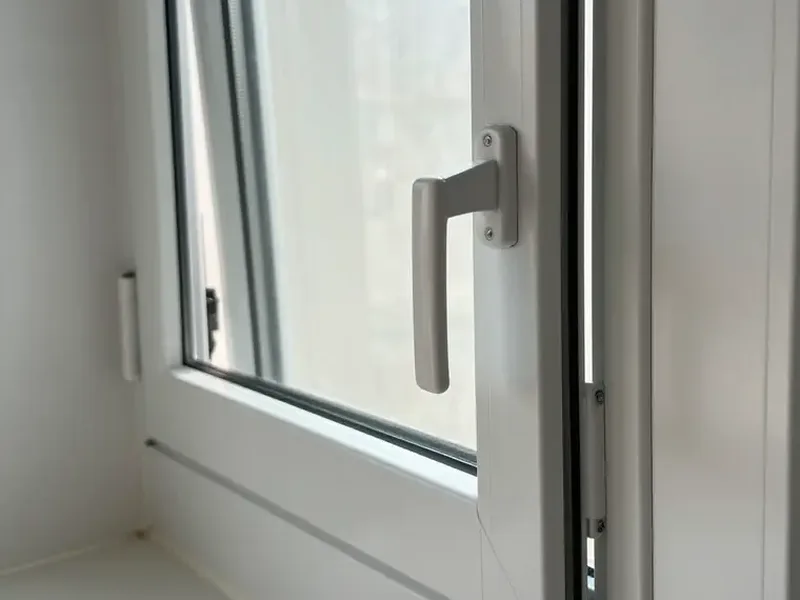 Window restrictors
 Metal grilles
 Transparent grilles
 Window blockers
 Window handles
