
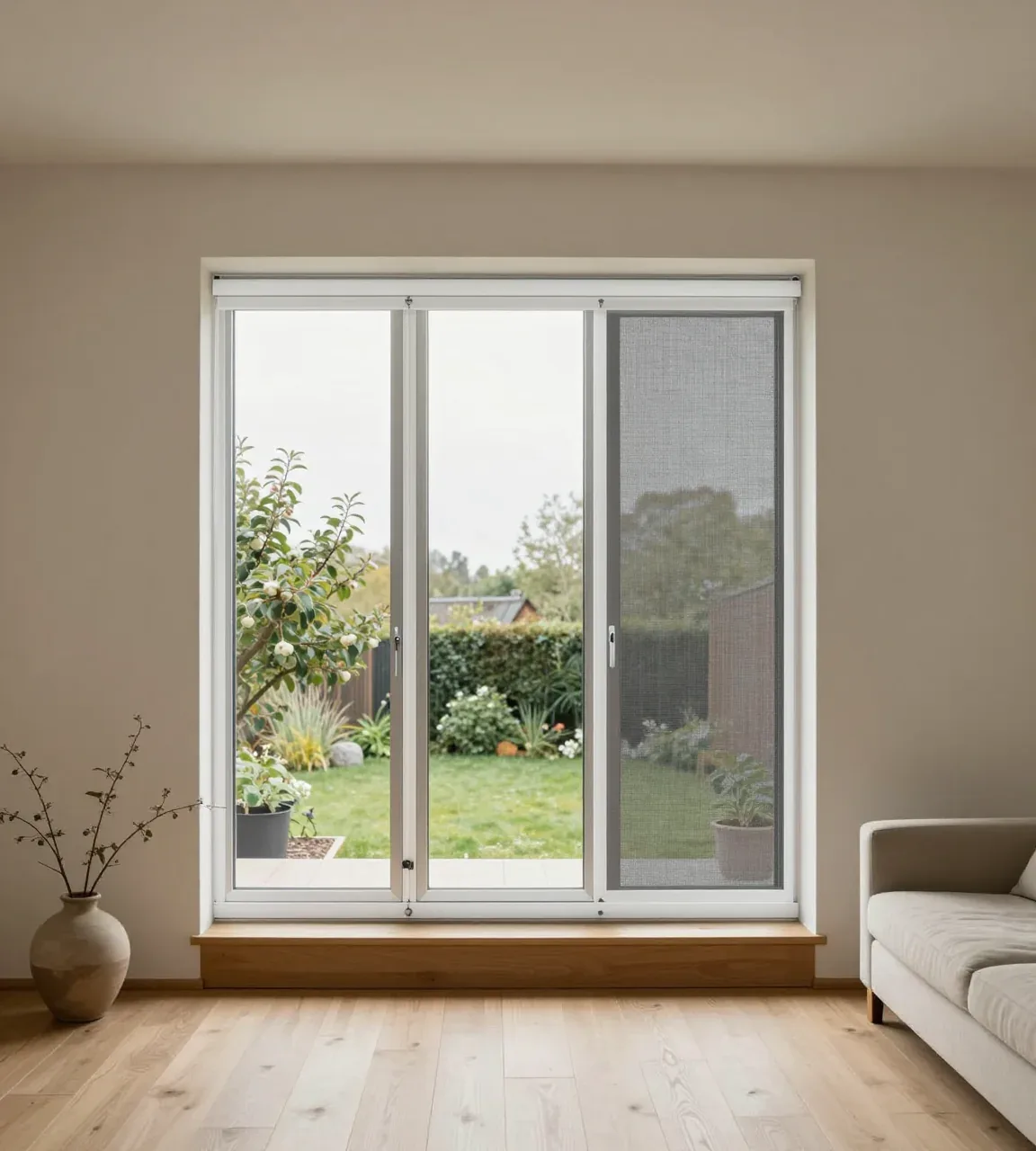
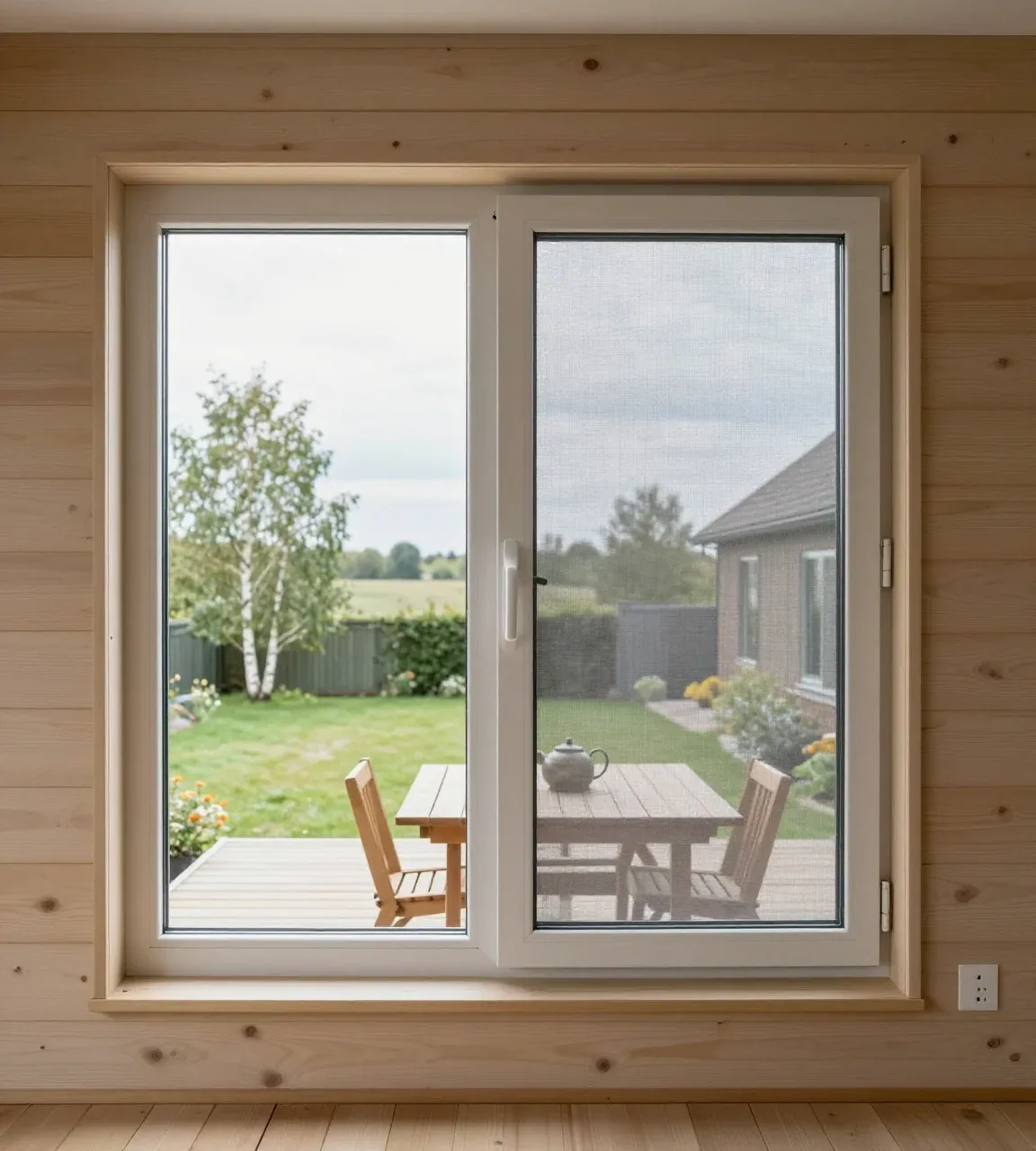
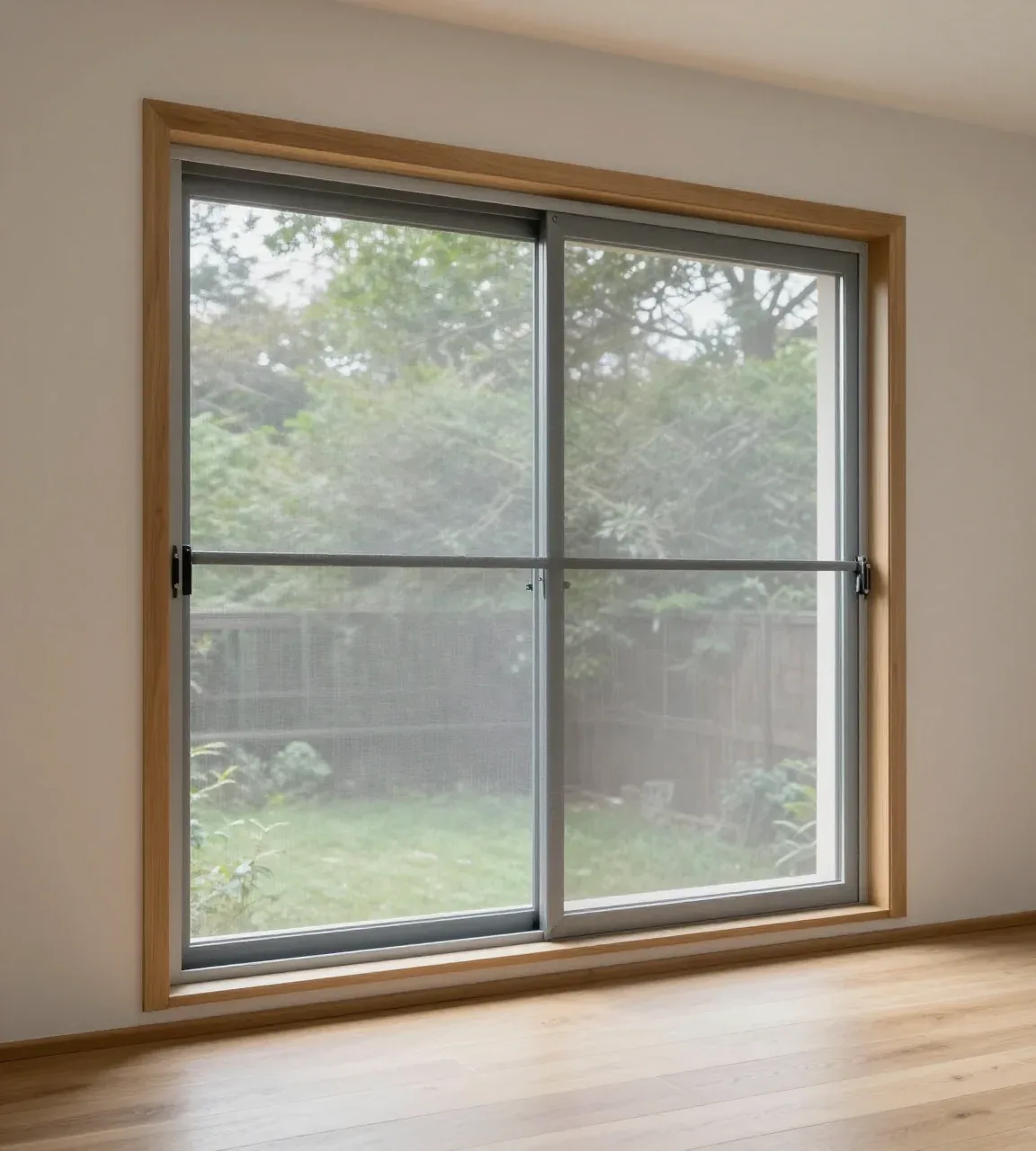
Veranda window
Frame
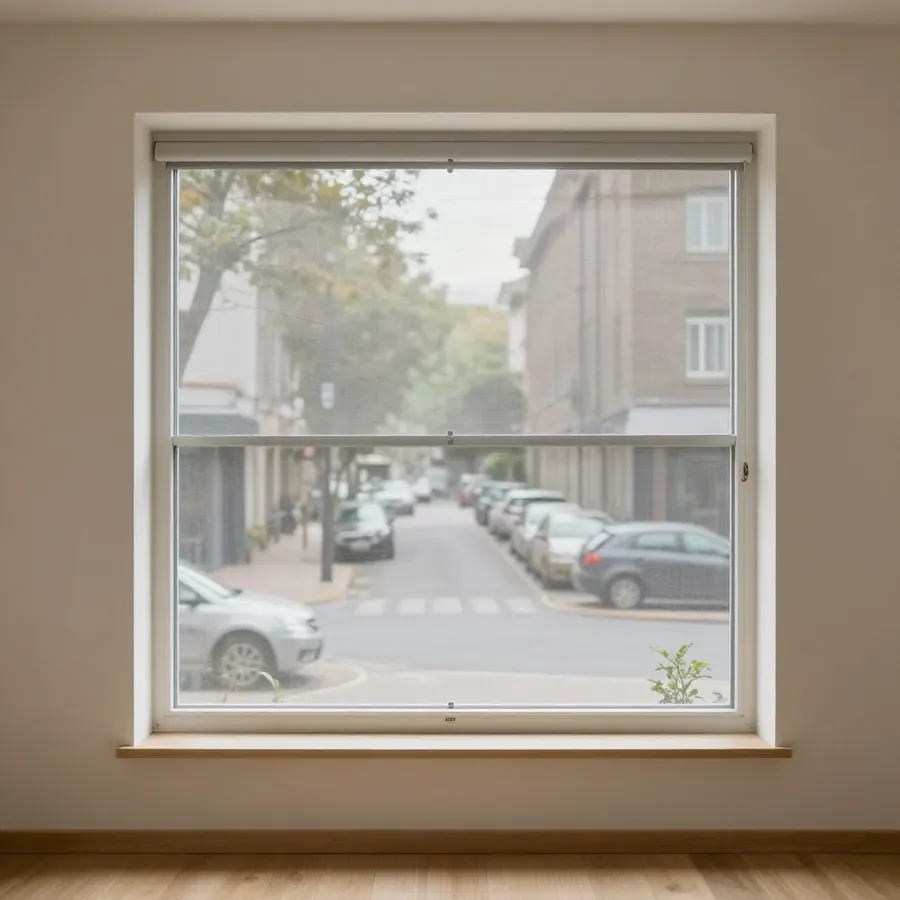
Lightweight frame exactly to the opening, installed in spring, removed in autumn. From 6 900 ₸ per m².
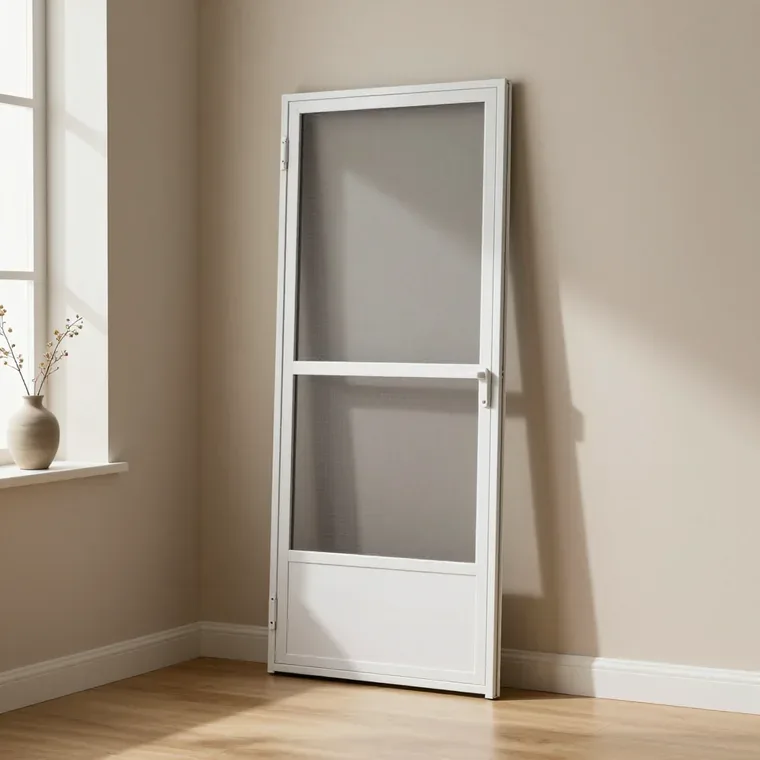
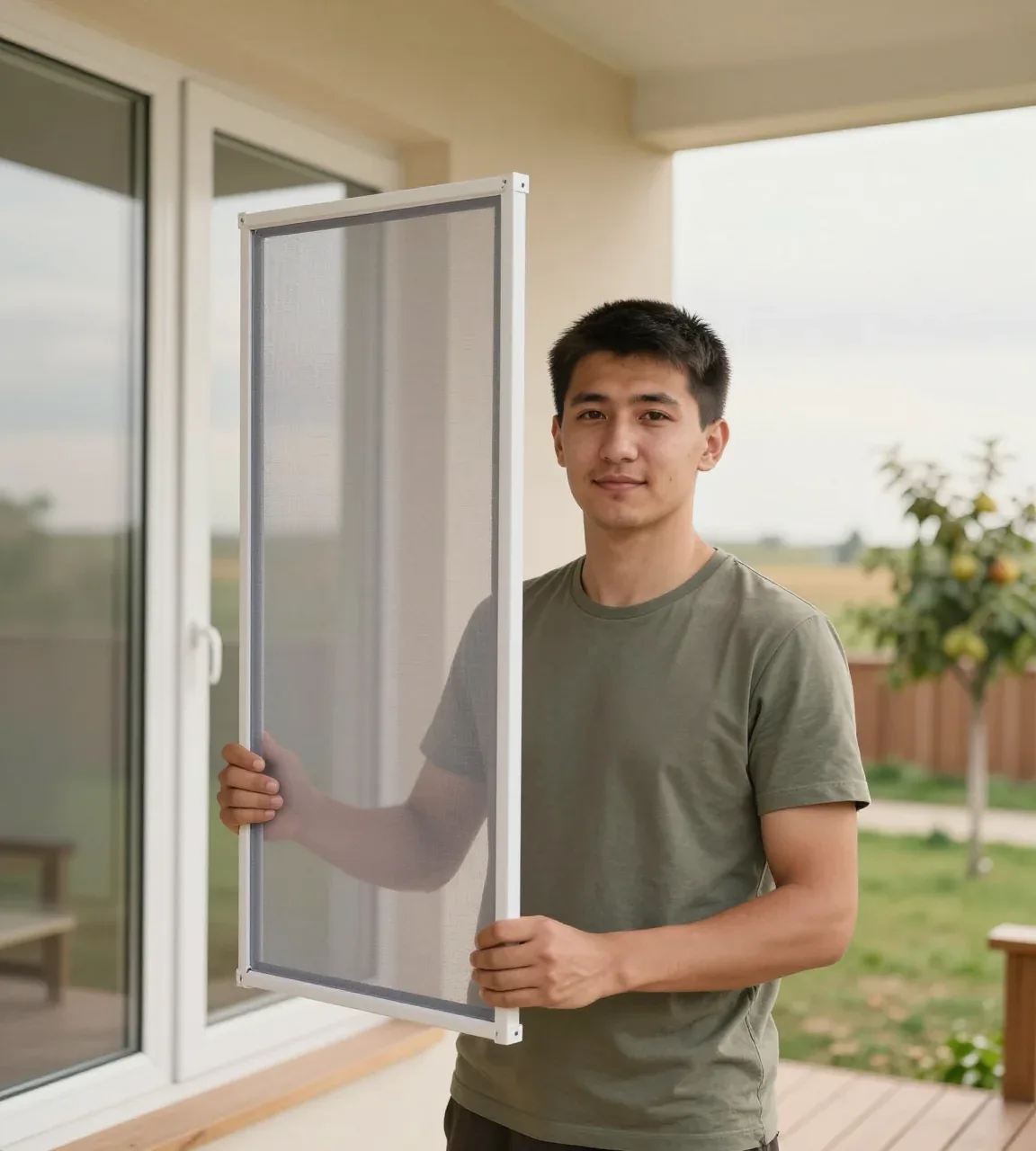
Window, door, double exit to the garden and sliding sashes — each opening gets its own design.
The measurer walks around the entire terrace and records each opening: windows get frames, the door gets a hinged mesh door, the double exit gets pleated, sliding sashes get a sliding mesh. We paint the profile to match the frame color.
The Tobol River is nearby, and in summer there are many mosquitoes by the water, while the steppe wind tears off homemade screens on buttons. Our frames are held by brackets or plungers and withstand gusts easily.
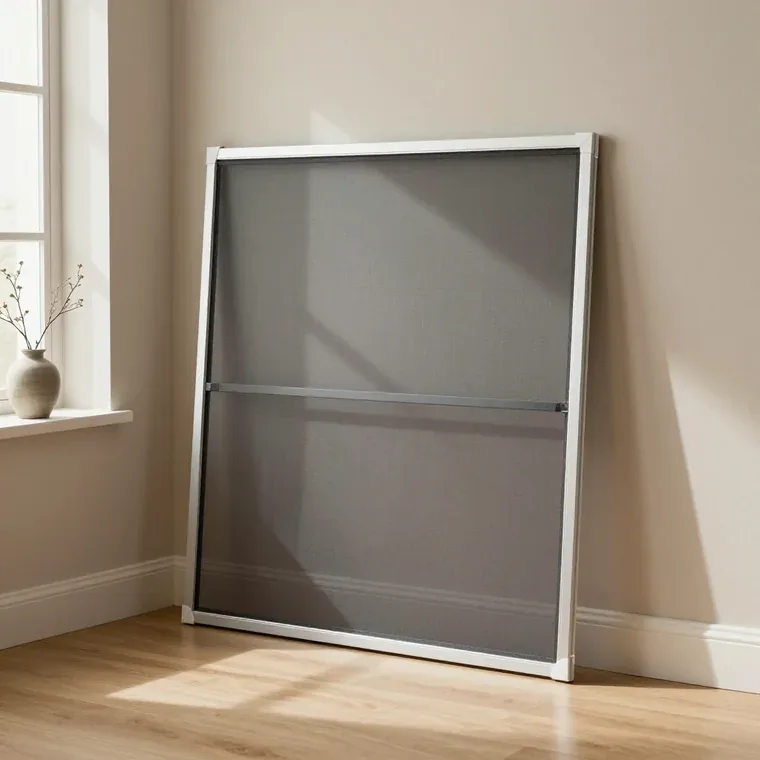
production of one frame
measuring of all openings
warranty on mosquito screens
Choice depends on the frame and how often the mesh is removed.
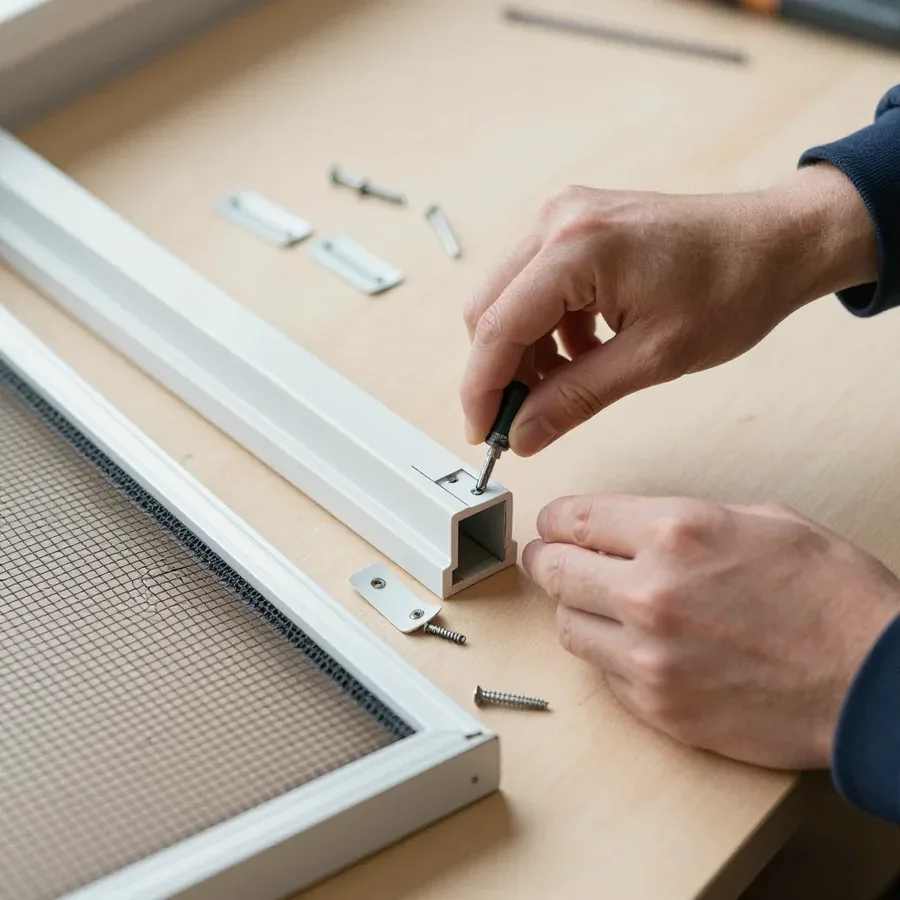
The simplest option: the frame sits on Z-brackets and is removed from inside.
Spring-loaded pins hold the frame in the opening if the terrace is exposed to wind.
For sashes that are opened dozens of times a day.
For doors: profile "Econom" 32×10 or "Prestige" 42×17 mm.
From a light frame to a sliding system.
windows
Removable frame to size, stored indoors in winter.
entrance
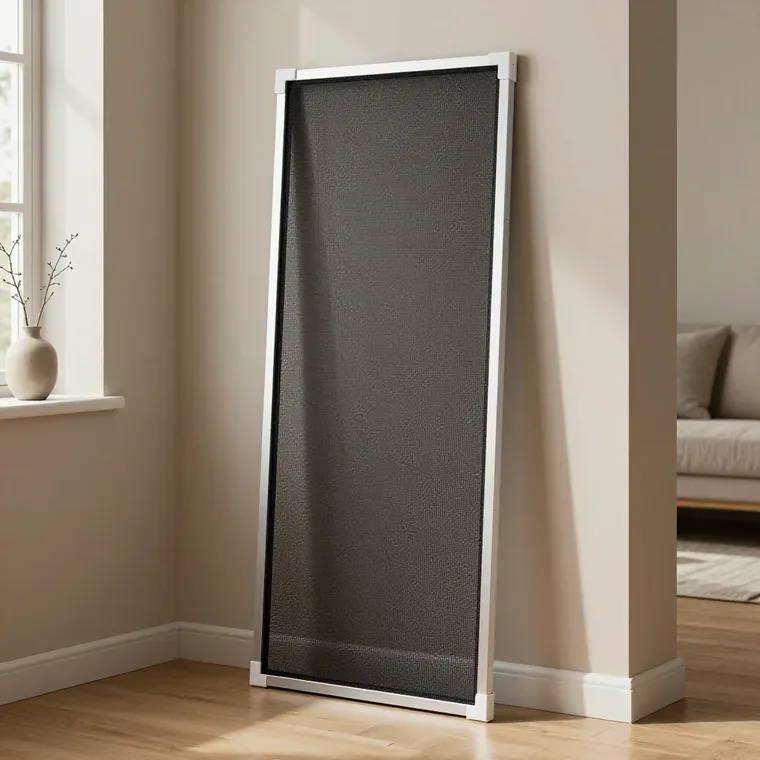
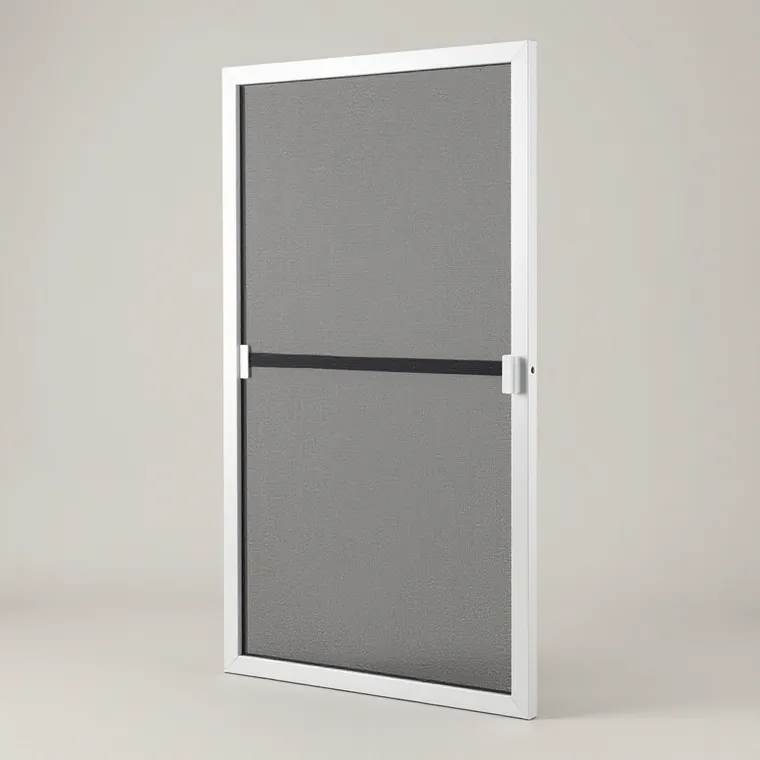
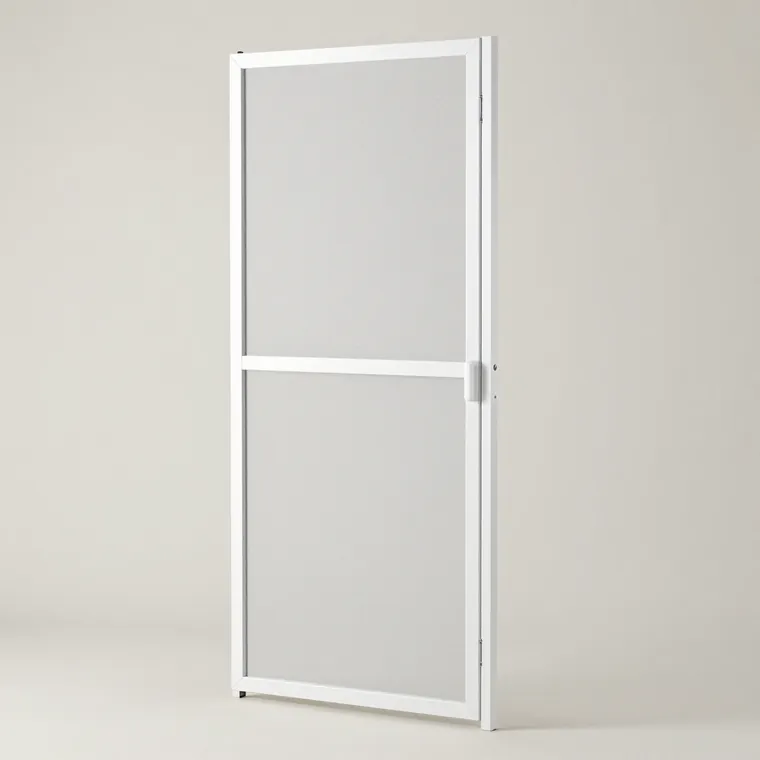
Hinged, with handle and closer.
double exit
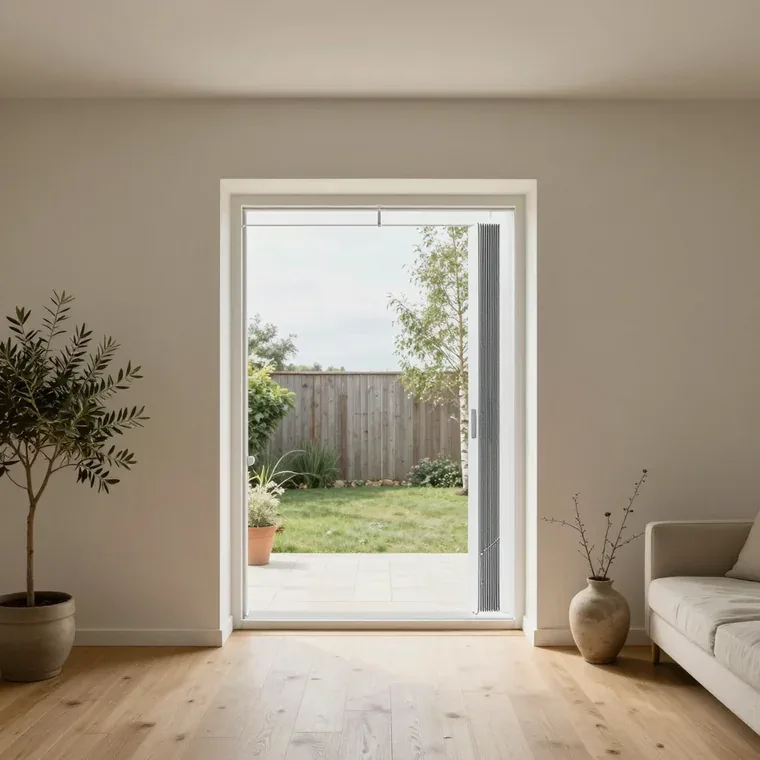
Folds to the side like an accordion.
sliding sashes
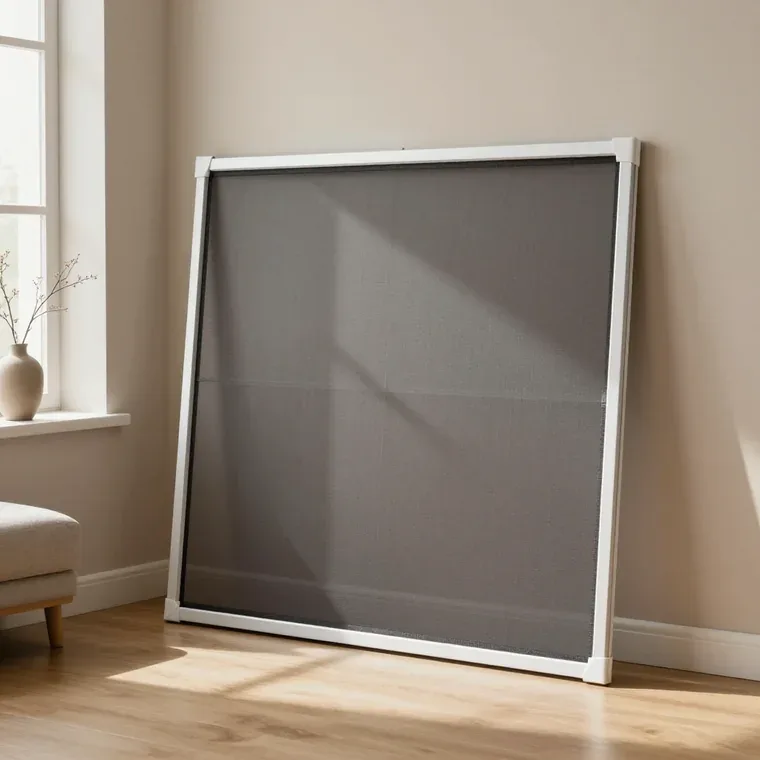
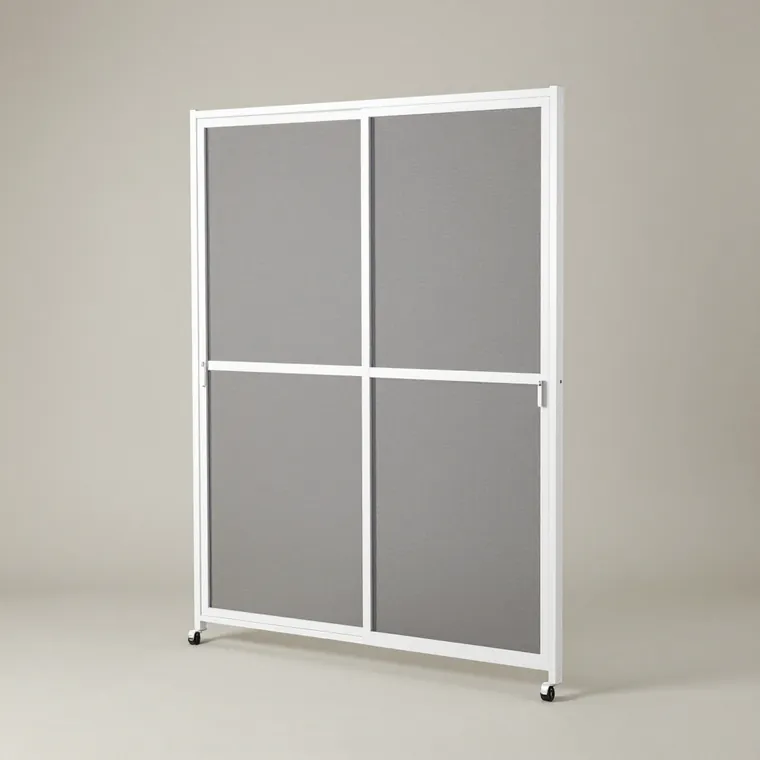
Moves on guides next to the sash.
open terrace
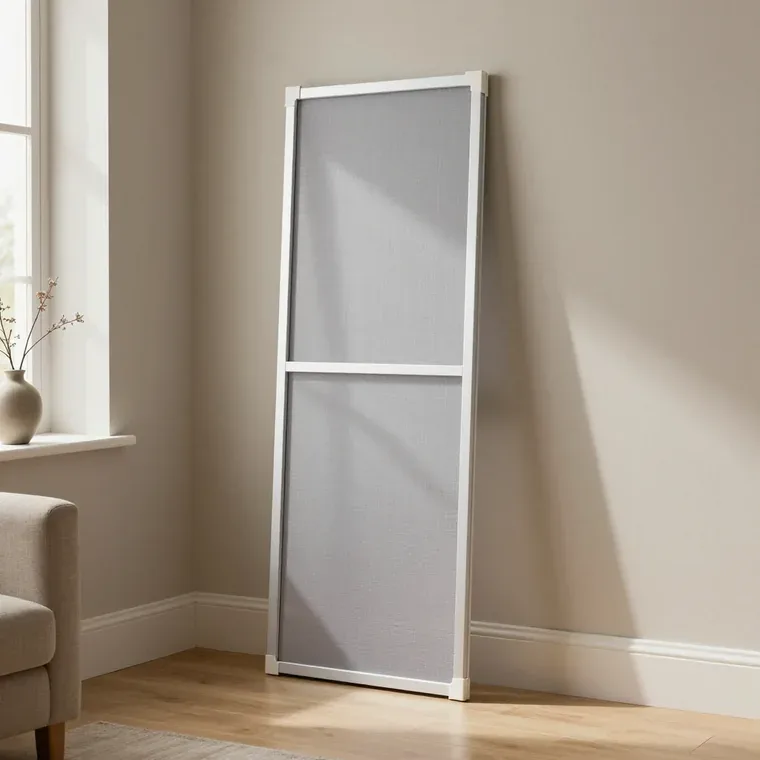
Mesh in tires, wind does not blow it out.
Five meshes for different needs: from mosquito protection to a barrier against pollen and cat claws.
Fiberglass, basic option
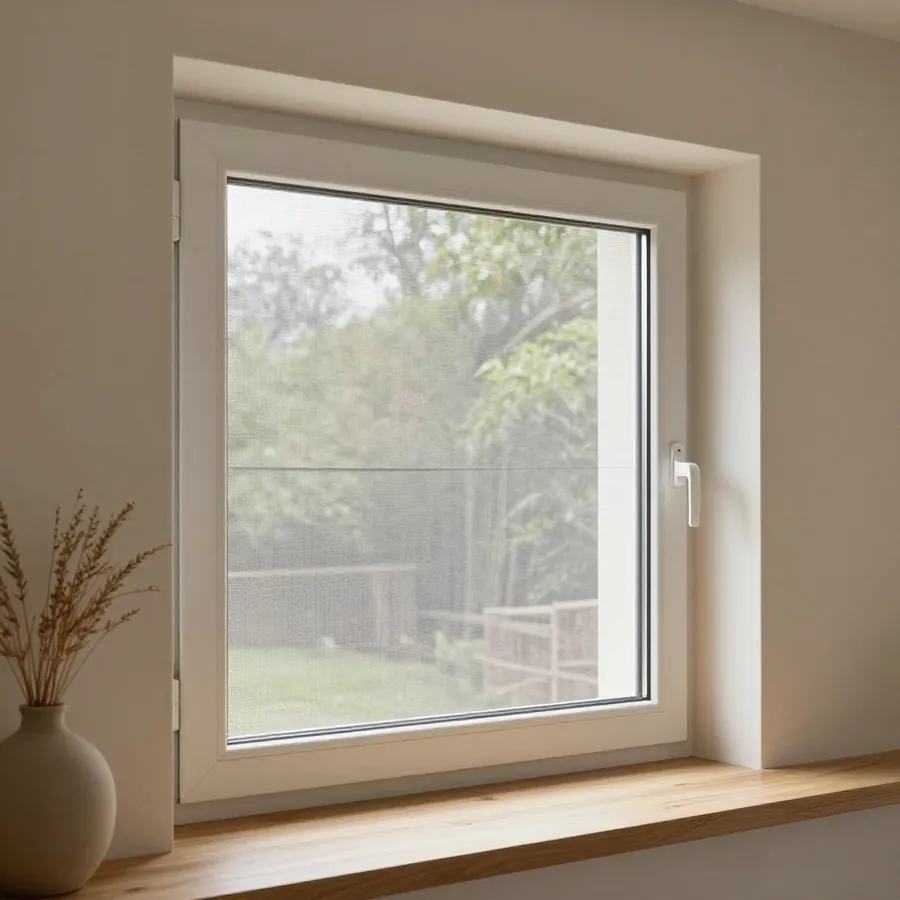
Resistant to fire and temperature changes. Suitable for most sashes.
0.25×1 mm cell, hypoallergenic
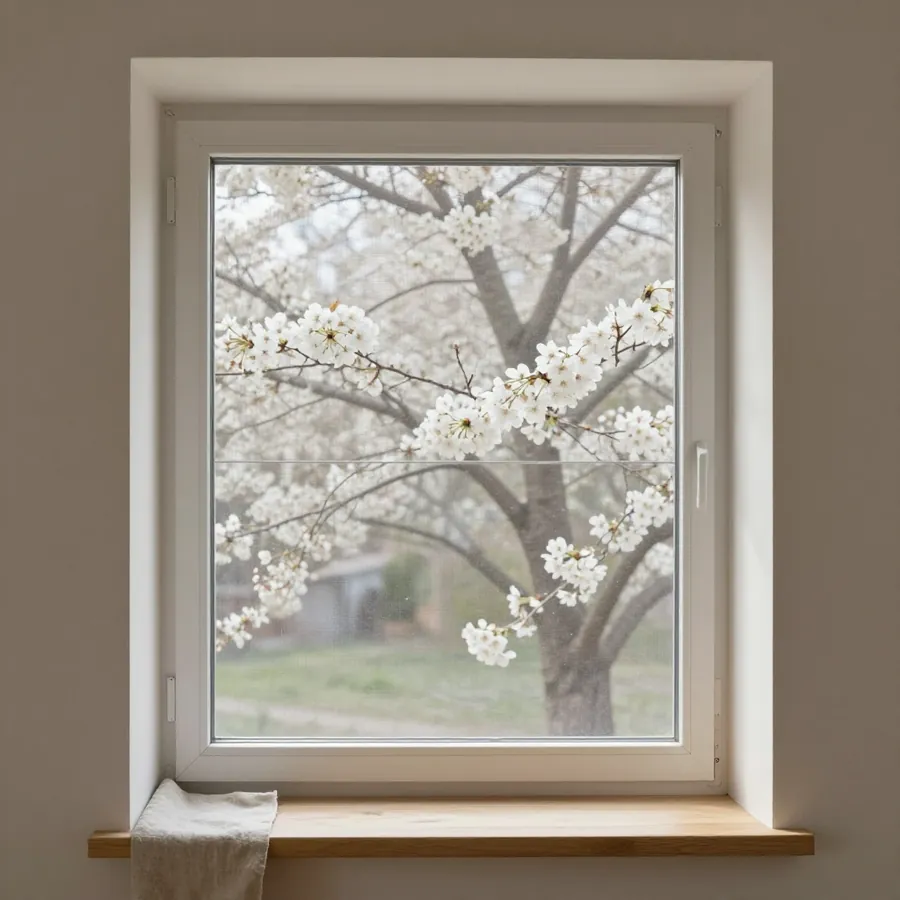
Poll-Tex traps pollen during the flowering season. A choice for children's rooms and allergy sufferers.
Reinforced vinyl threads
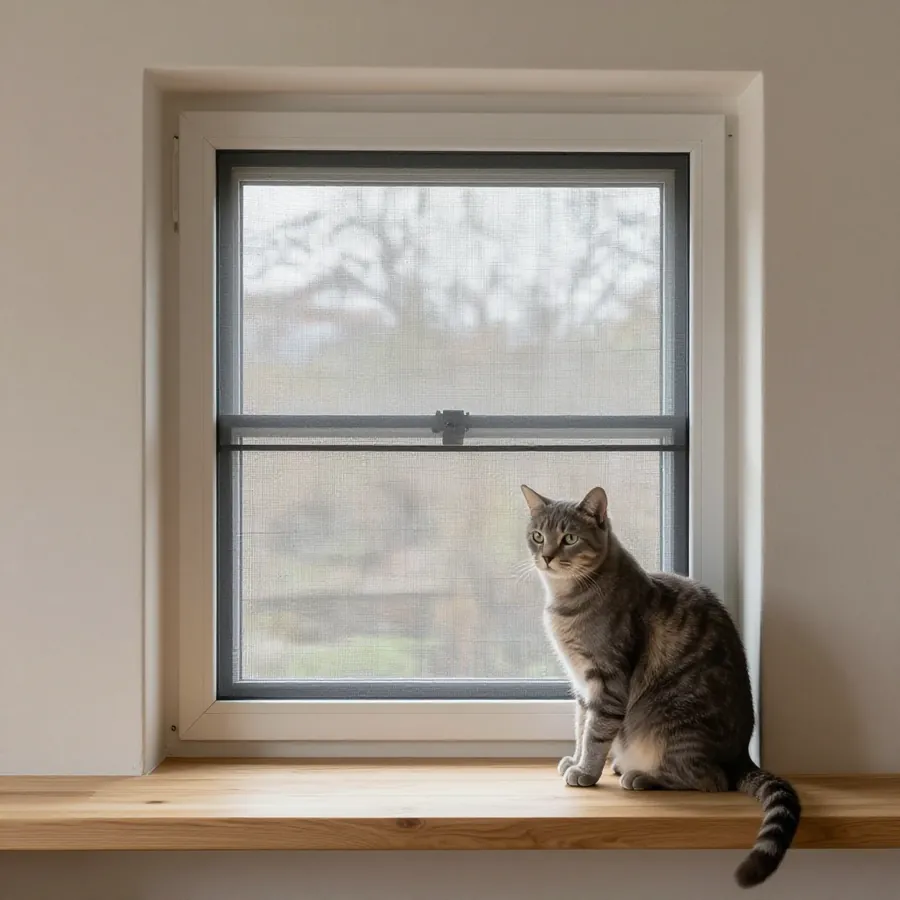
Several times stronger than a standard mesh, it can hold the weight of a small pet.
Traps road dust
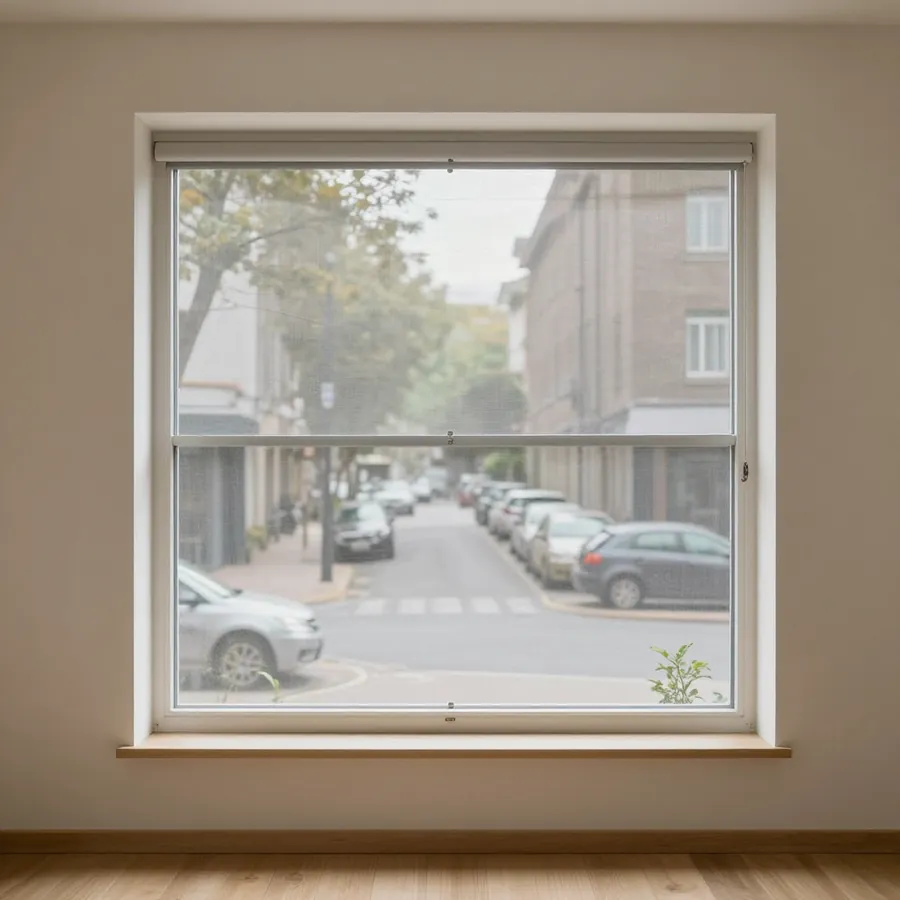
Denser than standard, less dust settles on the windowsill. For windows on busy streets.
25% more light and air
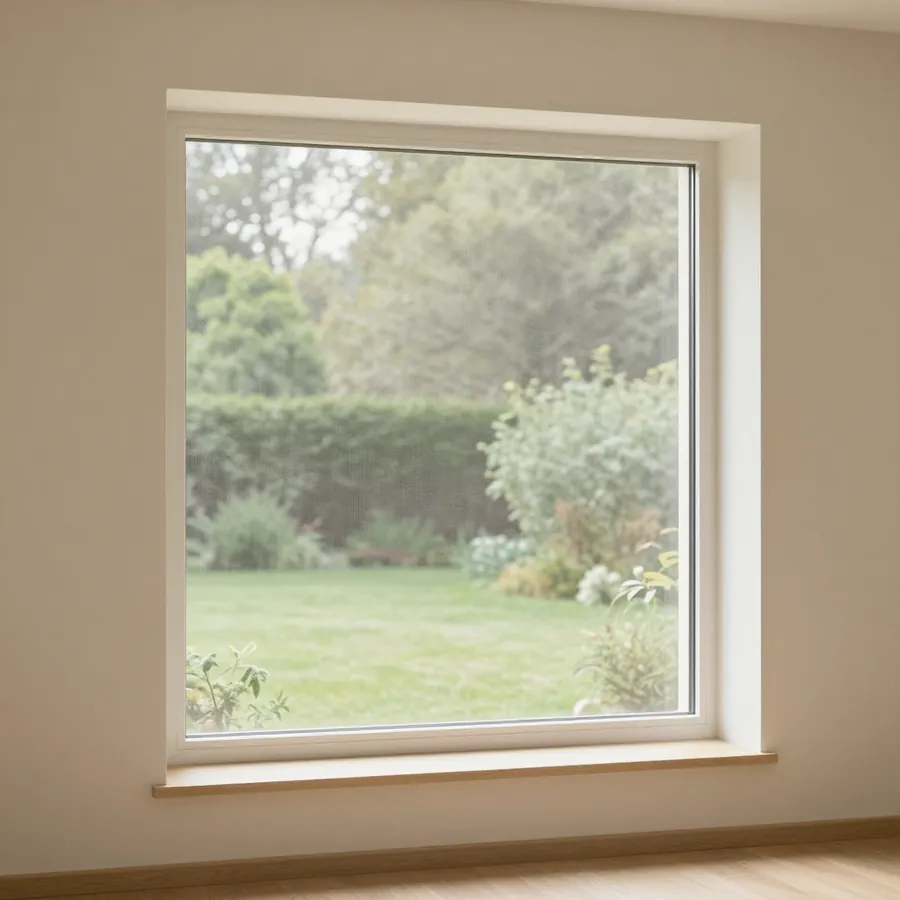
The cells let through more light than other meshes. For rooms where you don't want to darken the window.
Framed, sliding, door and pleated screens. Our measurer will choose the right design for your opening free of charge.
Full price listThe amount depends on size and type of mesh, the measurer will calculate it on site.
| Screen type | Price | Options and prices | ||
|---|---|---|---|---|
| Frame with meshfor veranda window | from 6 900₸ per m² | |||
| Mesh for soft windowsfilm | from 10 500₸ per m² | |||
| Mesh doorhinged | from 15 200₸ per item | |||
| Door in reinforced profile42×17 mm | from 19 500₸ per m² | |||
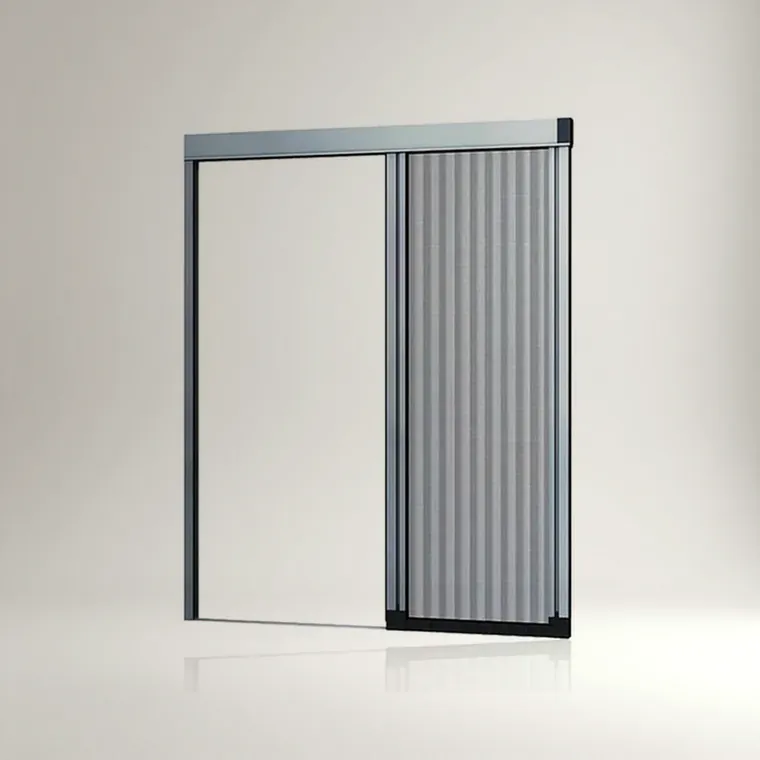 Pleated doorno threshold | from 32 000₸ per item | Pleated for exit · 43 500 ₸ per m² | ||
| Sliding meshsliding | from 17 400₸ per m² | |||
| Roller doorcassette on top | from 18 400₸ per m² | |||
| Steel meshdurable mesh | from 11 500₸ per m² | |||
| ZIP meshfor open terrace | from 50 000₸ per m² | |||
| Installation of one meshfitting | from 1 600₸ per item |
Price is fixed in the order after measuringMeasuring and consultation are freePayment after installation: cash, card, Kaspi
Call a measurerEnter the width and height of the opening to get an idea of the price.
1. Screen type
2. Mesh and design
3. Opening size, cm
Our strengths.
that's how long production takes
pleated screen production
for every opening
to match terrace frames
for different needs
on mosquito screens
fitting, by a convenient method
we've been making screens
Simple and quick.

Send a photo of your terrace on WhatsApp and mark which openings need covering.
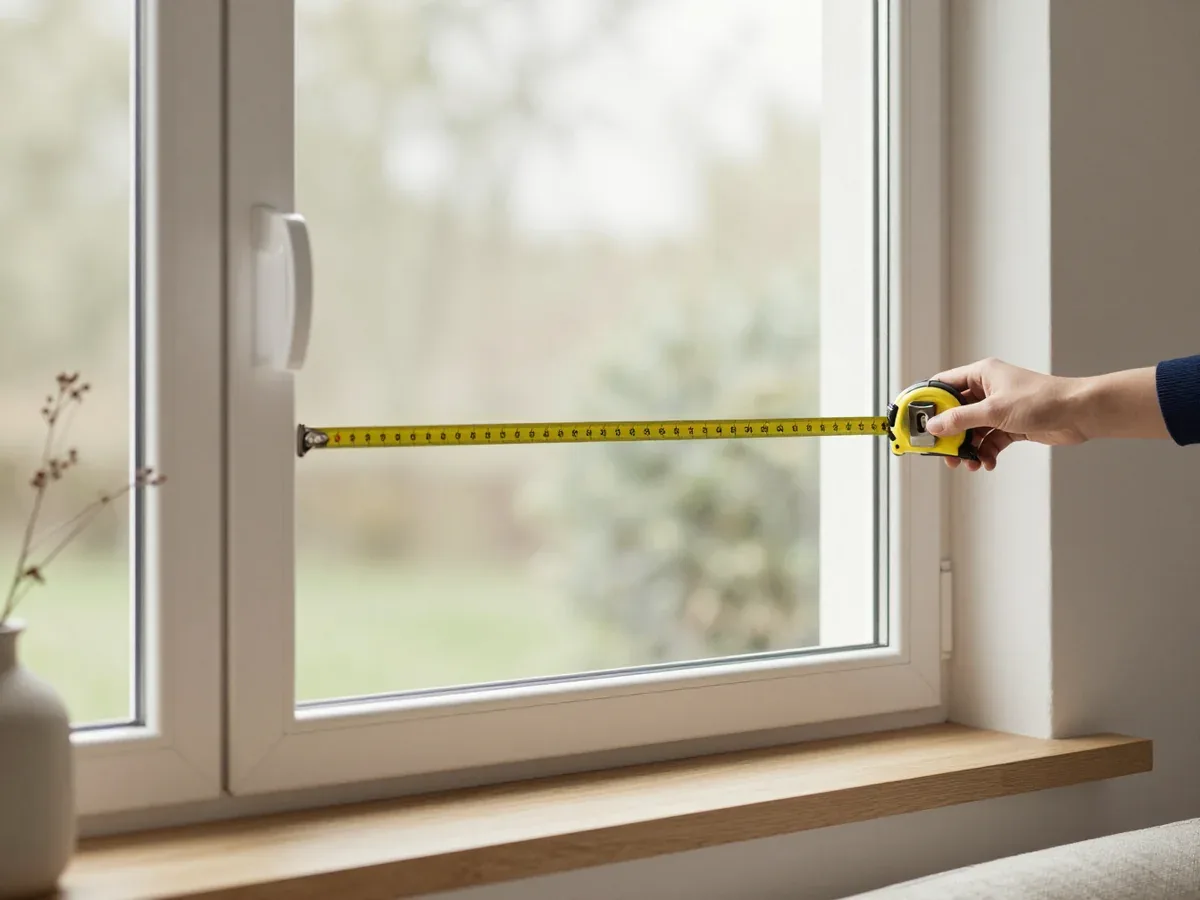
The measurer records the size of each opening and selects the fixings.
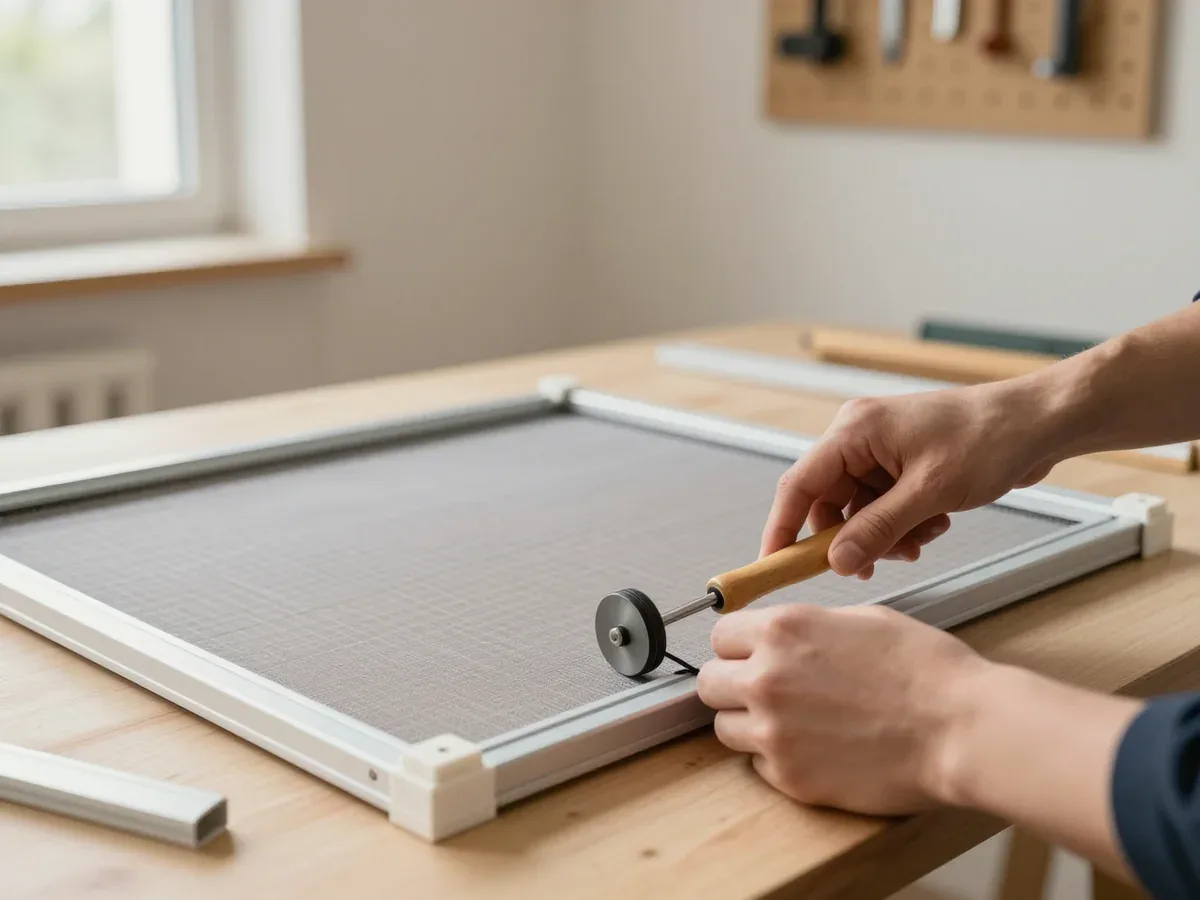
We make a frame in 10–15 minutes, a pleated screen in 40–60 minutes.
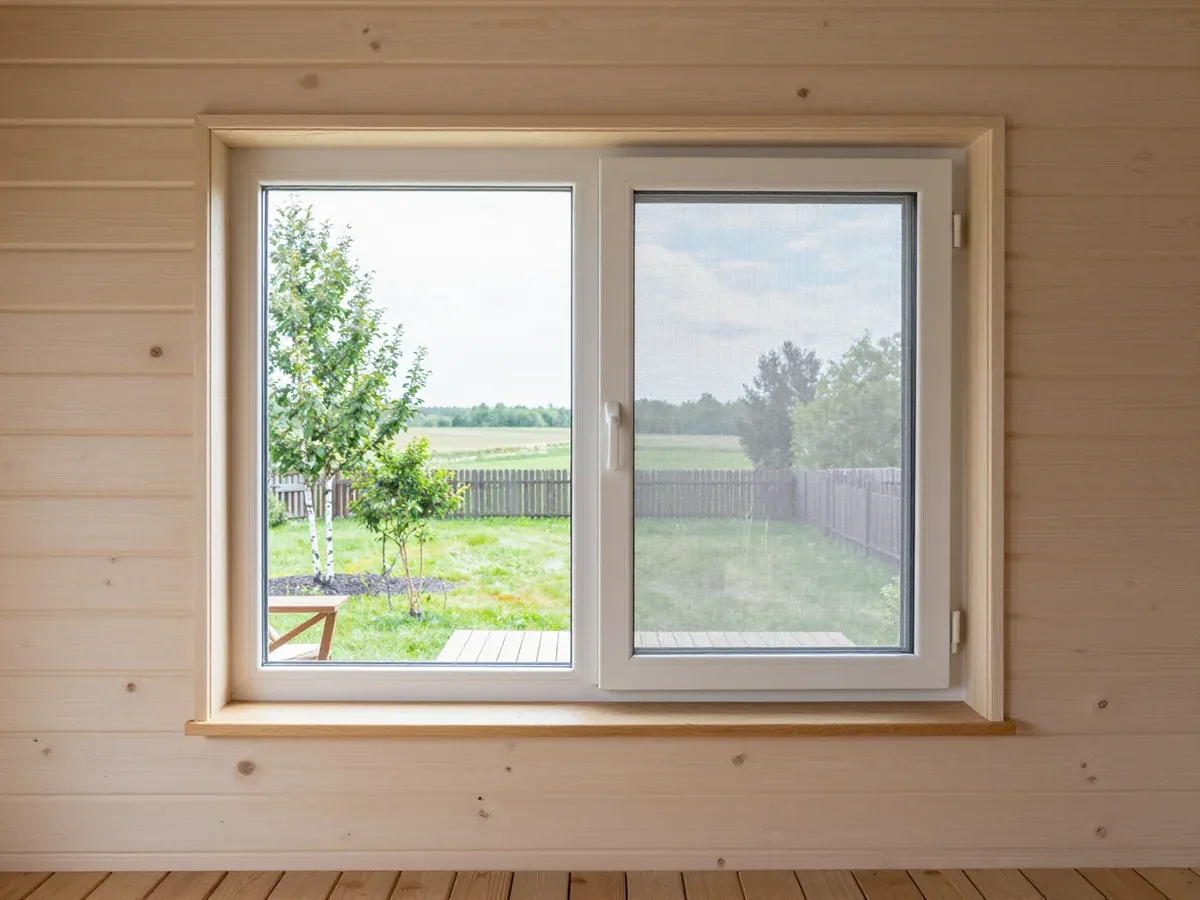
We put the screens in place, check them, and only then do you pay.
Good to know

Senior mosquito screen specialist at moskitnyesetki.kz
We make veranda mosquito screens in Kostanay to your exact opening, with free measuring and fitting by our own masters. Choose framed, pleated, sliding or roll-up designs, pick a mesh for pets, dust, pollen or extra light, and we paint the frame to match. You pay after installation, and every screen carries a 1-year warranty.
A veranda is not an ordinary window: the opening is larger, a door leads straight outside, and the fabric has to survive wind and daily traffic. Here are the four types we fit and the openings each one handles.
| Type | Best for | How it opens | Surround |
|---|---|---|---|
| Framed | standard veranda window | lifts out from inside | painted to match |
| Pleated | wide or odd-shaped span | folds like a concertina | slim track |
| Sliding | veranda door to the yard | slides sideways | Economy or Prestige |
| Roll-up | window you open often | rolls up into a cassette | compact housing |
A framed unit works well up to a normal window size, but on a very wide span we usually recommend pleated or sliding instead so the fabric stays taut. Our fitters put screens on plastic, wooden and aluminium windows, balcony windows, and the openings of gazebos and verandas, and the surround is painted any colour to match the woodwork. Veranda mosquito screens in Kostanay are measured and fitted to the actual opening, so the unit follows the size of your veranda rather than a standard window. On a big opening a single large panel is heavy to lift out and catches the wind, so splitting the span into two sashes or switching to a folding design keeps daily use easy. A framed unit also takes up space when you remove it for the season, which matters on a narrow veranda.
The fabric decides what the screen actually stops and how much daylight reaches the veranda. Below are the five canvases we fit and the task each one handles best.
For a veranda with a cat we fit Anti-Cat (Pet Screen), whose vinyl-coated threads are several times stronger than a standard canvas and hold the weight of a small animal. Standard (Fiberglass) resists fire and temperature swings but tears at the claws of an animal that climbs the frame, so it belongs on openings the pet never reaches. Anti-Cat keeps its weave under repeated pressure from paws and stays taut in a framed screen. Even a strong fabric is best paired with a framed or pleated design the animal cannot push through at the bottom edge, so ask the measurer to check the lower fixing.
| Mesh | Solves | Key detail |
|---|---|---|
| Standard (Fiberglass) | everyday insects | fire and temperature resistant |
| UltraVue | dark veranda | 25% more light and air |
| Anti-Cat (Pet Screen) | pets | vinyl threads, extra strong |
| Anti-Dust | road dust | tighter weave |
| Anti-Pollen (Poll-Tex) | pollen season | 0.25×1 mm cell |
A veranda can be timber, aluminium or plastic, and the fixing has to match the material as much as the window itself. Here is how the mount is chosen and how the panel comes off for the cold months.
Our measurer picks the fixing to suit the window profile and the floor, choosing between Z-shaped brackets, pins (plungers) or magnets so the panel holds on wood, aluminium or plastic. Z-brackets grip the outer profile and keep the panel square on tall openings, pins sit in drilled seats where the sash has a narrow return, and magnets let you lift the panel off without tools. On a timber structure the fixing has to bite into the wood rather than the frame edge, so the measurer checks the material before deciding on brackets or pins. The same visit settles the frame colour and the mesh, and the price is fixed in the order once the sizes are taken. Ask the measurer to show you the chosen fixing on the spot — a bracket that suits an aluminium profile can split seasoned timber.
A framed panel lifts out from inside in about a minute, and we recommend removing it for the winter so snow and ice do not strain the mesh and surround. Pleated and roll-up panels stay in their guides and simply retract, so they need no seasonal removal at all. Store it flat rather than leaning it on a corner, because a bent unit is harder to refit than a stretched mesh is to replace. Label the panels by opening if you take down several, since frames made to size fit only their own window. Before the first frost, wipe the fabric with a soft brush and check the pins or magnets are still seated. If a fastener loosens over the season, we replace the fittings and repair the unit.
A veranda visit is about more than taking sizes. The measurer reads the opening, checks the fixings and helps you settle on mesh and frame colour before anything is cut.
Measuring and consultation are free, and the measurer comes at a convenient time, takes the sizes and helps choose the design, mesh and fixings for your opening. He works on the spot with a tape and a level, checks how the unit is fixed to the wall, notes the sill depth and looks at where the panel will swing or slide. On a wooden veranda he looks for knots and movement in the boards; on aluminium he checks the profile width so the brackets sit flush. If the span is angled or the trim is uneven, he measures the actual opening in several points rather than one standard figure. For an odd-shaped or angled span the measurer works from the actual opening rather than a standard size, so bring up any slope or trim before the order is fixed.
We paint the screen surround any colour to match your windows, so it blends into a wooden or aluminium veranda instead of standing out. You can point to the window profile, a paint sample or a piece of trim, and the workshop mixes the shade to that reference rather than picking from a short list. On a timber veranda the usual choice is a warm tone close to the existing stain, while on aluminium the match goes to the powder-coated profile colour. The surround is painted before assembly, so the corners and the edges around the mesh get full coverage. Matching the surround to the window trim rather than the wall usually looks cleaner, because the screen sits against the trim line, not the wall surface.
After measuring, most people want two things: how long the wait is and what happens if something goes wrong. We put the timelines, repair options and warranty terms in one place so you can plan the visit.
A framed screen made to your size takes 10–15 minutes and a pleated screen 40–60 minutes, and we deliver and fit these on windows and doors. The surround is cut and assembled to the measured size on the spot, so the profile, mesh and fixings come together in a single pass rather than a factory queue. For a standard veranda window this often means the opening is closed during the same visit. A wide pleated span needs the longer slot because the folding stack and its track are built and tensioned by hand. We reply on WhatsApp within five minutes if you want to confirm which slot your opening falls into before the fitter arrives.
We repair screens and replace fasteners, and every mosquito screen carries a 1-year warranty covering the work and the parts we fitted. A torn mesh, a bent corner or a worn plunger is usually a repair rather than a new unit, and replacing the fasteners alone brings a loose panel back to a firm fit. Send a photo on WhatsApp before assuming the whole frame needs replacing — we reply within five minutes and can tell from the picture whether it is a mesh swap or a full rebuild. Rinse the mesh with water rather than scrubbing it, and take a framed one off from inside for winter so the mesh is not loaded with snow.
Four decisions shape a veranda screen — the opening, the mesh, the fixing and the winter routine — and all of them are settled at the measuring visit rather than later.
Choosing, comparing and repairing terrace mosquito screens
Konstantin Selenenkovsenior mosquito screen specialist, 10 years in the tradeOnline · replies within 5 minutes
Ask a questionFor a wide opening, a pleated screen is more convenient: the mesh folds up like an accordion and frees the passage. If you need a sliding option, a sliding screen works well — the panel moves to the side without taking up space.
A pleated screen slides and folds into a narrow accordion, so it suits doors and wide openings. A framed screen is fixed in place and simpler in design, but you have to remove it to pass through.
For a cat, choose "Anti-Cat": the vinyl threads withstand the weight of a small animal. Against dust and small insects, "Anti-Dust" with a fine mesh is better, and for allergies — "Anti-Pollen".
Small cuts and holes are usually repaired; for a large tear, we replace the mesh. We also check the fixings and install new ones if needed.
We make a pleated screen in 40–60 minutes. The exact time depends on the size and complexity of the design, but we usually stay within this interval.
Yes, we cover such openings with a custom-sized design: the measurer will take exact measurements and choose fixings for the timber or profile. A ready-made frame is not required; what matters is what to attach to.
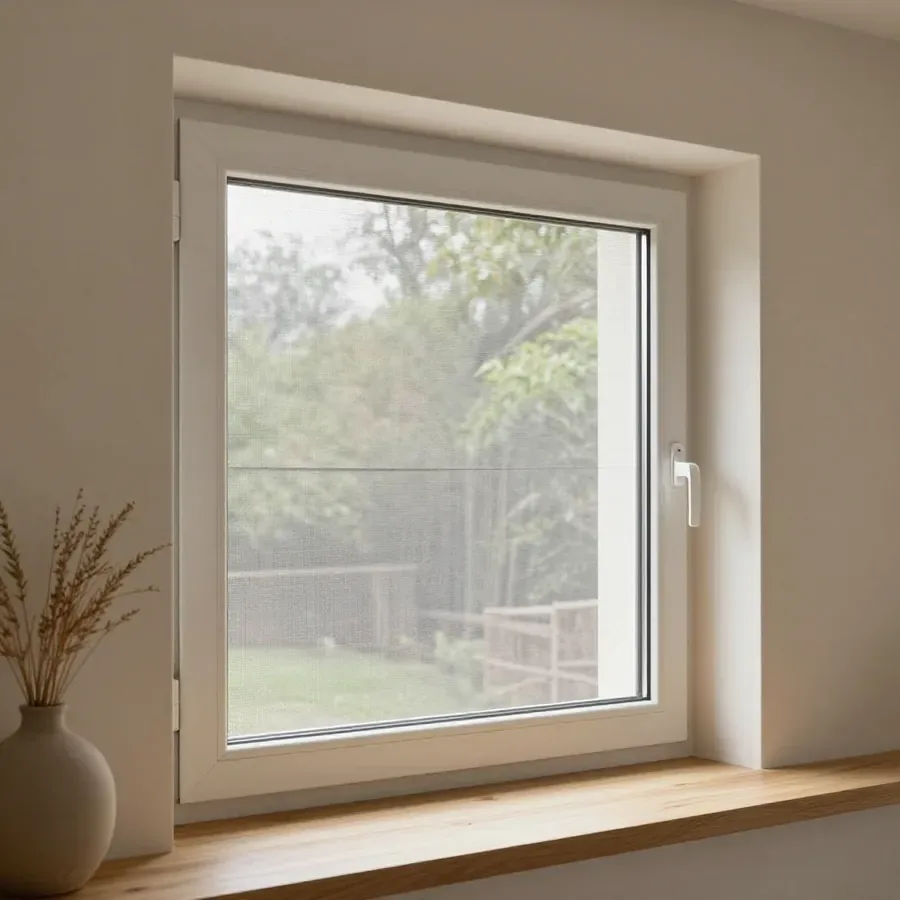 Care
A frame screen comes off in a minute: we show how not to bend the frame or lose the fixings.
April 15, 20268 min read
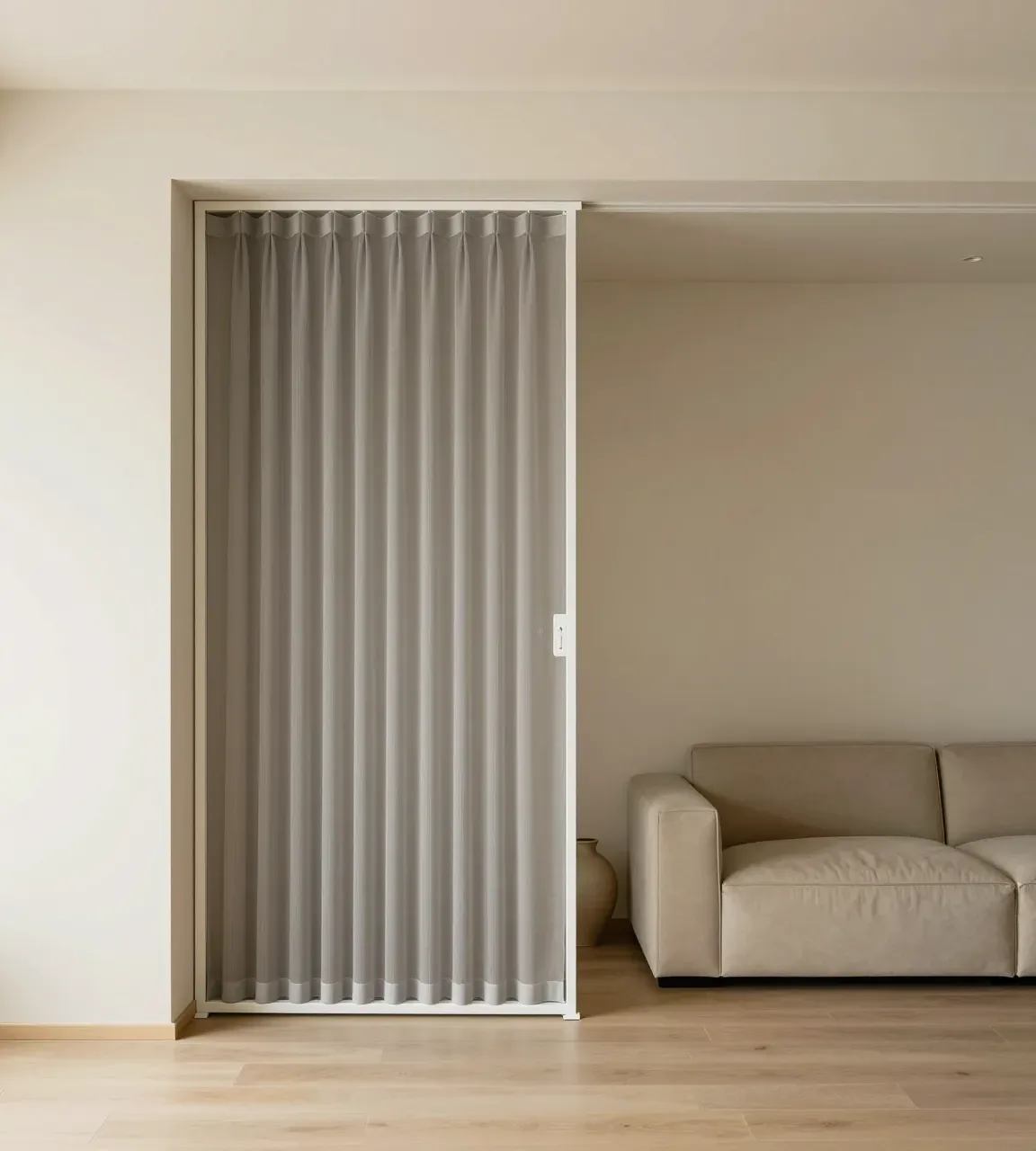 Choosing
We compare the price, lead time and how each screen performs on a door that you walk through every day.
March 2, 20268 min read
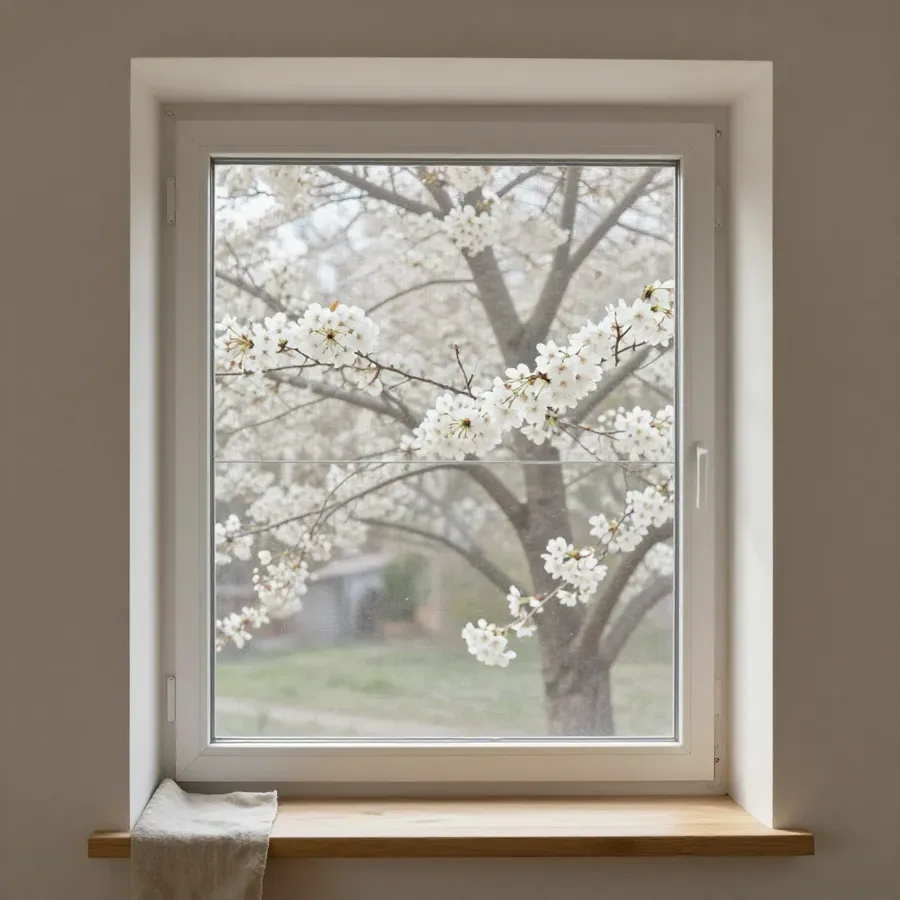 Mesh types
How Poll-Tex mesh with a 0.25×1 mm cell works and who it helps in pollen season.
February 17, 20268 min read
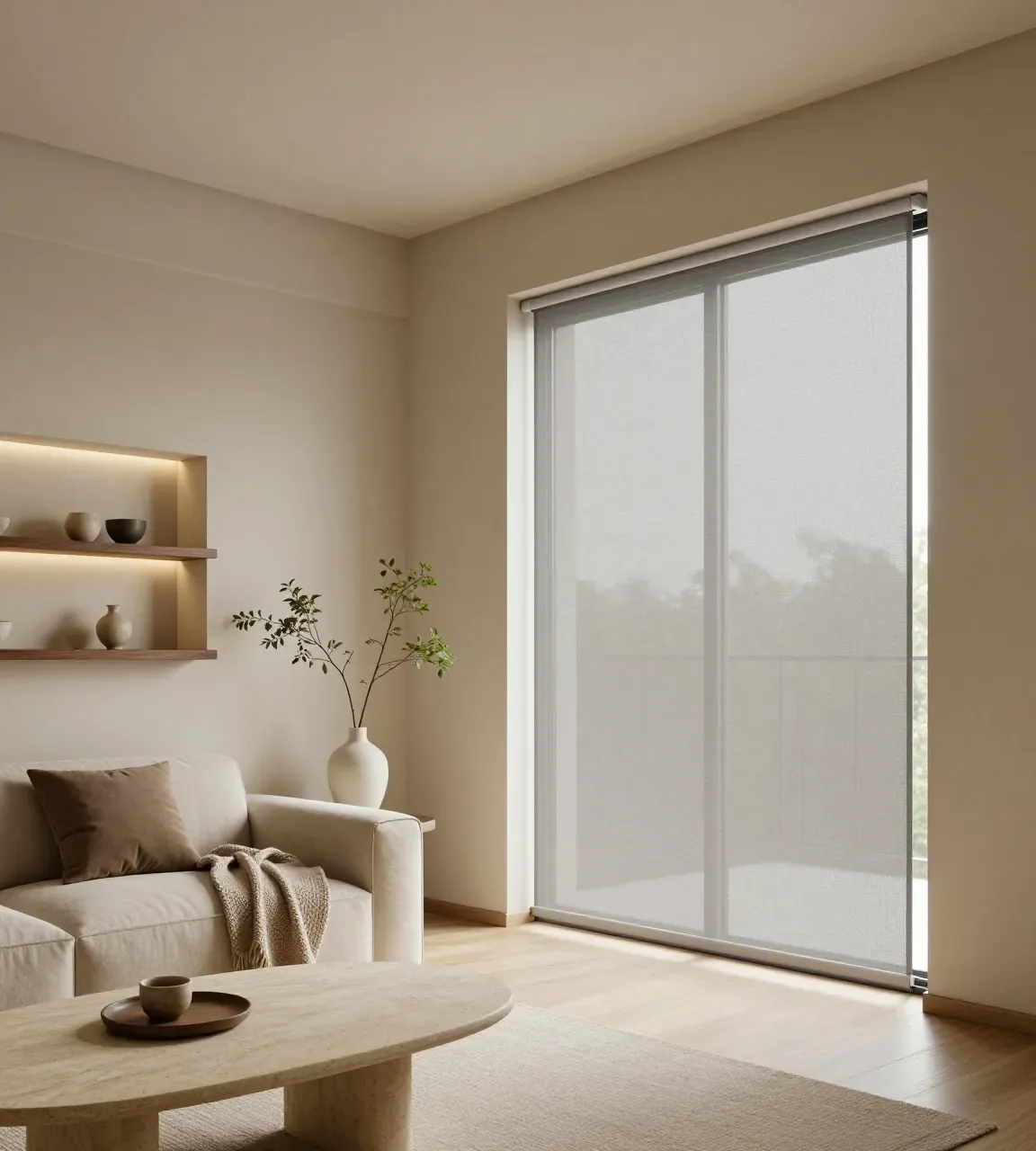 Prices
Price list breakdown: frame screen from 2 000 ₸ per m², installation 1 750 ₸, pleated from 28 000 ₸. Costing a 70×140 cm window.
February 1, 20268 min read
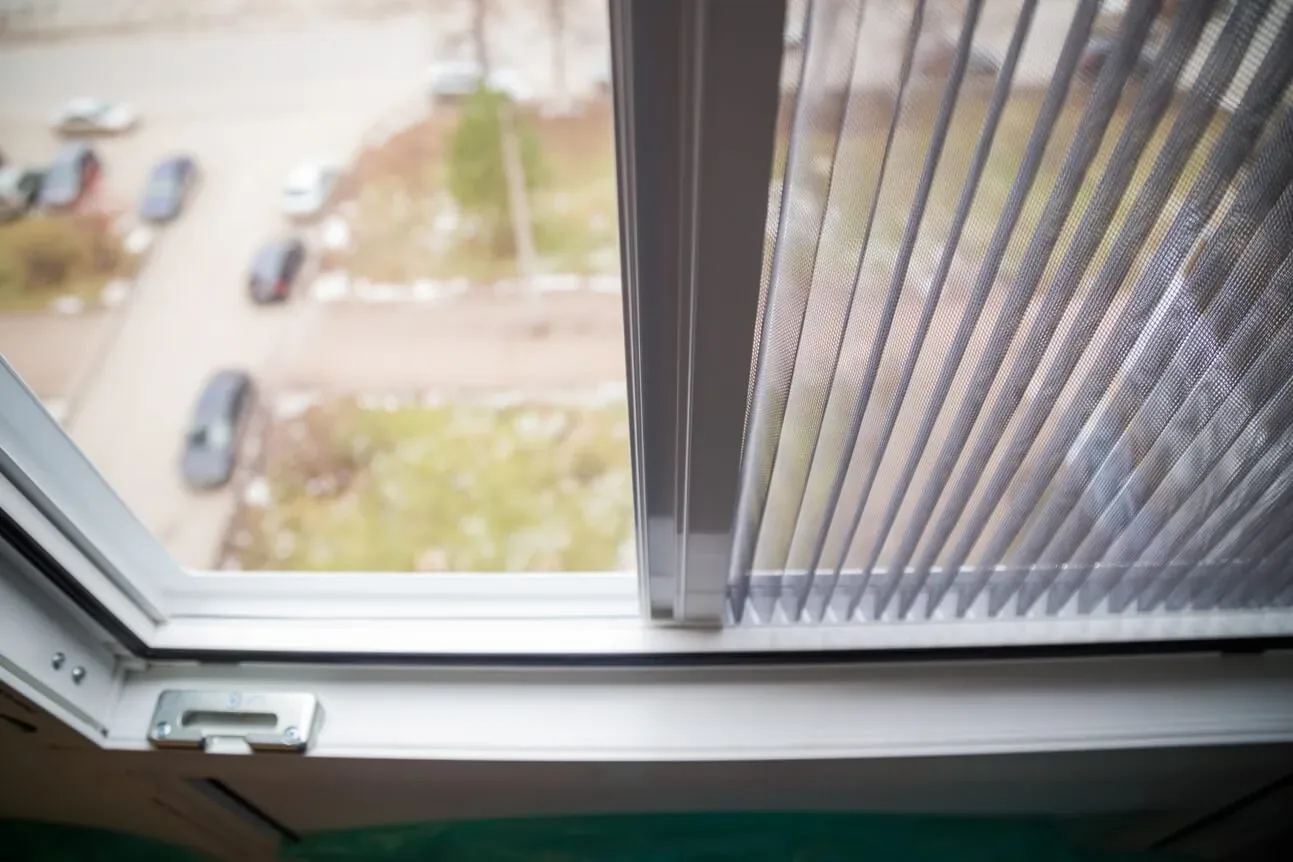 Repair
Worn fixings, a wrong measurement, wind on high floors. A set of fixings costs 290 ₸, installation 871 ₸.
January 14, 20268 min read
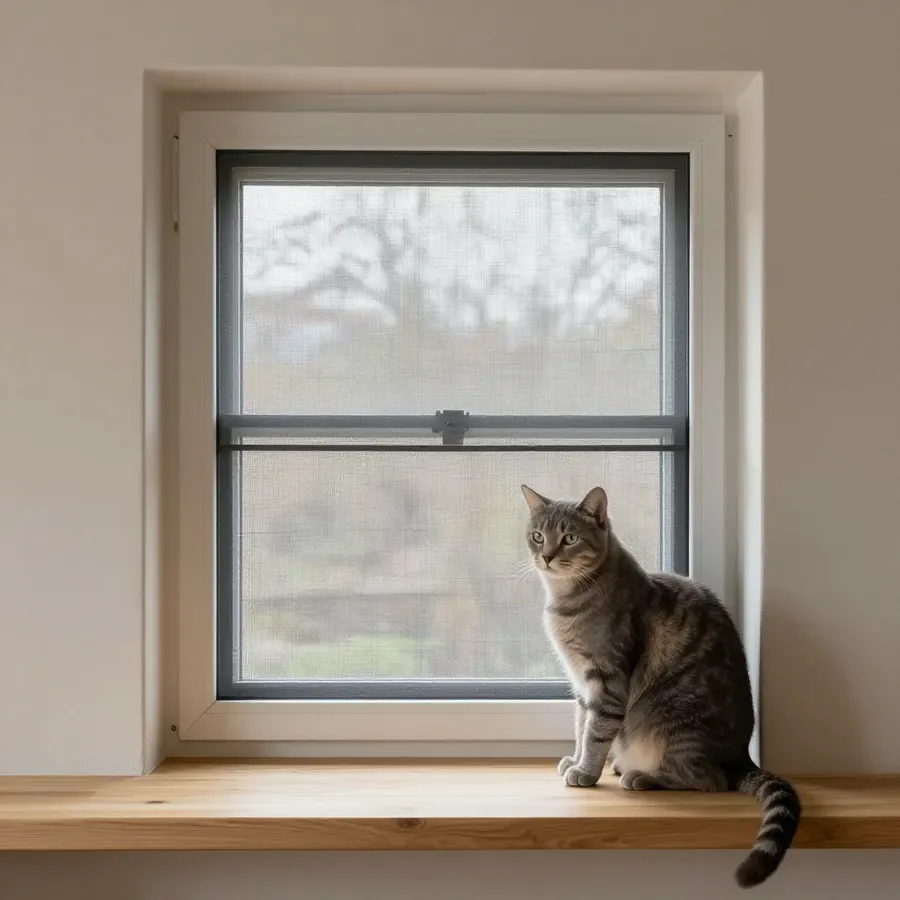 Choosing
Anti-Cat mesh on vinyl threads, the fixings and what to do about gaps around the window opening.
December 23, 20258 min read
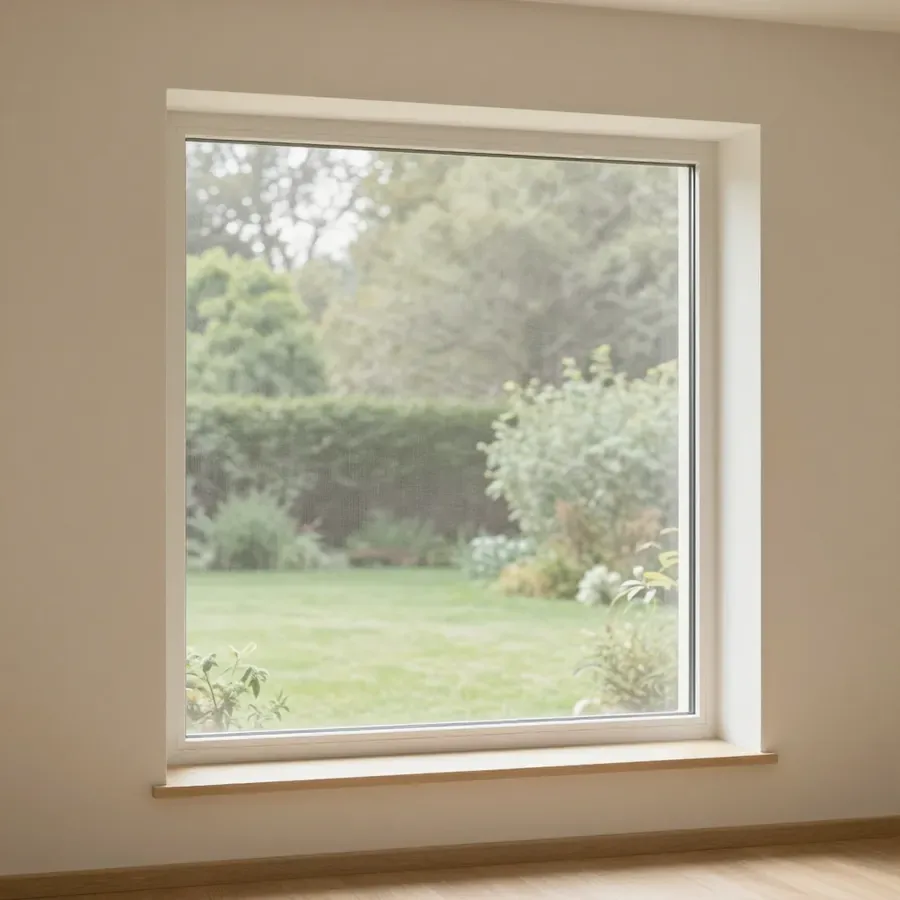 Mesh types
The mesh lets in 25% more light and air. Where the difference shows and where paying extra is not worth it.
December 11, 20258 min read
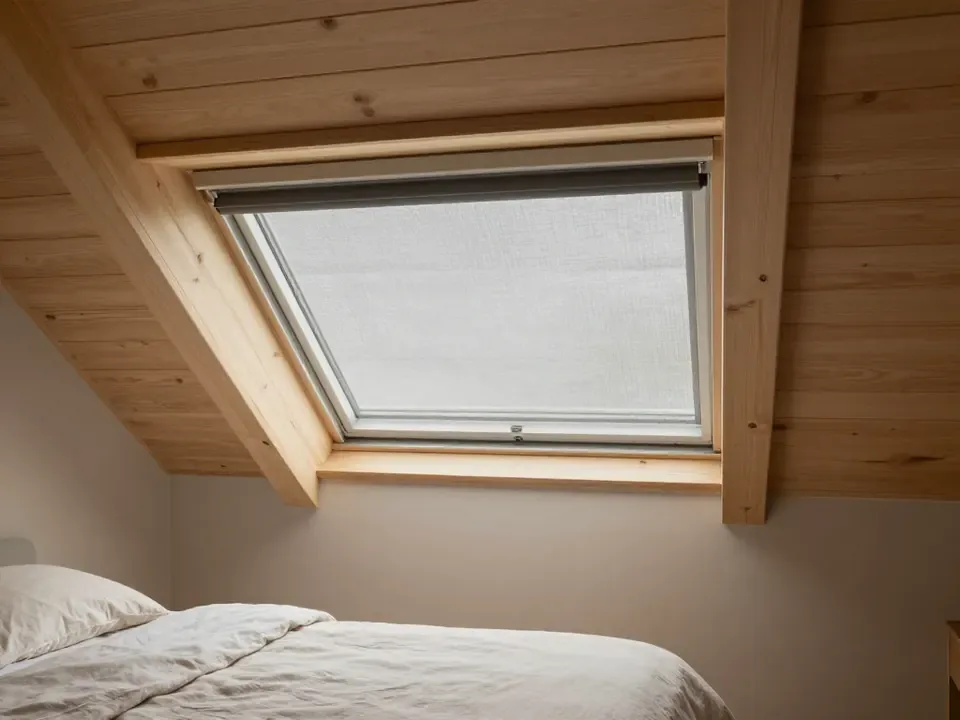 Choosing
A tilted sash, outward opening and a roller screen at 15 000 ₸ per m²: what will suit your window.
November 21, 20258 min read
 Mesh types
The mesh stops coarse and fine dust along with mosquitoes. When it is worth the price of 8 500 ₸ per m².
October 20, 20258 min read
Thank you. We will call you back within 10 minutes!
Your order number is on the receipt or in the SMS. Choose where to leave your review.
Write a review on WhatsApp


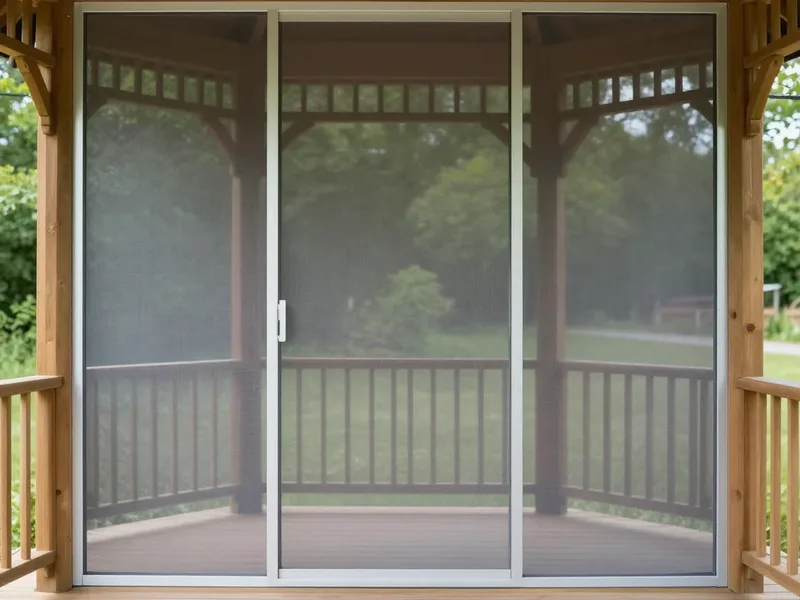 Screens for gazebos
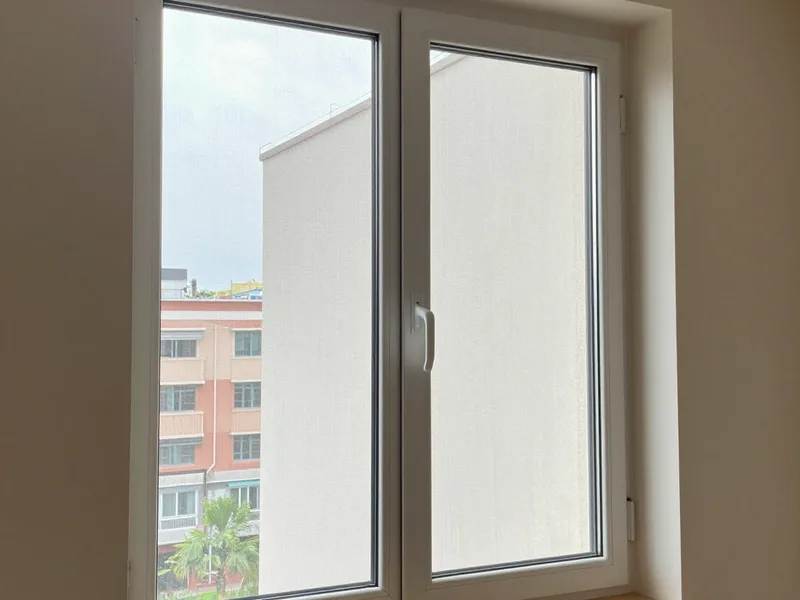 Screens for balconies
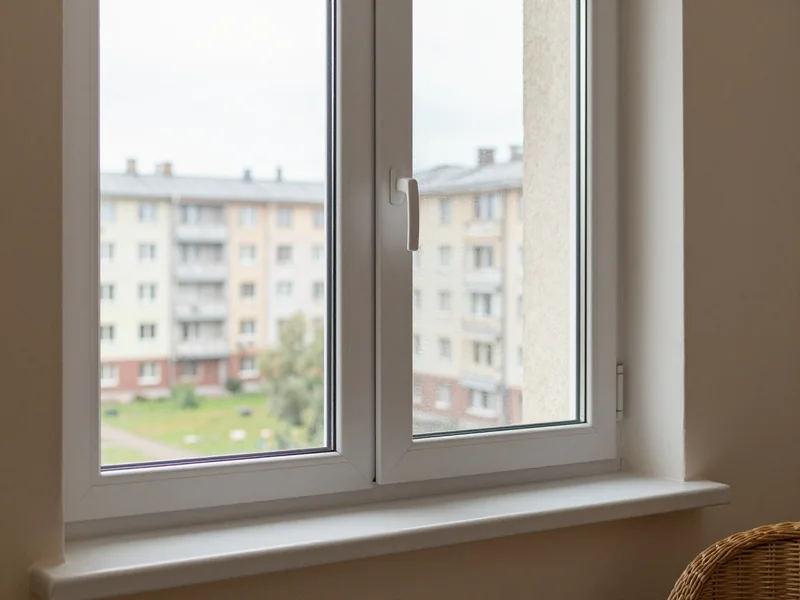 Screens for loggias
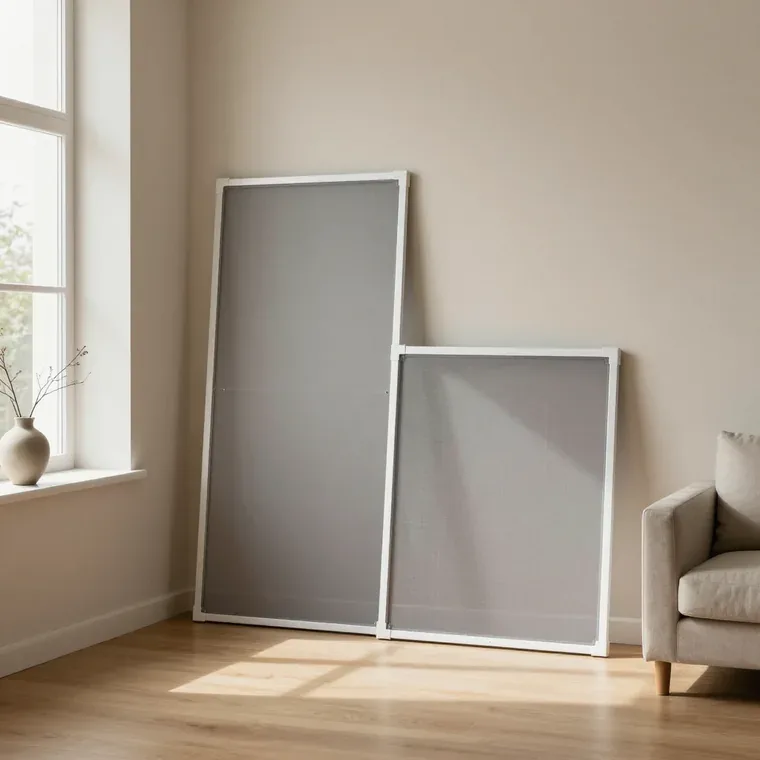 Ready-made screens
