
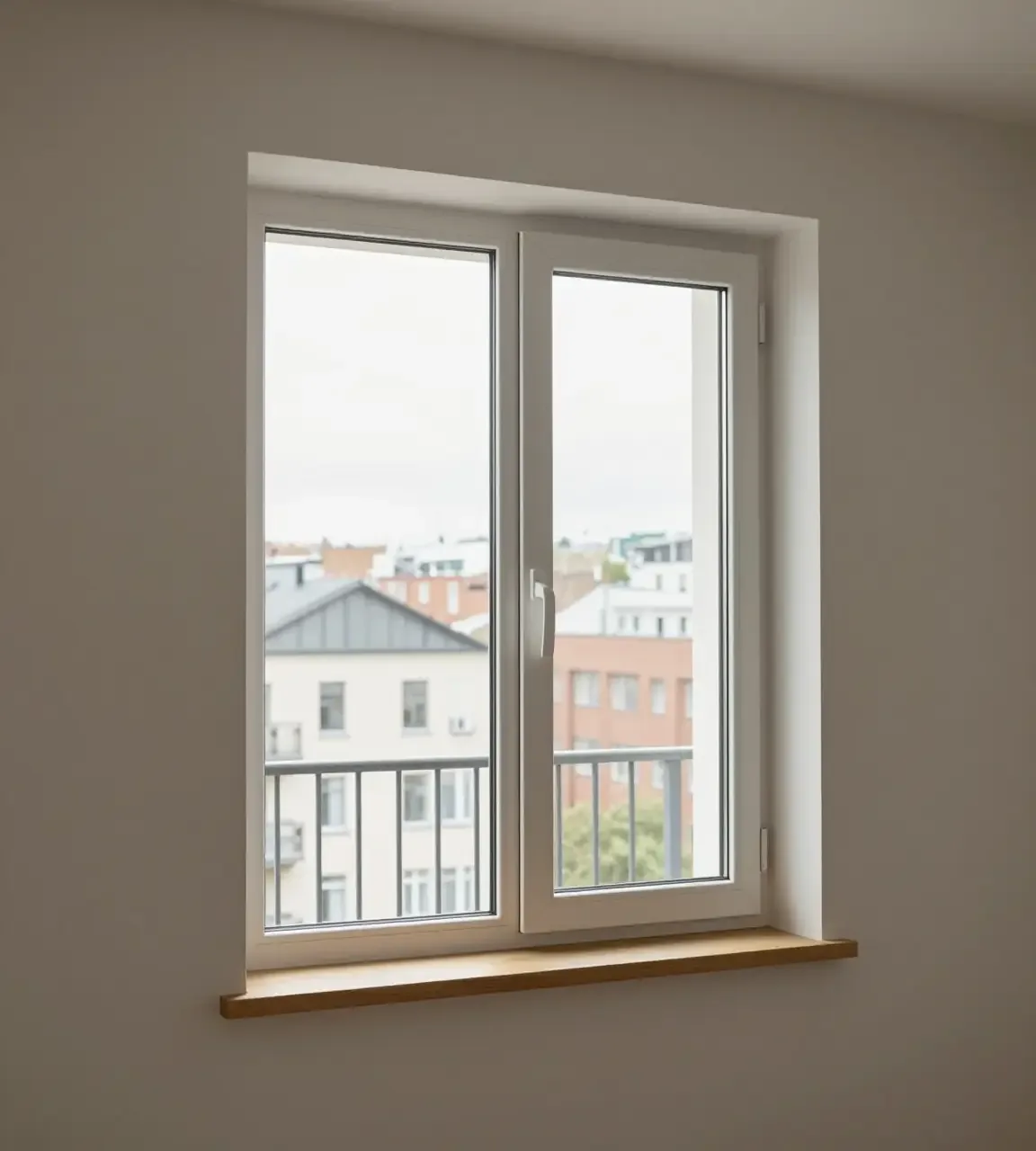
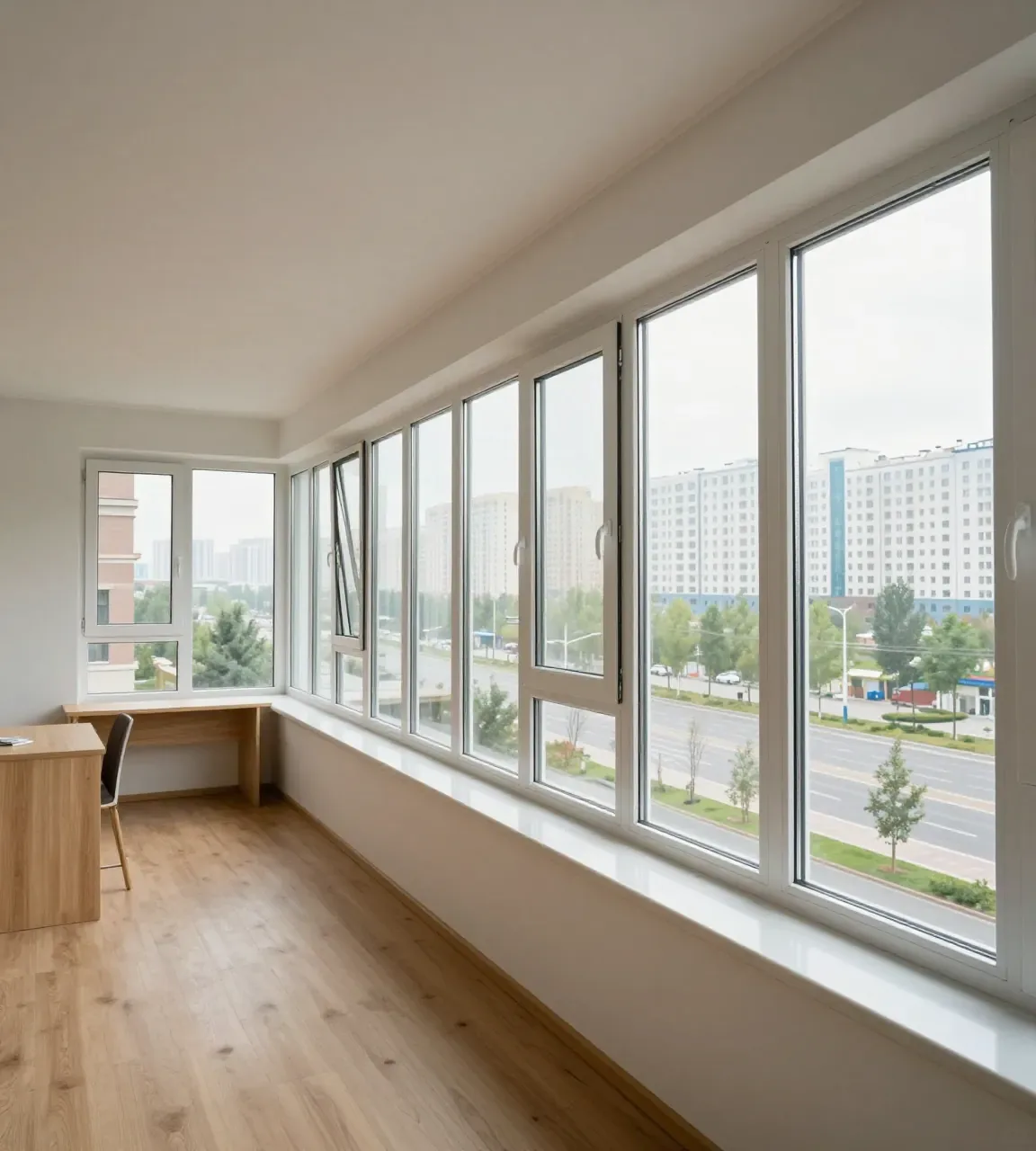
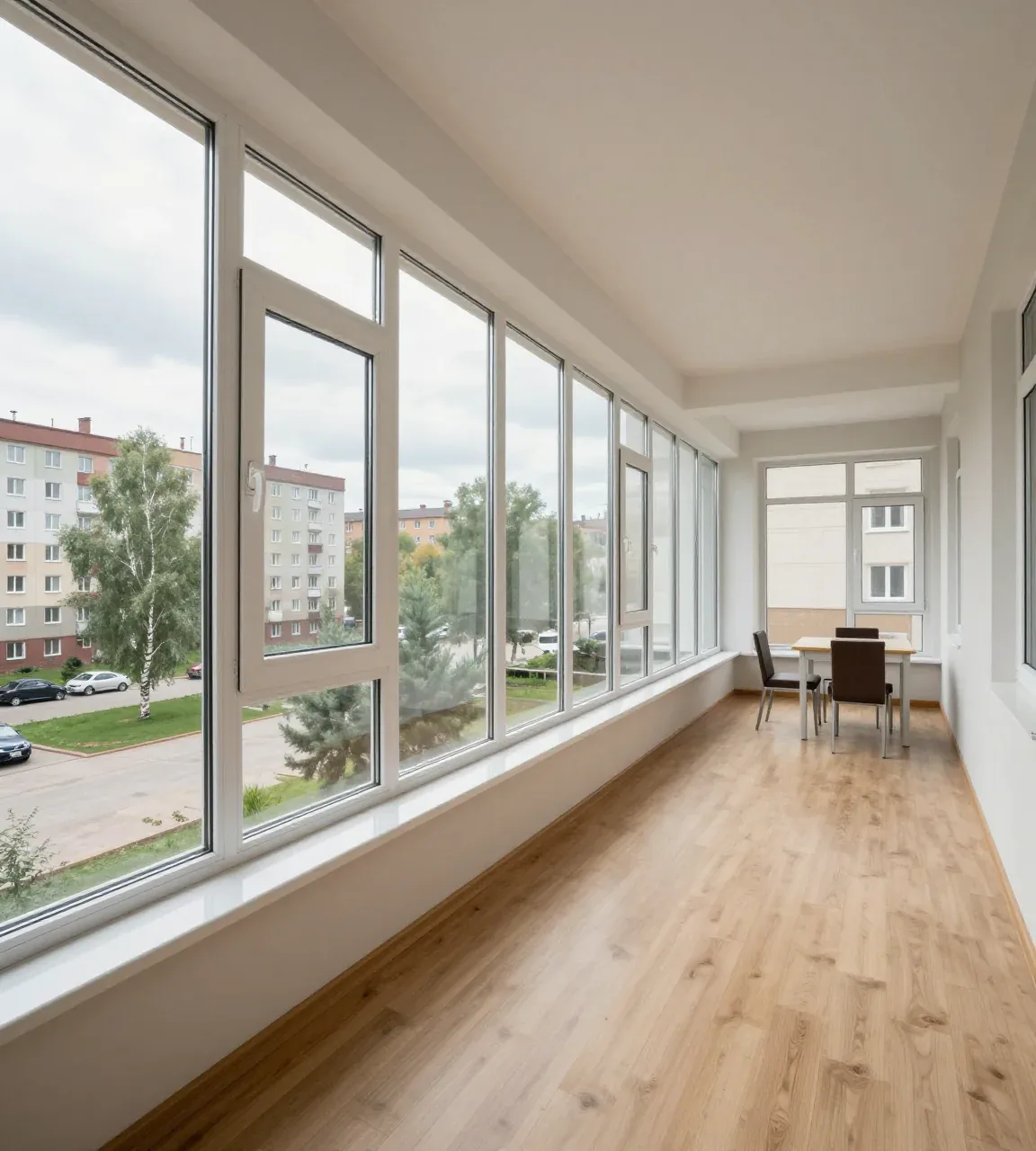
Dust · blizzards
Cold
Sliding aluminium frames protect the balcony from snow and dust. From 158 000 ₸ per balcony.
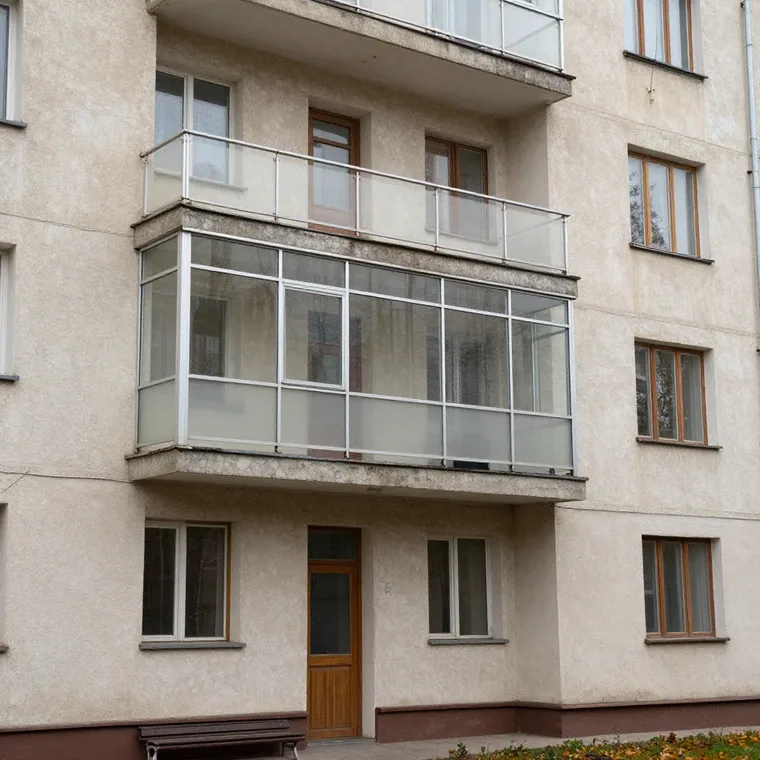
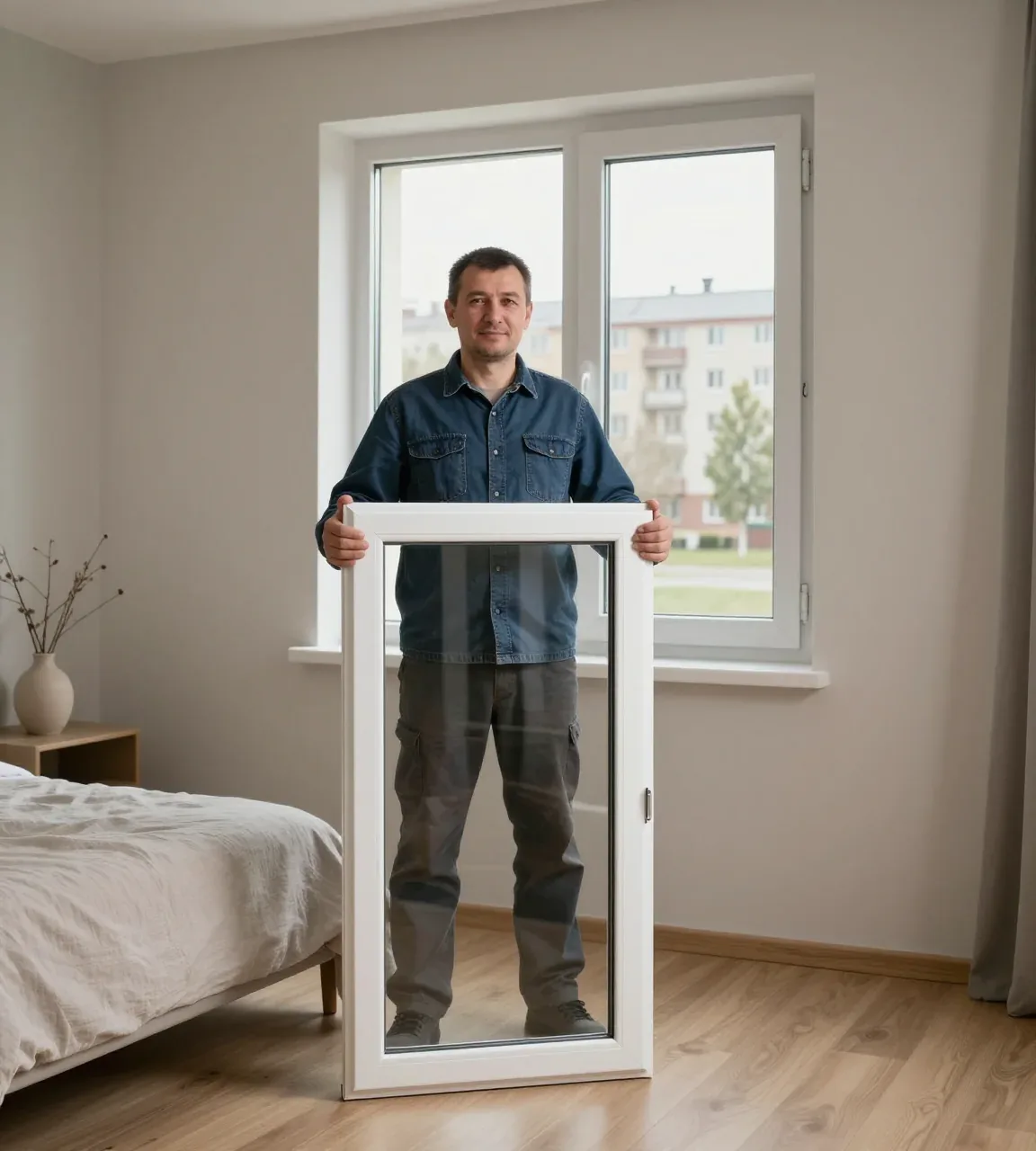
To keep wind, dust and snow off both the balcony and the apartment
Kostanay has strong steppe winds: in summer they carry dust, in winter snow. An open balcony quickly becomes unusable: things get dirty, the floor is swept over. Glazing closes the opening with frames and makes the balcony clean and dry.
For a storage room, aluminium sliding frames are enough; for a room, PVC with double glazing. After installation we add a window sill, screens and cladding.
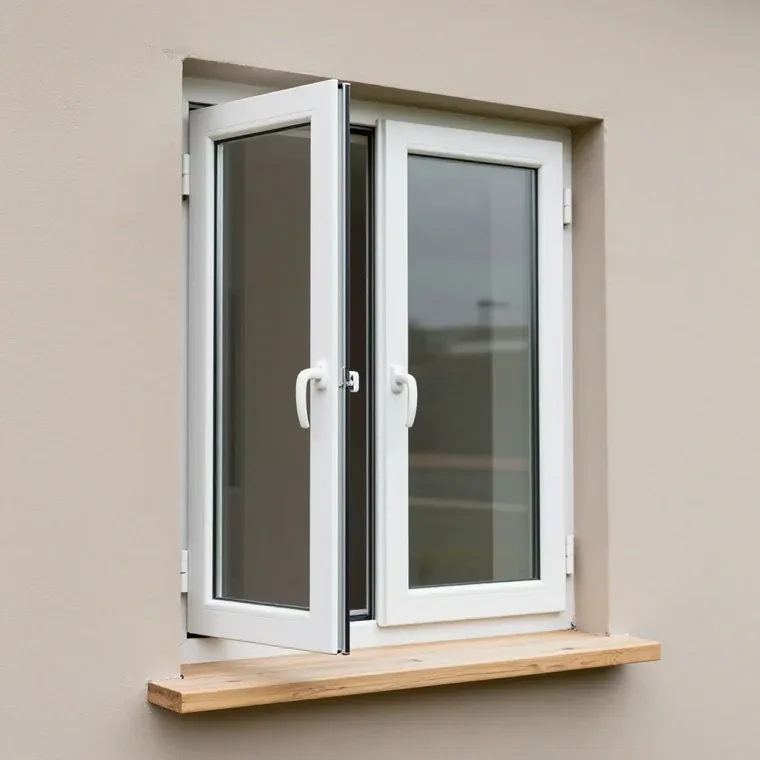
cold glazing
exterior cladding
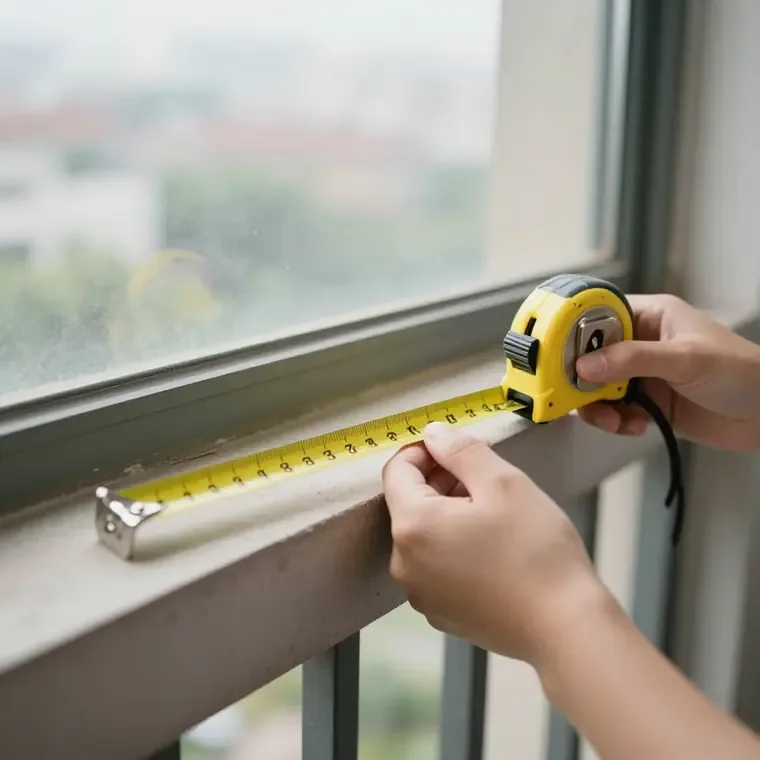
measuring and selection
Four problems that glazing solves
Dust and snow on the floor. Cold glazing will make the balcony clean.
PVC profile and insulation turn it into a living room.
We remove the warped frames and install new ones.
Extending frames along the window sill adds space.
Five items that make up an order
Aluminium
Protection from dust, snow and wind.
Calculated per m²
For loggias and non-standard openings.
Sliding
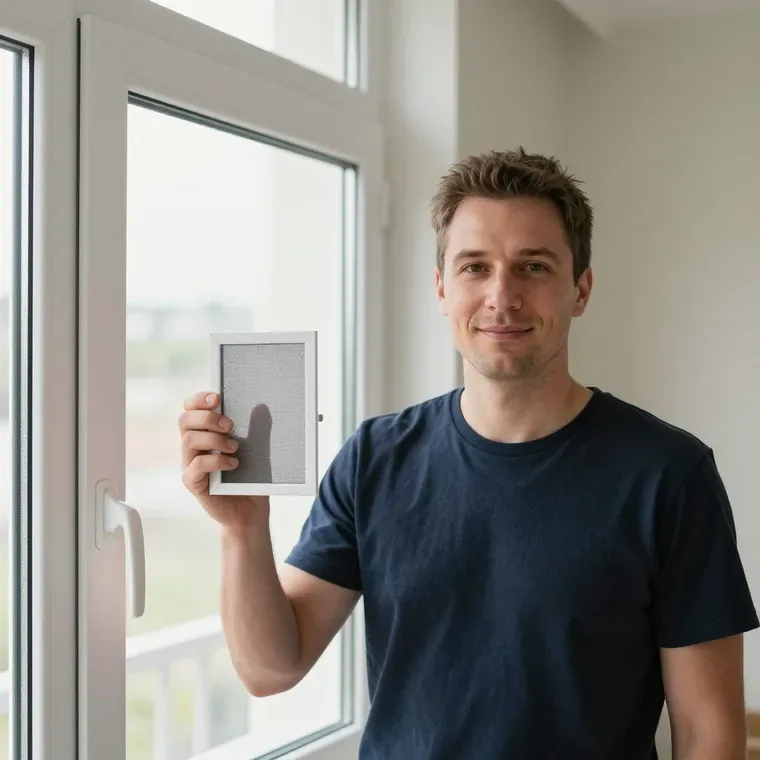
Ventilation without insects.
Exterior
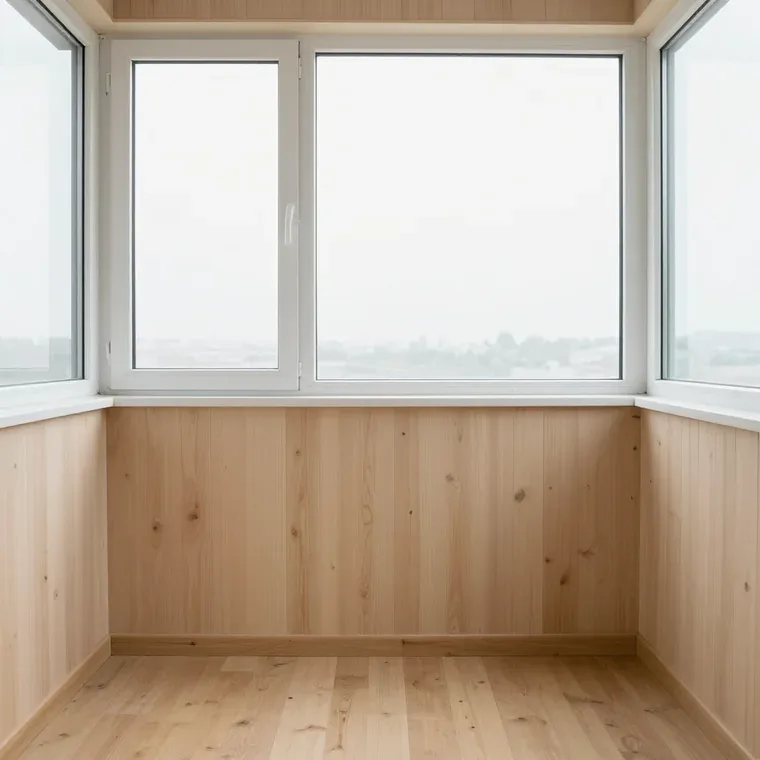
Neat parapet from the street.
PVC · per metre
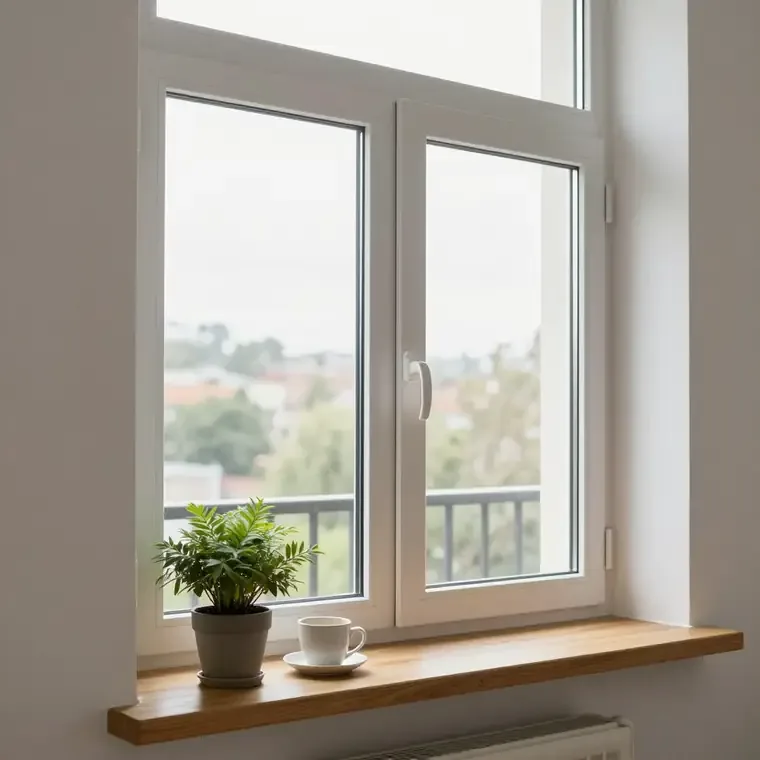
Shelf along the glazing.
Cost of frames, cladding, screens and window sill; final price after measuring
| Type of work | Price |
|---|---|
| Cold balcony glazing (aluminium)sliding aluminium frames | from 158 000₸ per balcony |
| Warm balcony glazing (PVC)PVC profile and double glazing | from 202 500₸ per balcony |
| Balcony glazing, per m²calculated by opening area | from 37 500₸ per m² |
| French (panoramic) glazingfloor-to-ceiling glass | from 322 500₸ per balcony |
| Balcony extensionextended along the window sill | from 214 000₸ per balcony |
| Balcony roof or canopyfor upper floors | from 49 000₸ per balcony |
| Removal of old glazingframe removal and disposal | from 5 000₸ per balcony |
| Exterior balcony claddingcorrugated sheet or siding | from 73 000₸ per balcony |
| Interior balcony insulationfor warm glazing | from 6 800₸ per m² |
| PVC window sill installationinside the balcony | from 5 500₸ per linear metre |
| Sliding mosquito screen for balcony and loggiafor new frames | from 17 400₸ per m² |
| Drip sill installationwater drainage from the frame | from 3 250₸ per linear metre |
The price is fixed in the order after measuringMeasuring and consultation are freePayment after work: cash, card, Kaspi
Book a measuring visitHow we work
we work across Kazakhstan
on WhatsApp
inspection of the slab and parapet
does not change after measuring
acceptance of work
from 09:00 to 19:00
frames, screens, cladding, windowsill
cities of Kazakhstan
Four steps to a dry and clean balcony
Send a photo of the balcony and tell us what you want. We will reply and schedule a measuring visit.
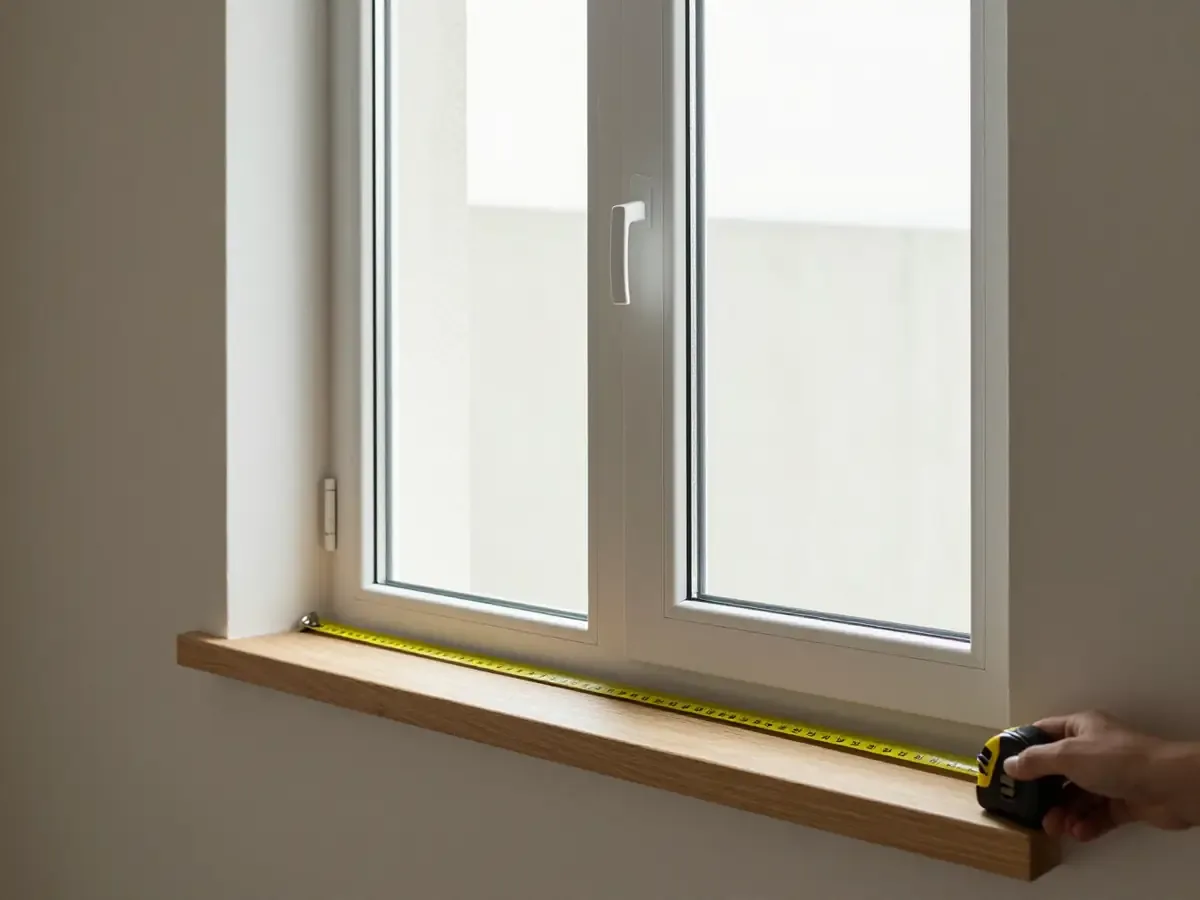
The surveyor takes measurements, checks the slab and parapet, and gives a price that we will fix in the order.
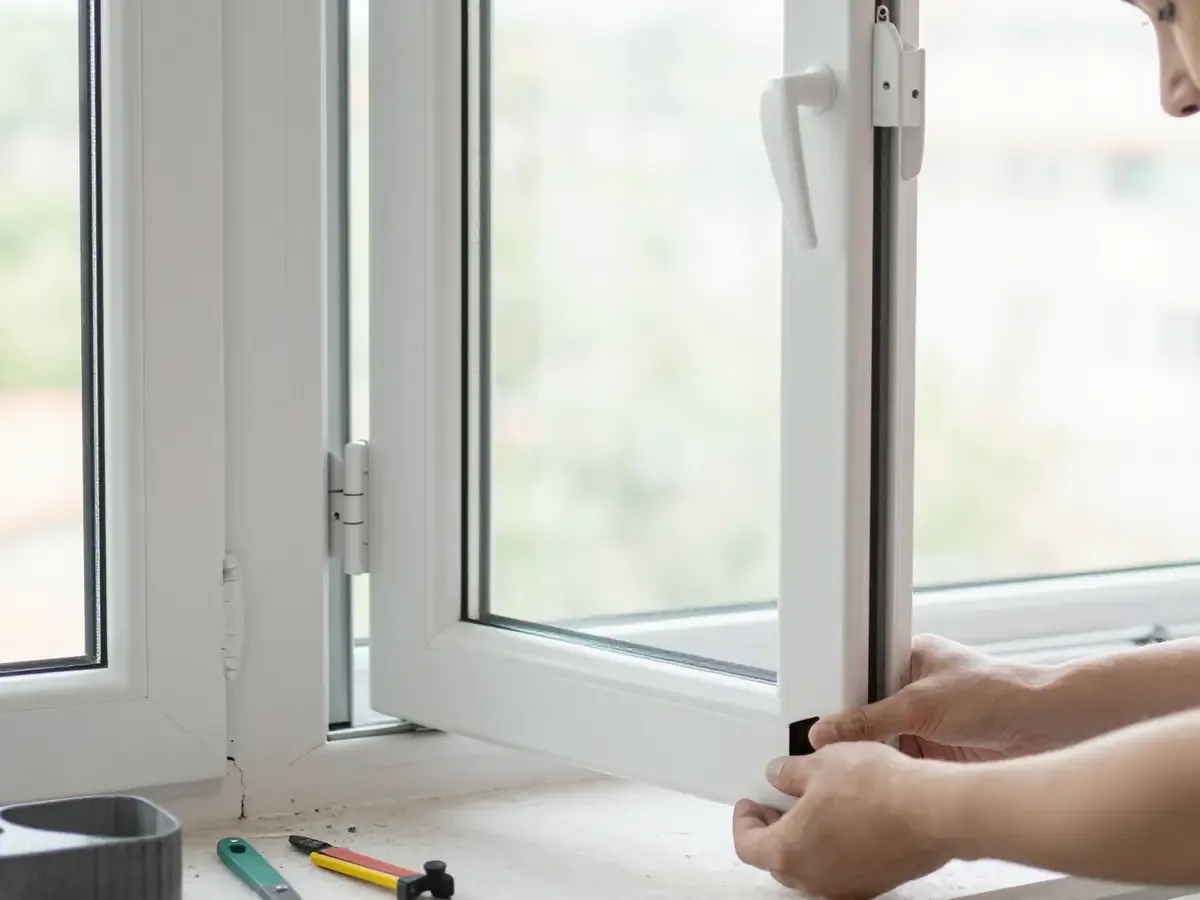
We install frames and drip sills, then the windowsill, screens and cladding, and seal the joints against wind.
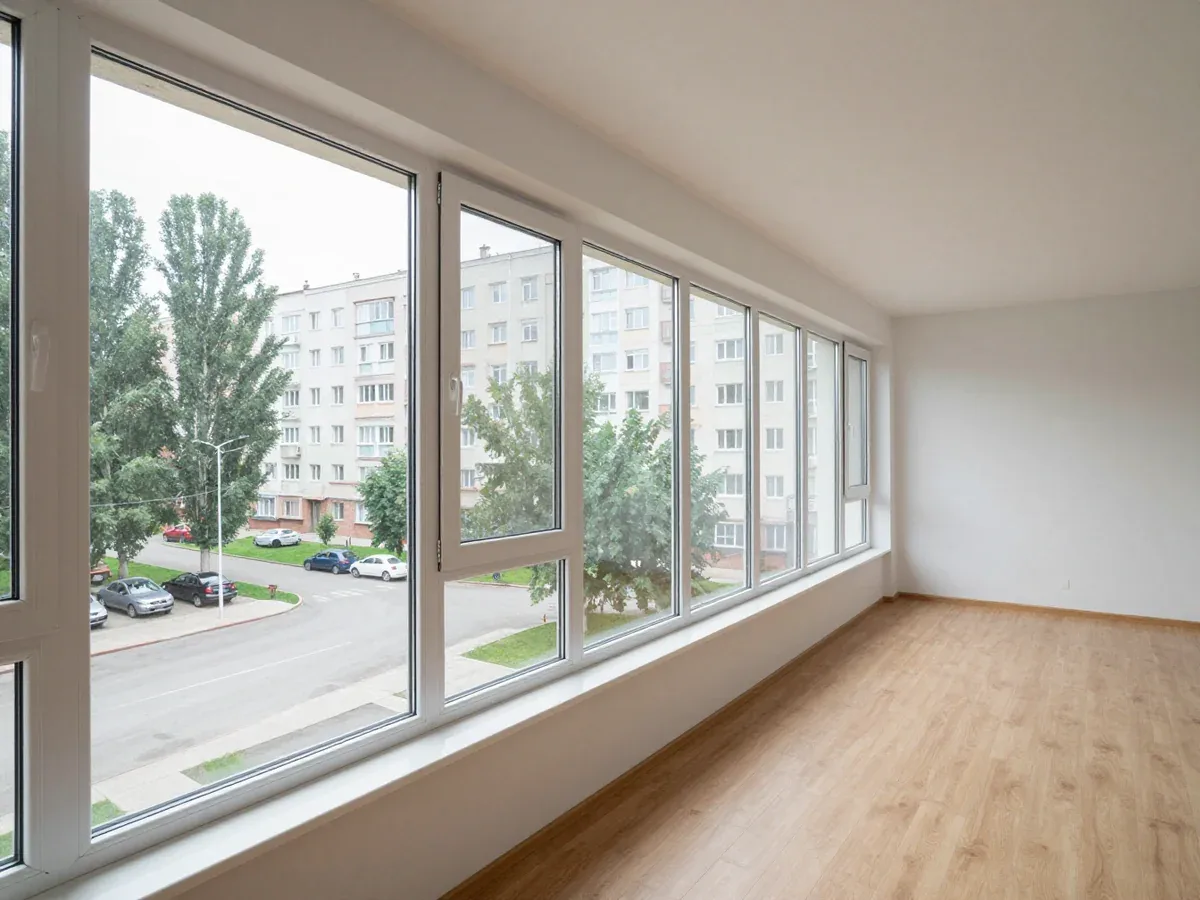
We check the sashes and screens and explain care. Payment after acceptance.
Good to know

Senior mosquito screen specialist at moskitnyesetki.kz
We handle balcony and loggia glazing in Kostanay as a direct contractor with our own installers, not through middlemen. The free measuring visit sets the size, profile and fixings, the price is fixed in the order after measuring, and you pay only after installation. Window installation carries a 5-year warranty.
A local winter stays below freezing for weeks, so the choice between cold and warm glazing decides whether the balcony remains a storage corner or becomes a room you use all year.
| Type | Frame | Glass | Best for |
|---|---|---|---|
| Cold | Aluminium | Single-chamber | Wind and dust protection, storage |
| Warm | PVC | Multi-chamber | Year-round use, living space |
| Panoramic | Aluminium or PVC | Single or multi | Floor-to-ceiling view |
| With extension | Reinforced | Per type | Extra floor area beyond parapet |
A two-chamber glass unit holds heat noticeably better than a single-chamber one, and we recommend it for any loggia meant to be used in winter. The PVC frame carries the weight of that glazing and closes the gap at the edges, which is where most warmth leaves a cold-glazed space. Insulating the slab and parapet is a separate job: it adds comfort underfoot and cuts the last of the chill, but it cannot rescue a thin pack behind an aluminium frame. In our practice the order of decisions is fixed — frame and glazing first, extra insulation second — because reversing it wastes money on foam that a thin pack will never let you feel. For a heated loggia, a two-chamber pack in PVC is the baseline, not an upgrade.
The house type and the condition of the slab decide which profile and fixing will hold reliably. Here is how panel blocks, older slabs and extension beyond the railing are handled.
A panel-block balcony can be glazed, and our measurer checks the slab and parapet before choosing a profile and fixings. In panel blocks the barrier is usually a thin reinforced-concrete panel, so the load has to be spread rather than hung on two or three anchors. The measurer looks at cracks, spalling, rust on embedded metal and how level the top edge runs; a 58 mm PVC profile suits most standard openings, while a 70 mm version gives more depth for wider sashes and heavier glass. On older slabs the same check matters more — the concrete may be worn thin at the edges where the frame would sit. A worn base does not always mean glazing is off the table: a lighter section with point fixing is often enough to avoid overloading the barrier.
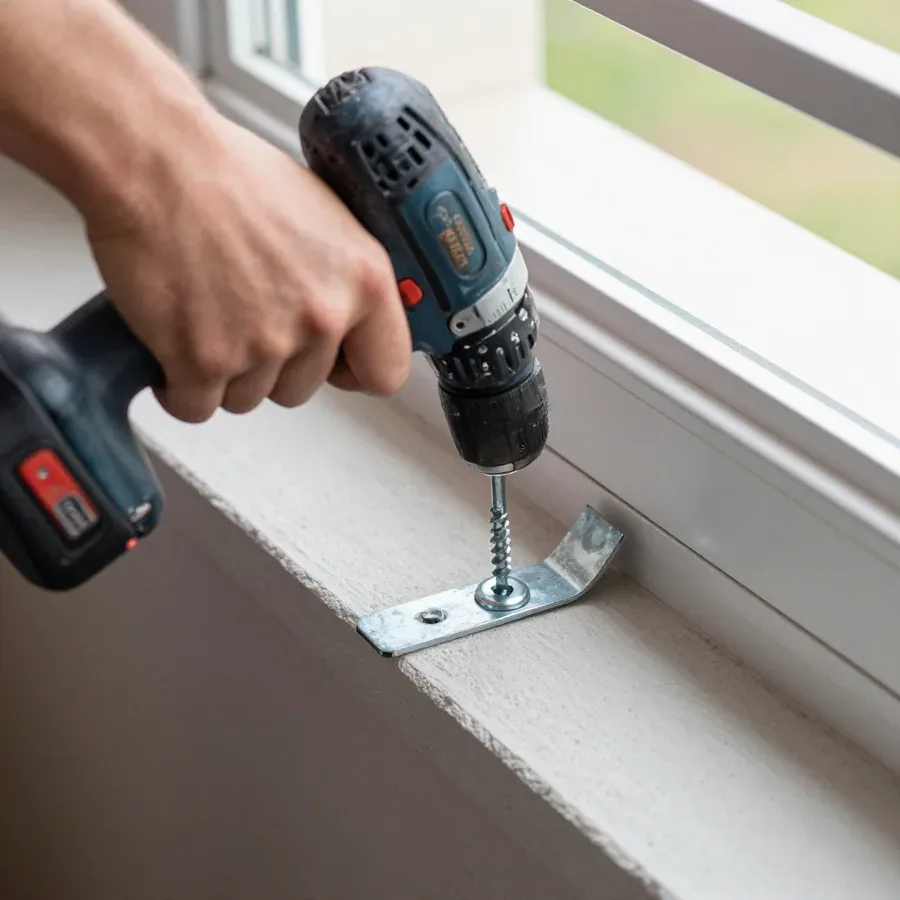
The measurer picks the fixing to match the parapet material and storey, using Z-brackets, pins or magnets, and extension beyond the edge is a separate decision that needs approval. Z-brackets bolt through the panel and spread the load, pins go into the wall above the barrier, and magnets suit light sashes where drilling is unwanted. Height changes the wind load, so upper levels get more anchors and a stiffer section than a ground-level balcony. Extension adds floor area but shifts the load onto the barrier, and it requires permission — without it the frame goes inside the existing opening. In our practice, most owners who ask about extension end up keeping the original line once they see the approval paperwork.
Measuring and installation are the two stages where a customer most often loses sight of the process. Here is what happens at each one and how to accept the finished job.
Measuring and consultation are free, and the measurer comes at a convenient time, takes sizes and helps choose the design, mesh and fixings. The specialist checks the parapet, the slab edges and the window openings, then notes the opening type, the mounting points and the colour match for the profile. Our measurer brings samples of the canvases, so you can compare Standard fiberglass, UltraVue, Anti-Cat, Anti-Pollen and Krylo on the spot and see how much light each one passes. All figures go straight into the order sheet, and the price is fixed there after measuring. In our practice, the visit rarely takes more than an hour for a standard loggia. Decide on the construction before the measurer leaves — changing the layout afterwards means a new order and new timing.
Turnkey means different things with different contractors. Below we break down what actually sits inside a glazing job for a balcony or loggia, and how the price is formed and locked before work starts.
A turnkey job covers the frame, glass unit, hardware, fixings, installation and sealing, while finishing such as slopes and insulation is agreed separately. For loggia and balcony glazing in Kostanay we handle the full cycle with our own crews, no subcontractors in the chain. The core scope covers the profile frame, the glass unit, the hardware set, the fasteners matched to your parapet and the sealant line around the perimeter. What sits outside that core is finishing: window slopes, insulation of the parapet and the sill, and the outer flashings. Those are usually quoted as a separate line, not folded into the base price. In our practice the cleanest way is to settle the boundary at the measuring visit, before the paperwork is signed, so nobody argues about trim once the frame is already up.
The price is fixed in the contract after measuring, and you pay after installation by cash, card or Kaspi. Measuring and consultation come free, and the measurer records the exact opening sizes, the profile series and the glass unit build, so the quote reflects the real structure rather than a rough guess over the phone. Once those numbers are in the document, the figure stops moving: if the design stays as agreed, the final amount matches what was signed. That is the practical difference between a fixed quote and a running estimate — the latter drifts every time a detail changes on site. Our advice is to keep the signed paperwork with the measurements attached, because it is the reference point for both sides if any question comes up after the crew leaves.
Warranty and aftercare decide how long a glazed balcony actually serves you. Below are the coverage periods we commit to, and what to do once the work is signed off.
| Work | Warranty | Covers |
|---|---|---|
| Window installation | 5 years | Mounting and sealing |
| Glass unit replacement | 3 years | The unit itself |
| Window repair | 1 year | Labour and replaced parts |
After installation, we replace glass units within one day on urgent orders, swap seals on windows of any brand and adjust sashes when they start to stick. Seals are changed on KBE, Rehau, VEKA and Provedal systems alike, and a sticking sash usually needs adjustment rather than a new unit. Condensation on the glass inside a glazed loggia more often points to a broken seal at the junction or a worn gasket than to the glass unit itself. So the first step is a gasket swap, not an expensive replacement. In our practice, a fresh seal solves most fogging complaints on units that face the wind. Check the gasket along the bottom edge before ordering a new unit — that strip takes the most load and wears out first.
A balcony is a long-term decision, so it is worth weighing how you will use the space against the structure of the building and the paperwork you sign.
Construction, double glazing, profile, measuring, care
Konstantin Selenenkovsenior mosquito screen specialist, 10 years in the tradeOnline · replies within 5 minutes
Ask a questionYes, the structure is usually installed directly on the existing parapet and fixed to the walls, with nothing extending beyond the dimensions. An extension is only done to expand the area, and it must be approved separately.
For cold glazing, a single glass or a simple double glazing unit is sufficient, while for warm glazing a double-chamber unit is better: it retains heat better and dampens street noise more effectively. The exact choice depends on the size of the opening and your needs.
Yes, we handle measuring, manufacturing, and installation as one company, so we take full responsibility for the result. An intermediary or aggregator only passes the order to a subcontractor, and you have to make quality and timeline claims to them.
The measurer measures the opening, checks the geometry of the parapet and walls, and assesses the condition of the slab. They clarify whether an extension is needed, which profile and double glazing are suitable, and fix the price in the order. Measuring and consultation are free.
For a panel building, a PVC profile with double-chamber double glazing is suitable: it retains heat and does not overload the parapet. If the balcony is cold and uninsulated, aluminium can be used — it is lighter but retains heat less well.
It is enough to wipe the profile and glass with a mild agent, and lubricate the seals with silicone once a season. Sash adjustment is needed if they start catching the frame or draft around the perimeter — then call a technician.
Thank you. We will call you back within 10 minutes!
Your order number is on the receipt or in the SMS. Choose where to leave your review.
Write a review on WhatsApp



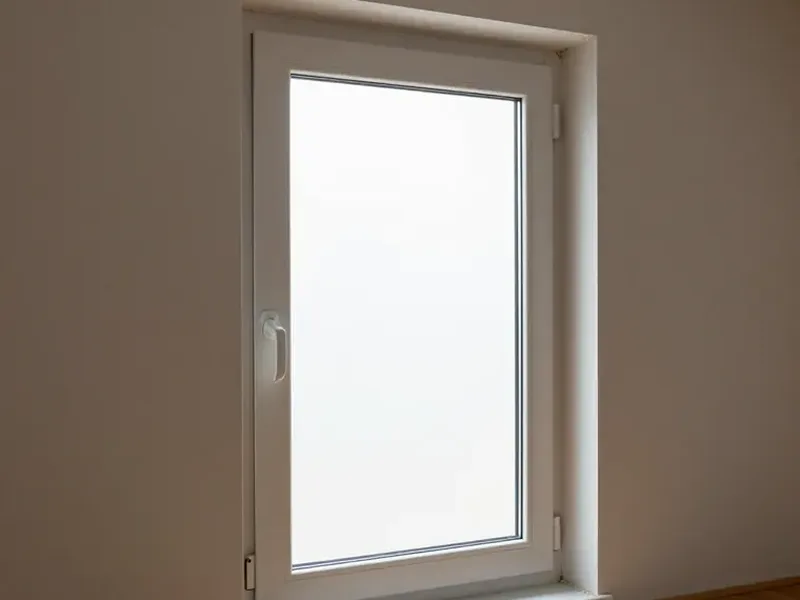 Window replacement
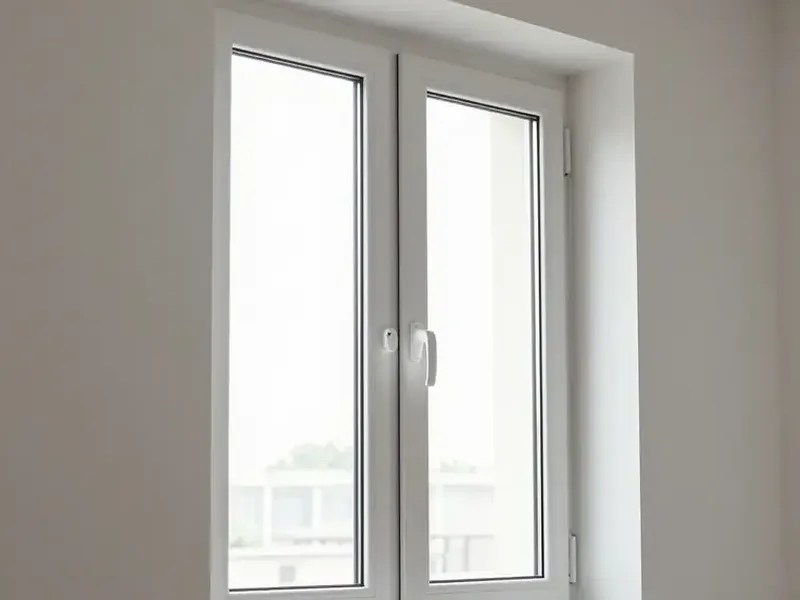 Reveal finishing
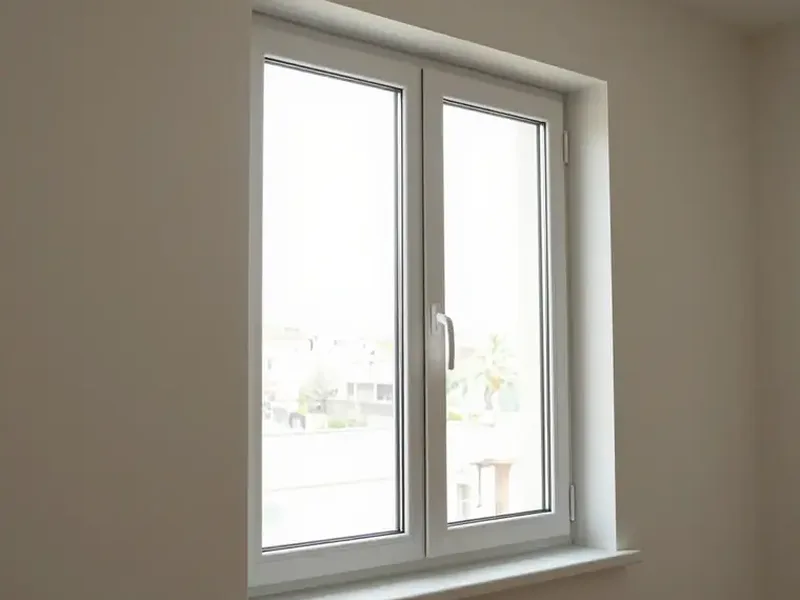 Window insulation
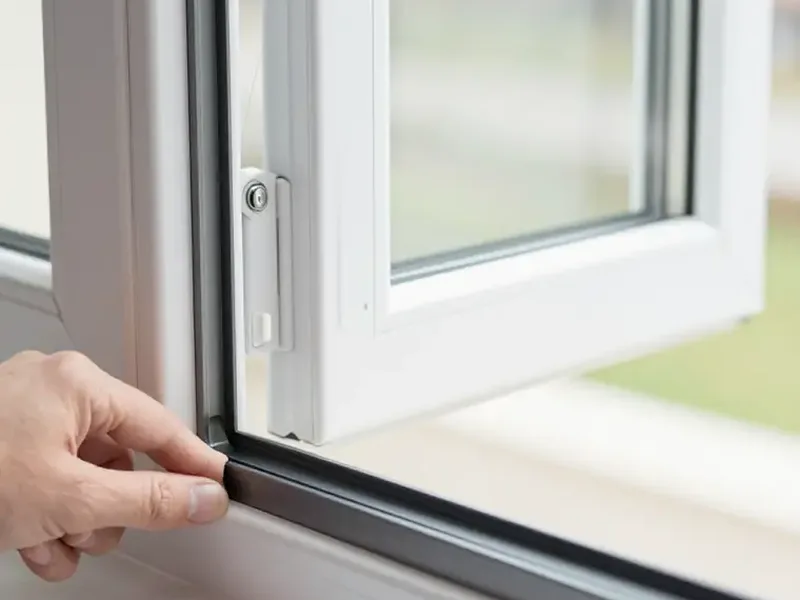 Seal replacement
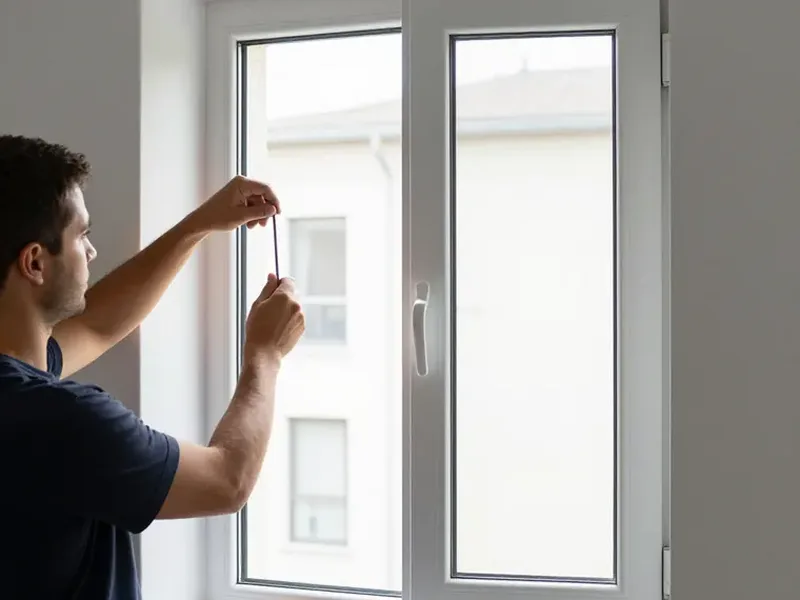 Window repair
