


Good to know
Pleated Mosquito Screens in Kostanay

Senior mosquito screen specialist at moskitnyesetki.kz
We make pleated mosquito screens to your exact size and fit them on windows and doors across Kostanay. We bring a free measuring visit, help you pick the mesh and fastening, paint the frame to match your windows and install the screen 40–60 minutes after it is made. Every screen carries a 1-year warranty.
Why pleated mosquito screens beat a fixed framed screen
A pleated model gathers its fabric into folds that slide aside along a track instead of coming off the window entirely. Below we explain how pleated mosquito screens Kostanay homeowners order from us change daily use.
How the pleated mesh folds and opens
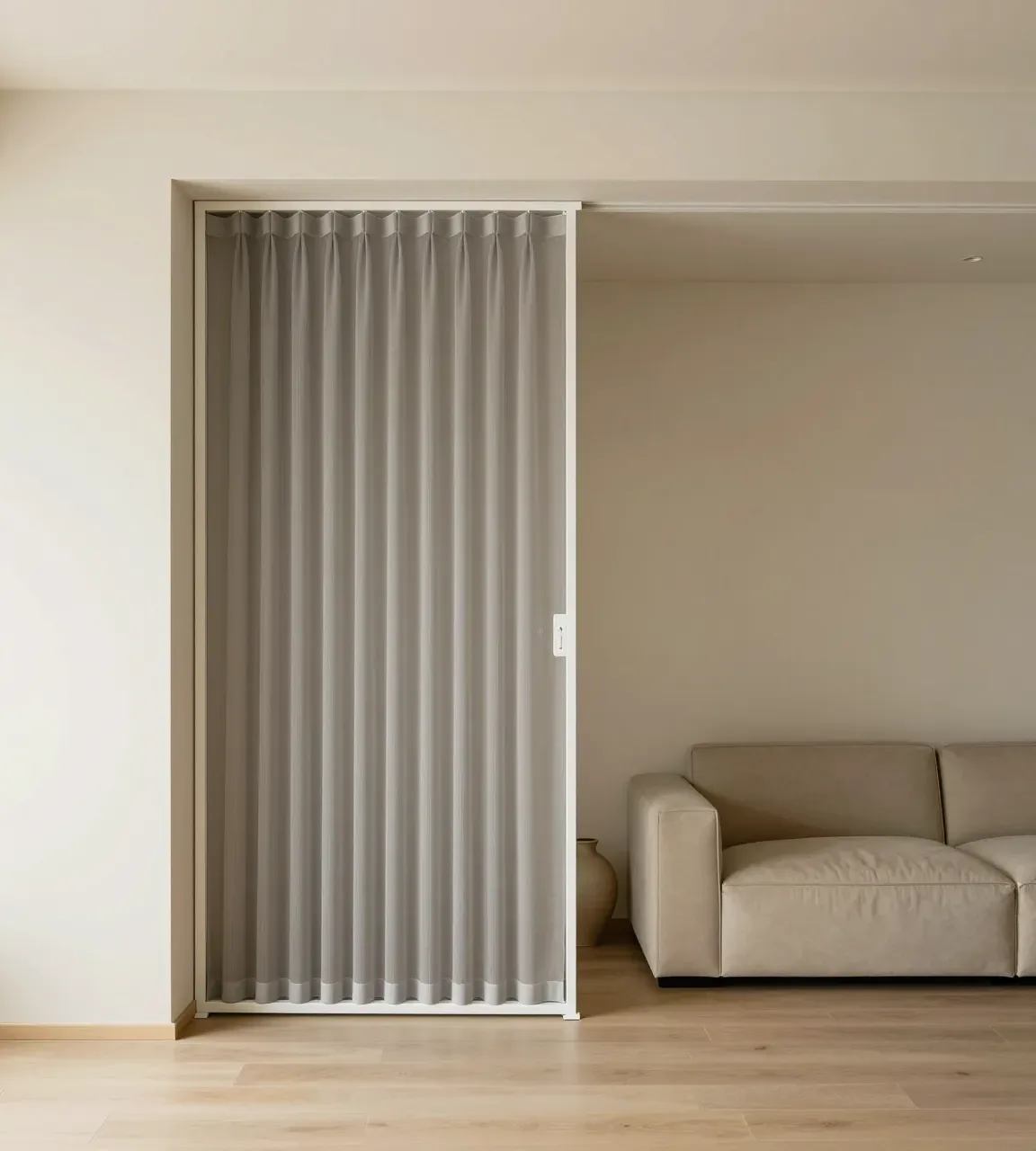
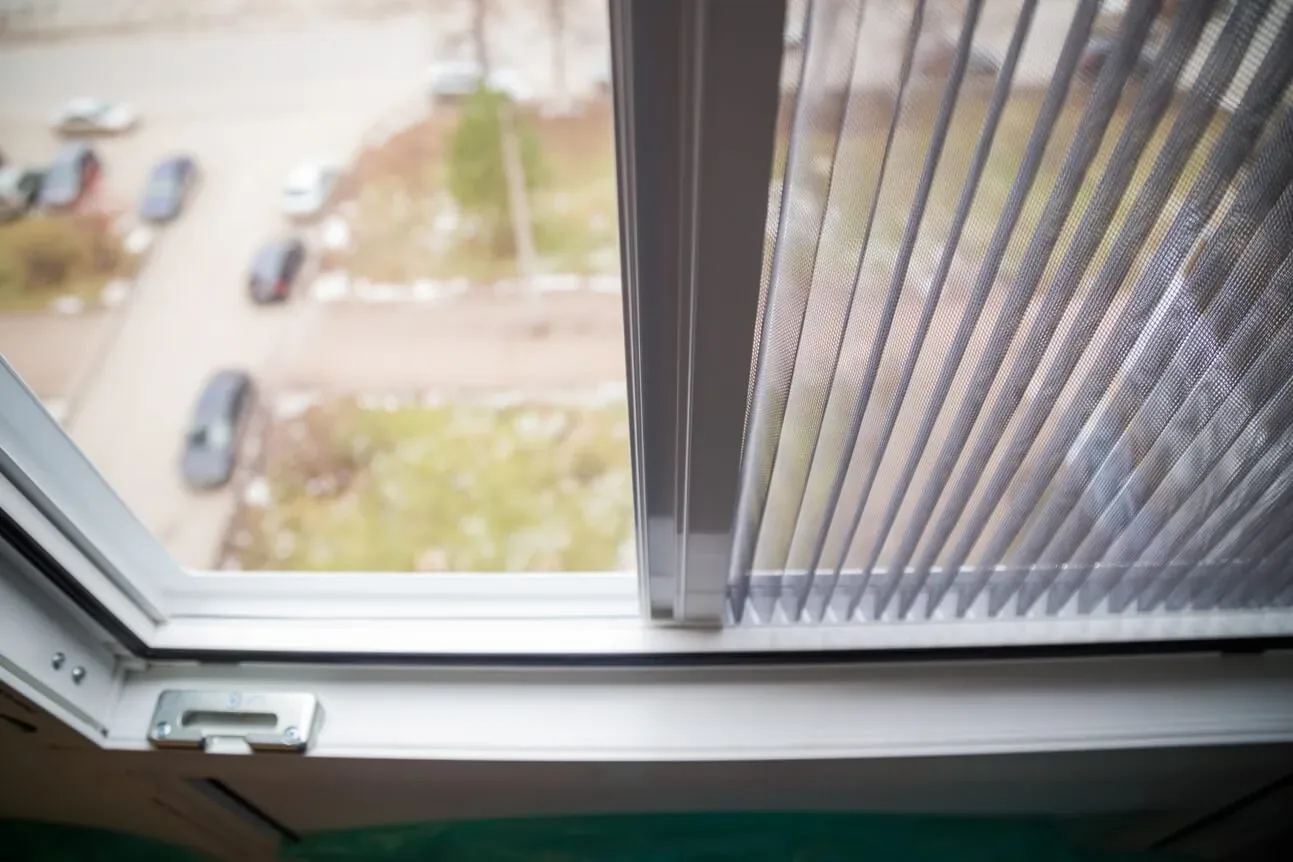
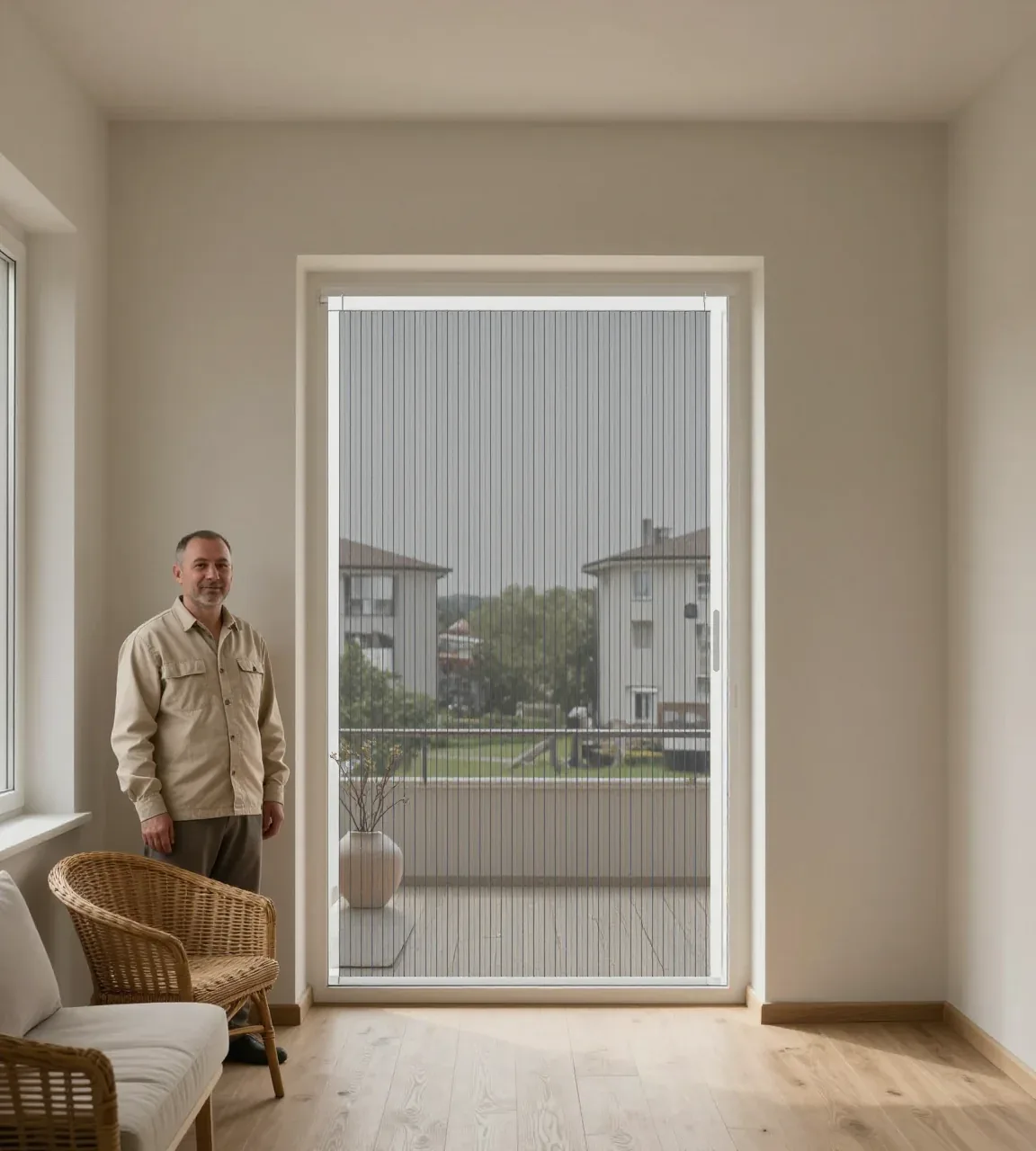
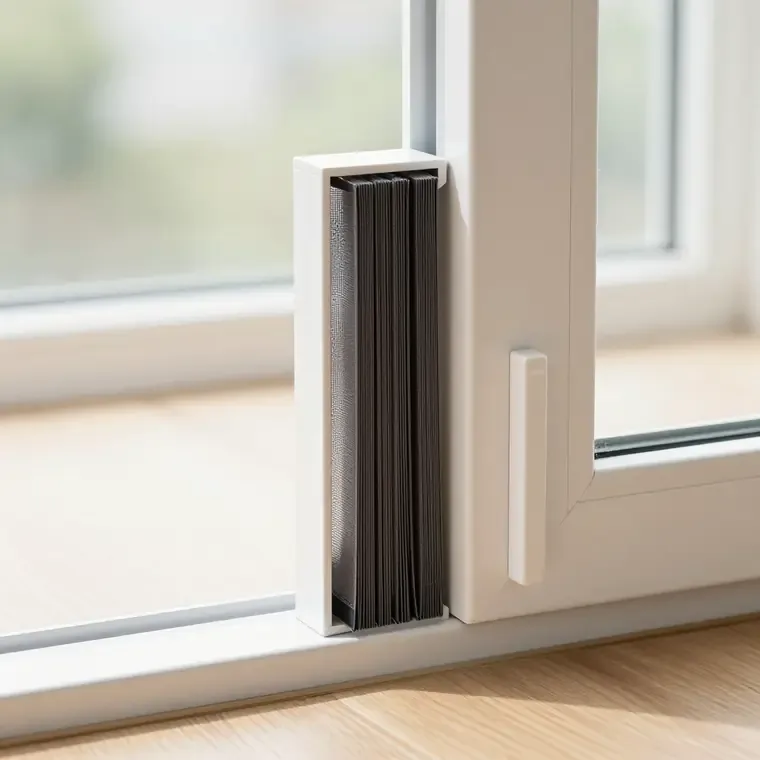
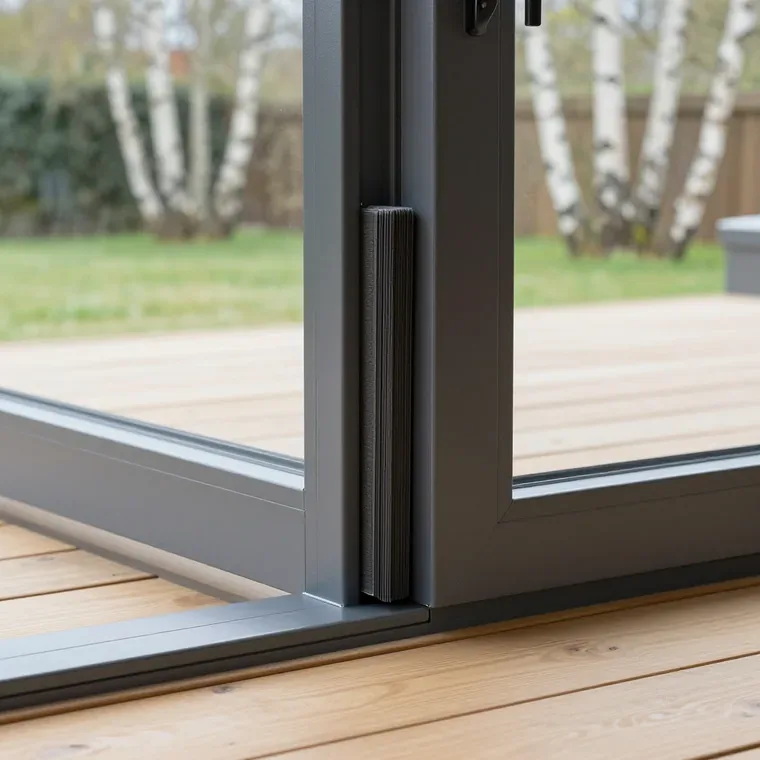
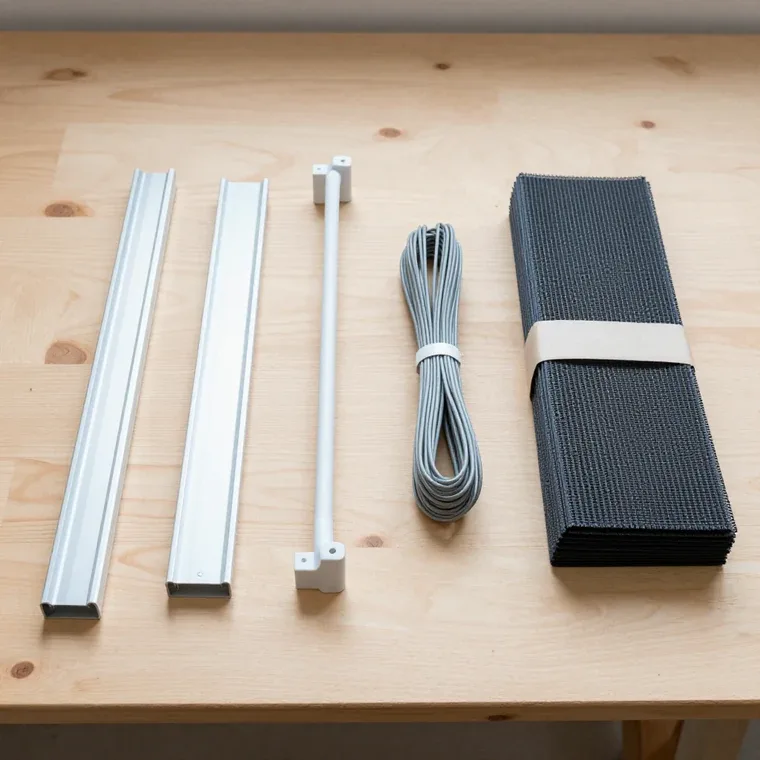
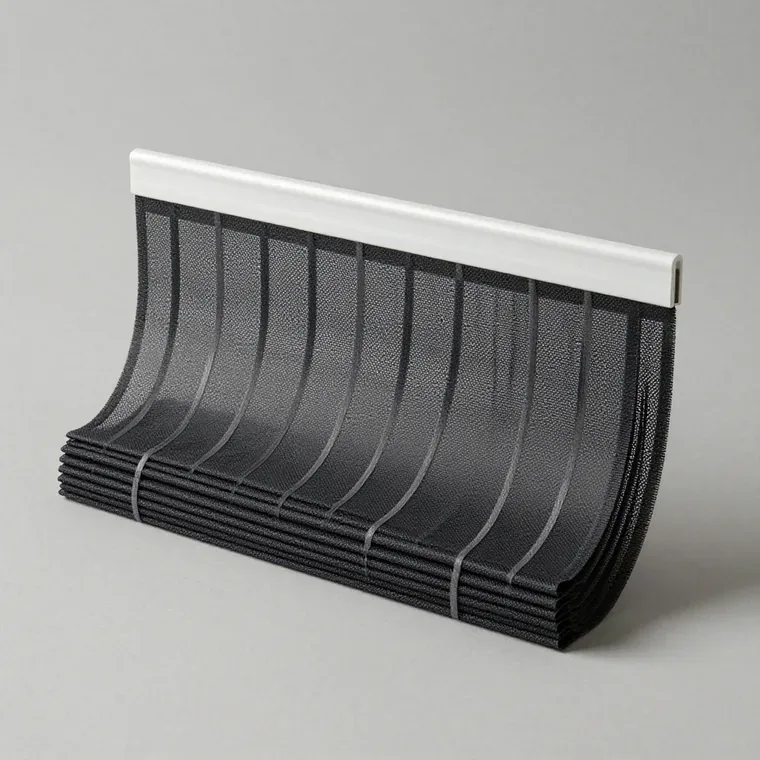
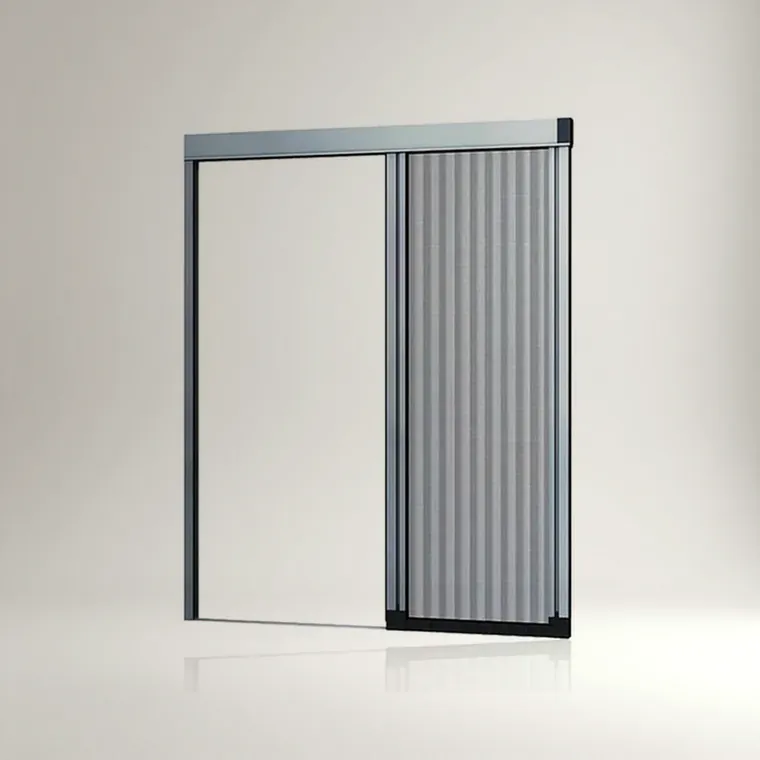
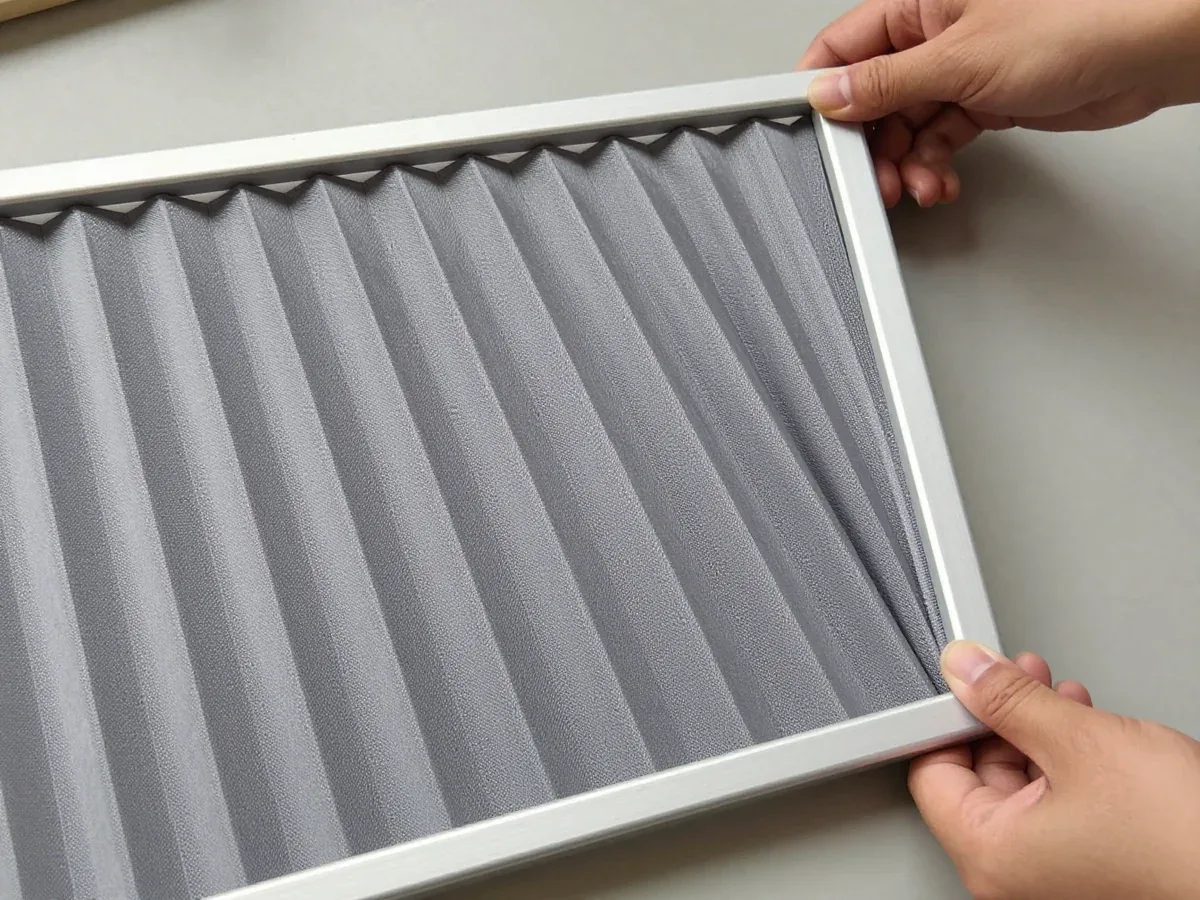
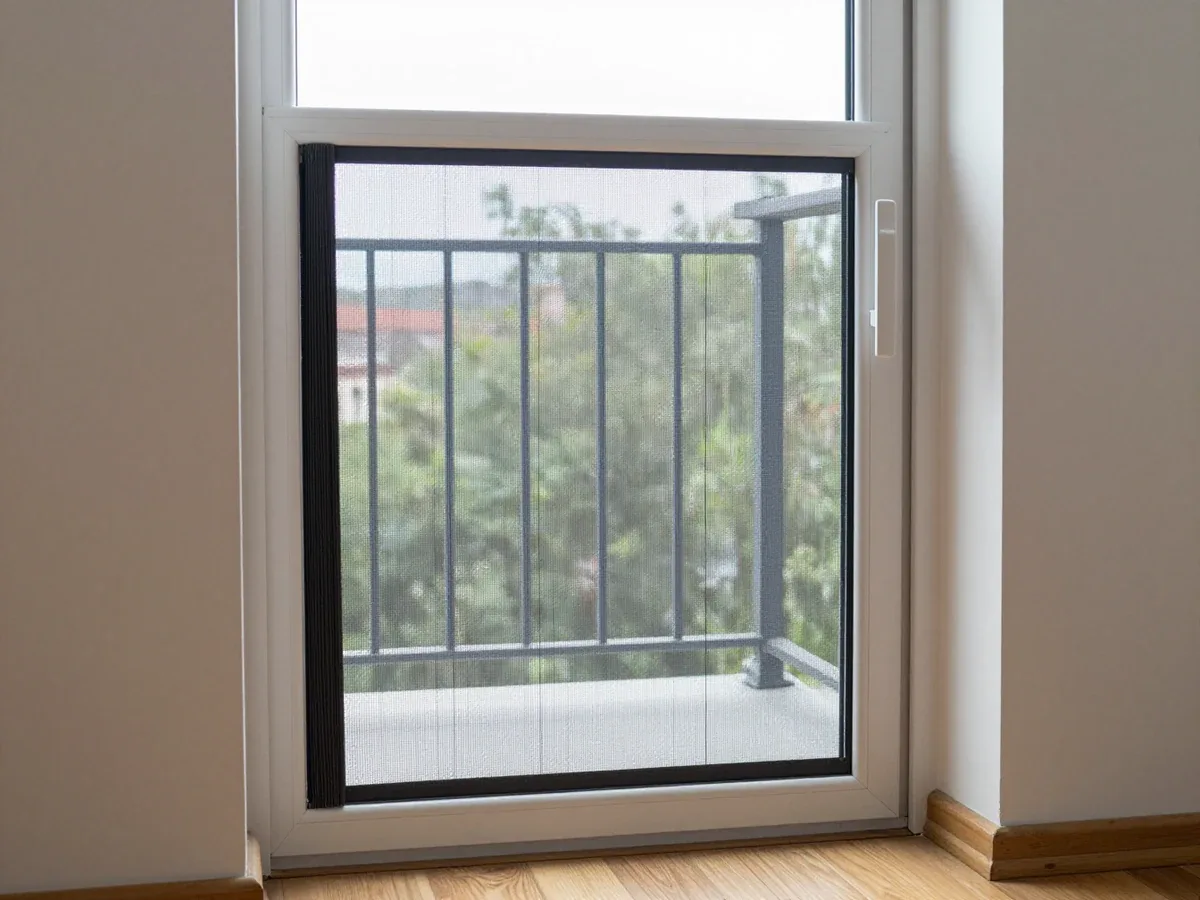
A folding screen gathers its mesh into a concertina that slides sideways along a side track, so the opening stays clear without lifting the whole frame off. The fabric runs between two slim guide rails, and a small handle on the leading edge pulls the folds open or shut in one movement. Because the netting is held under light tension between the rails, it does not sag or flap in a draught the way a loose hanging sheet does. There is no sill to step over and nothing to store — the fabric simply bunches at one side. Because the netting never leaves its guide, such a model keeps its shape and tension far longer than a framed unit that is taken down and re-hung every season.
Where folding wins over a framed screen
We recommend a folding model on balcony doors, wide windows and any opening you pass through often, while a framed unit still suits a small window you rarely open. On a door the folding model opens with one hand and stays mounted all year, so you skip the seasonal take-down that a fixed version needs. A framed unit has to be lifted out and stored before the cold sets in, then re-hung in spring, and each cycle strains the corners and the fastenings. A pleated version stays on its track through winter without blocking the sash. We fit these screens to windows and doors across Kostanay, and the measurer checks the opening width first so the folds park clear of the handle.
Which openings pleated mosquito screens fit
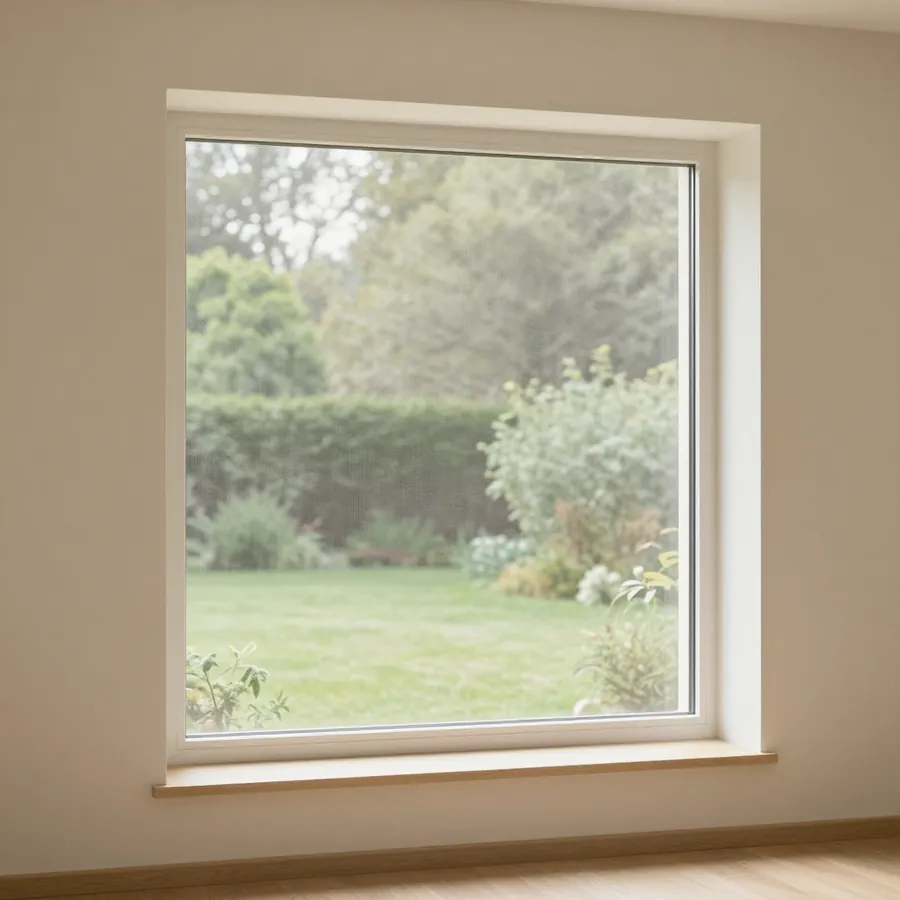
We look at windows, doors and wide openings one by one, including a tall balcony door and a panoramic window where a fixed frame would get in the way.
Windows, loggias and outbuildings
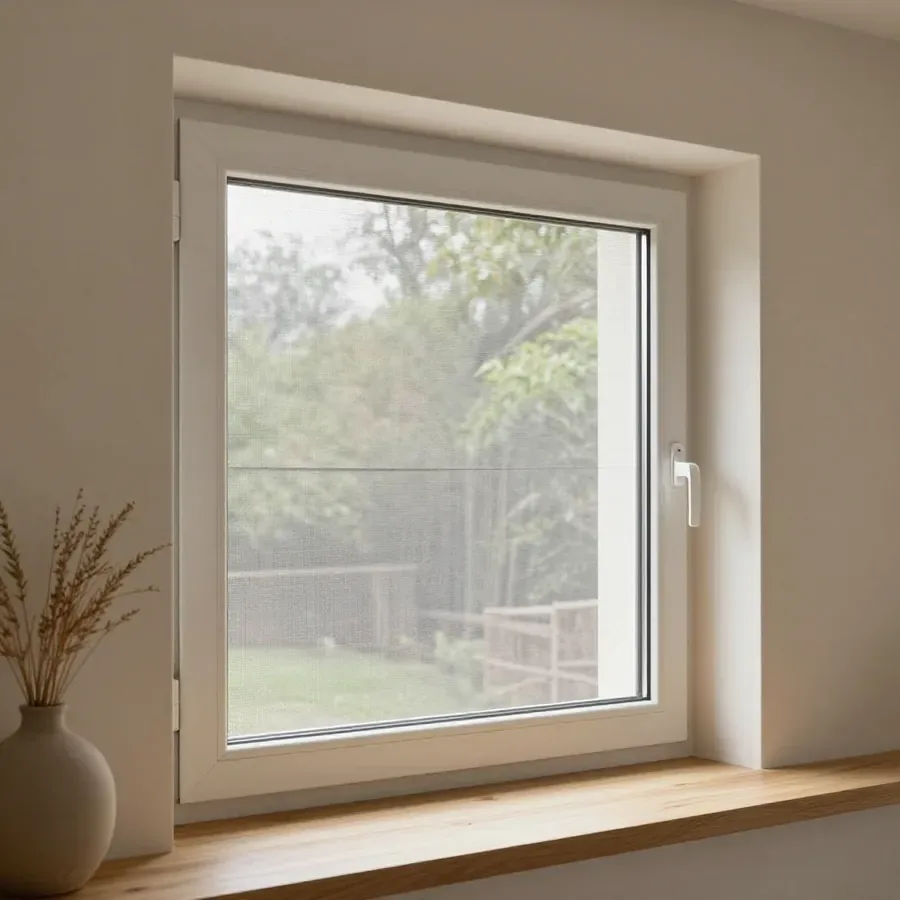
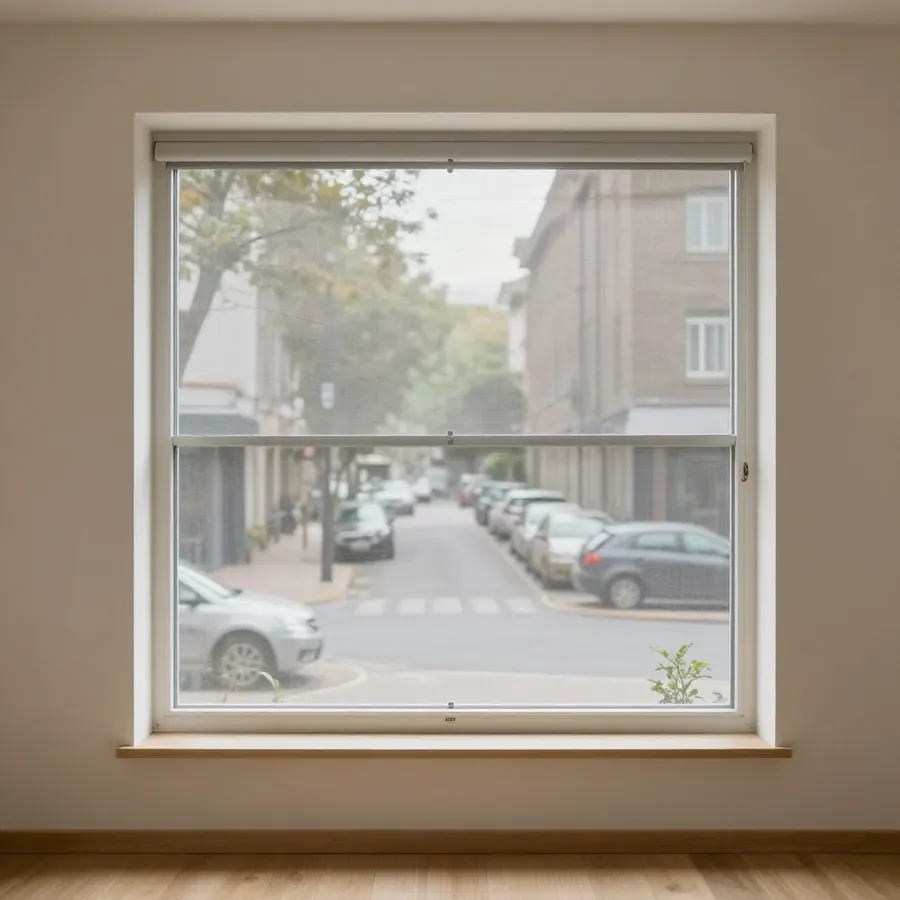
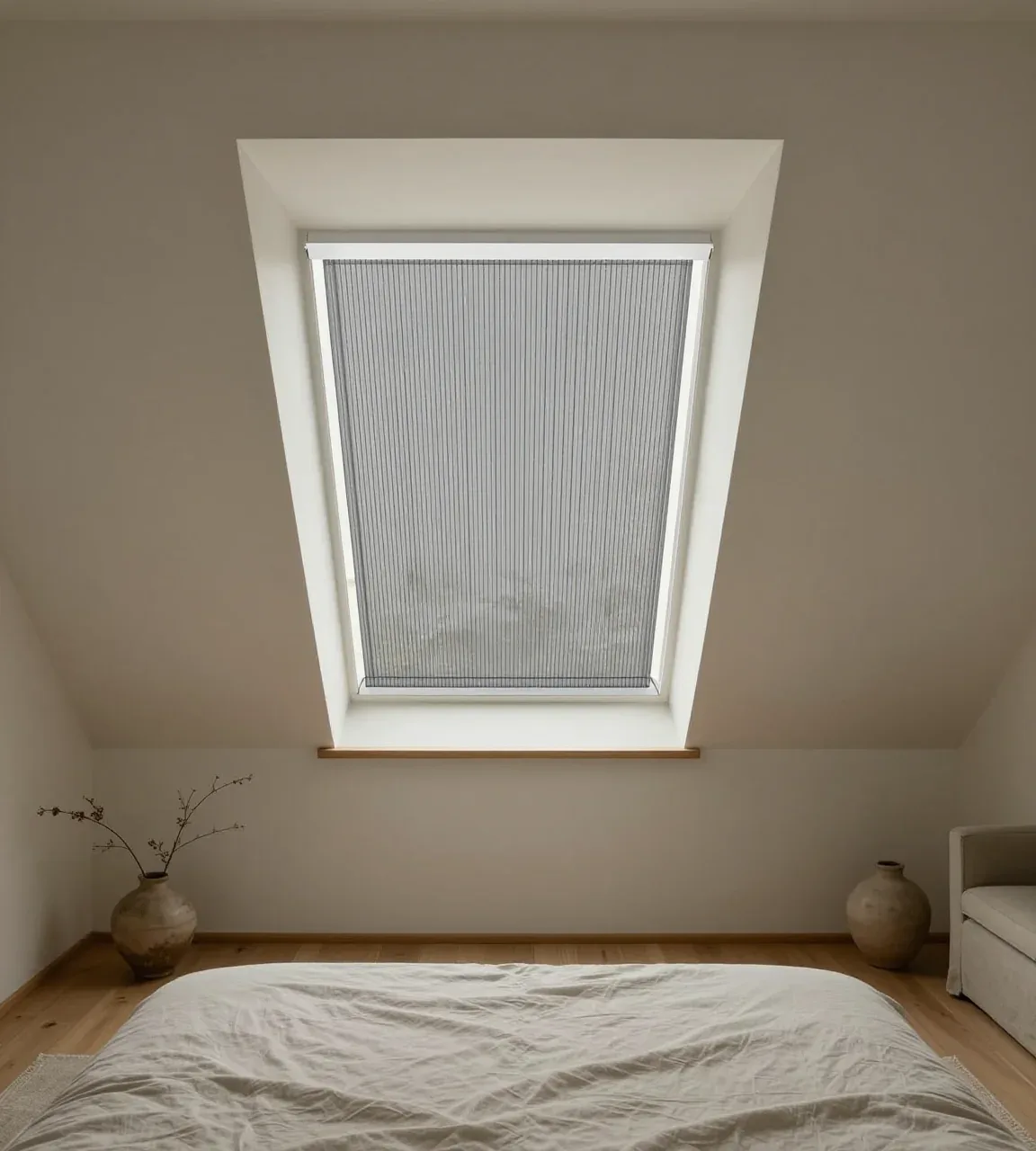
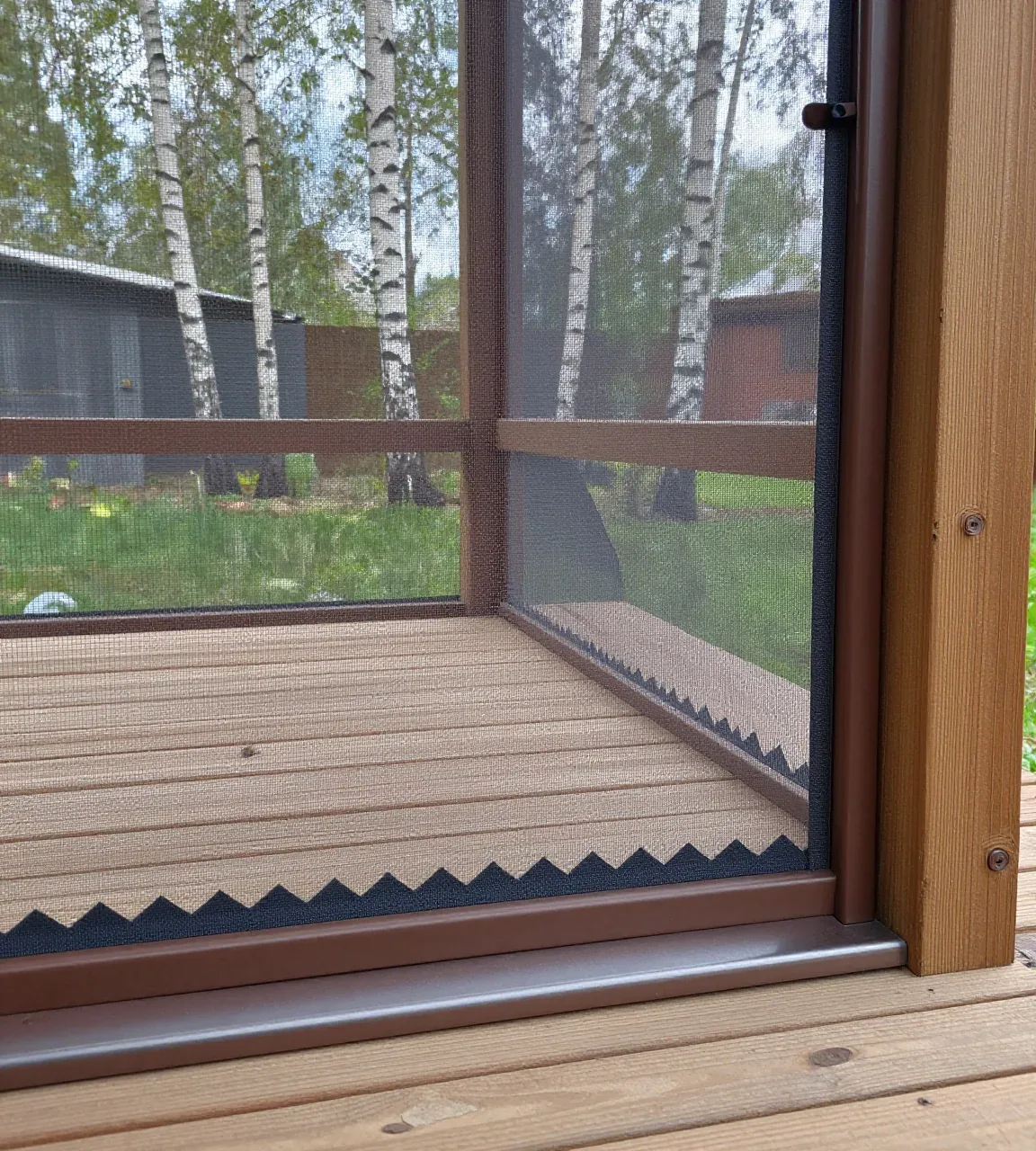
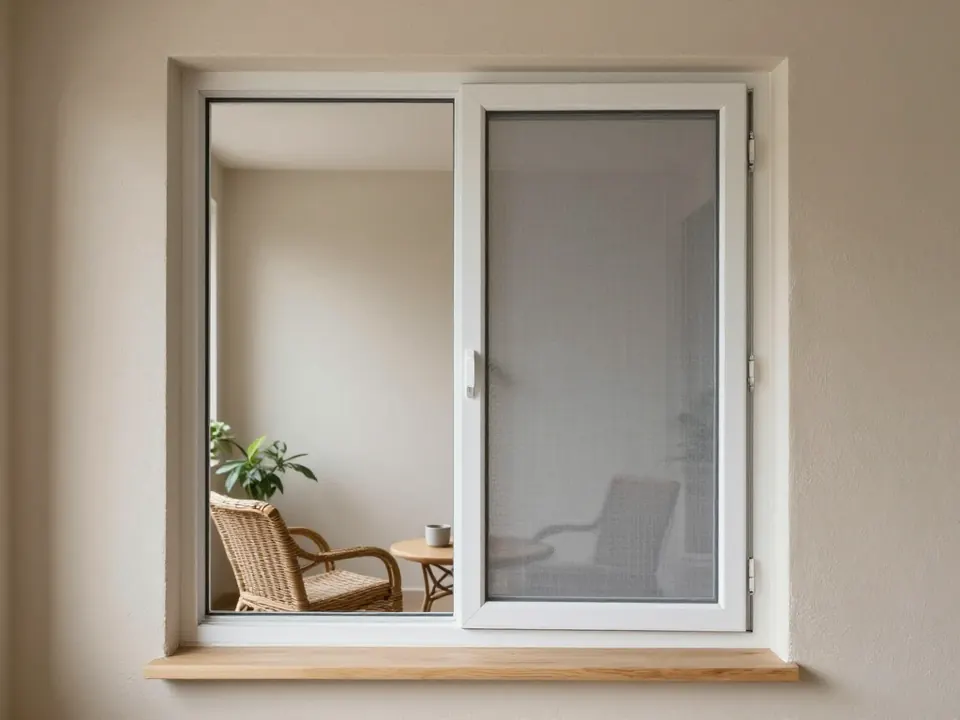
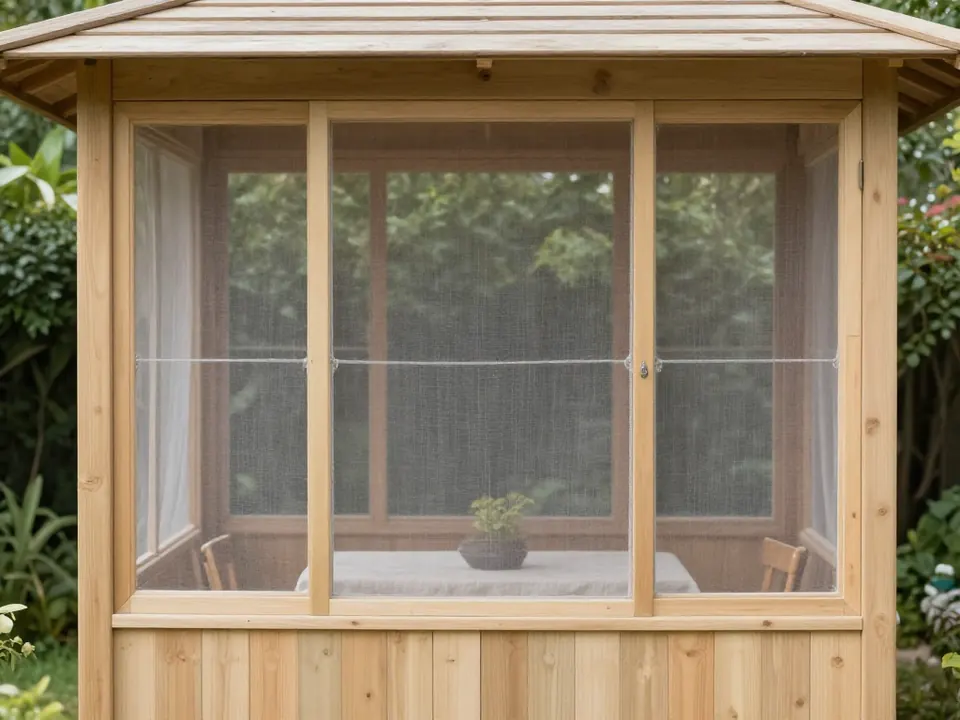
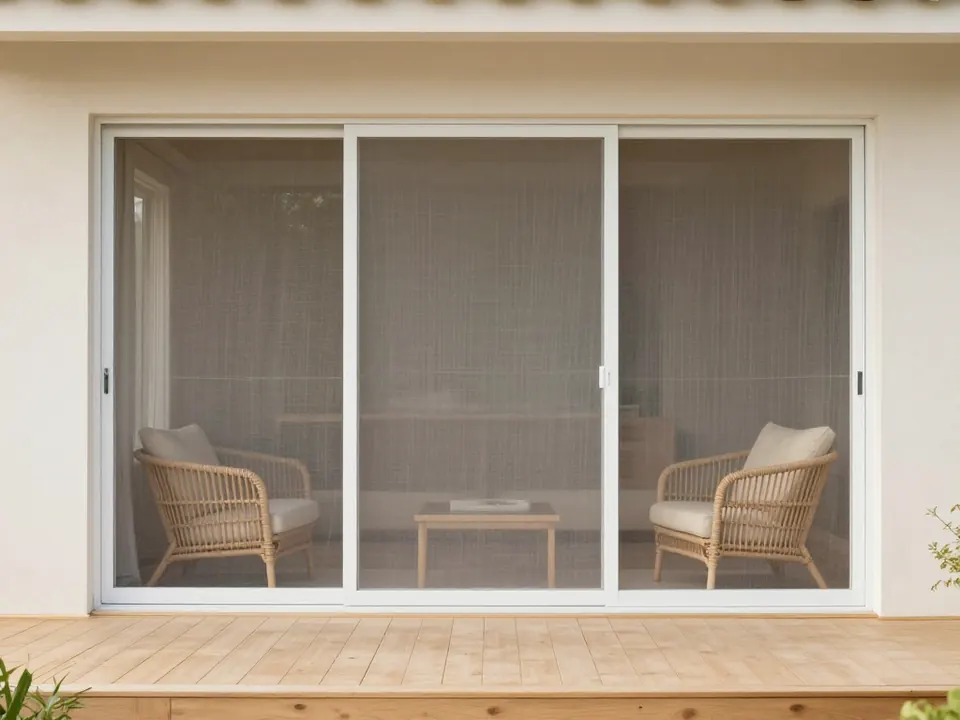
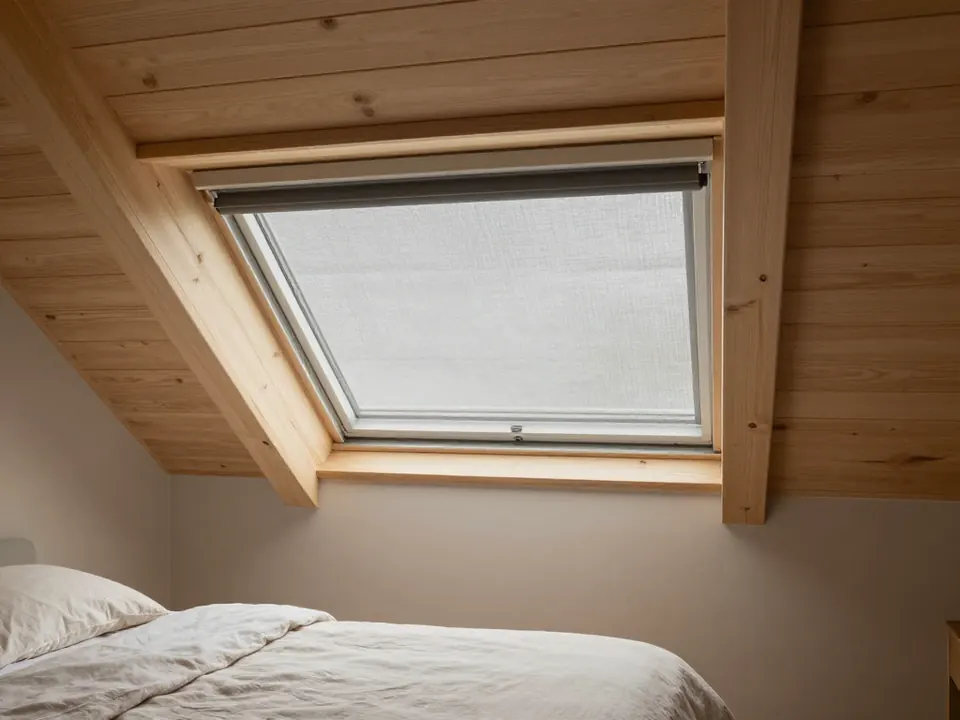
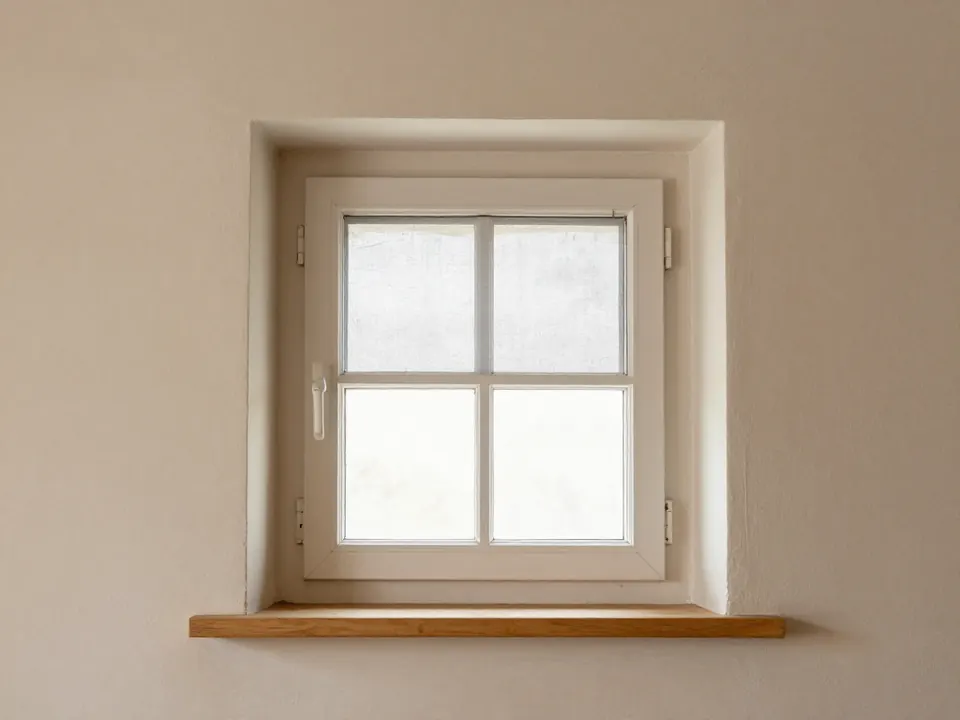
We fit folding mosquito screens on plastic, wooden and aluminium windows, vent panes, loggia glazing, gazebos and verandas, mounting the runner on the frame so the product opens from inside. The folding panel slides sideways on its own guide, which keeps the sill free and lets you open a vent pane without lifting anything out. On wooden surrounds the measurer checks the rebate depth first, since an old sill profile can leave too little room for the side channel. On a loggia or gazebo that channel matters more than the fabric, because a panel that opens inward keeps the walkway clear on a narrow balcony. In our practice, outbuildings and verandas are where the fixing choice decides how long the product lasts — wind load on an open gazebo is higher than on a flat wall, so the brackets are set deeper.
Balcony doors and wide openings
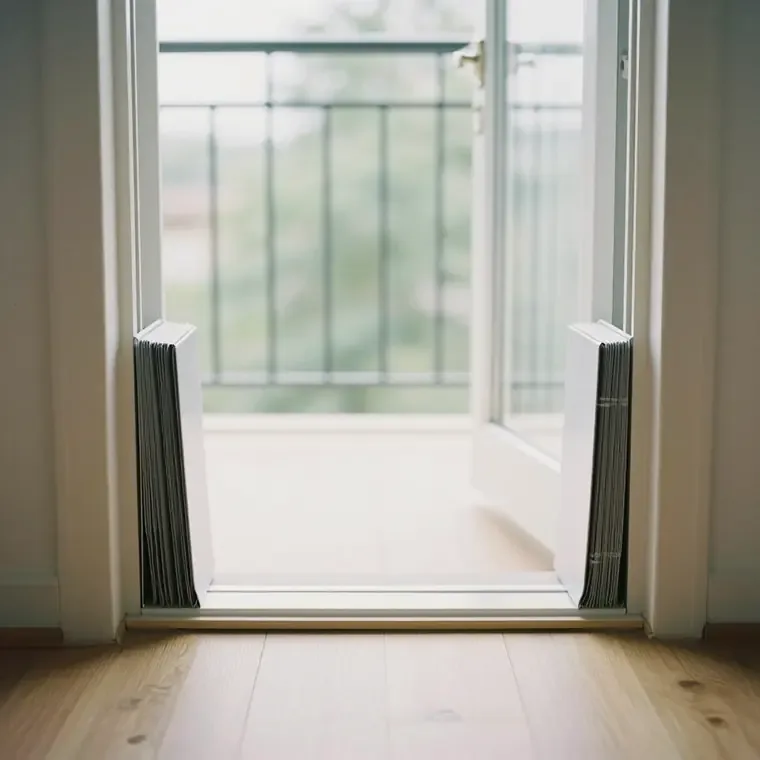
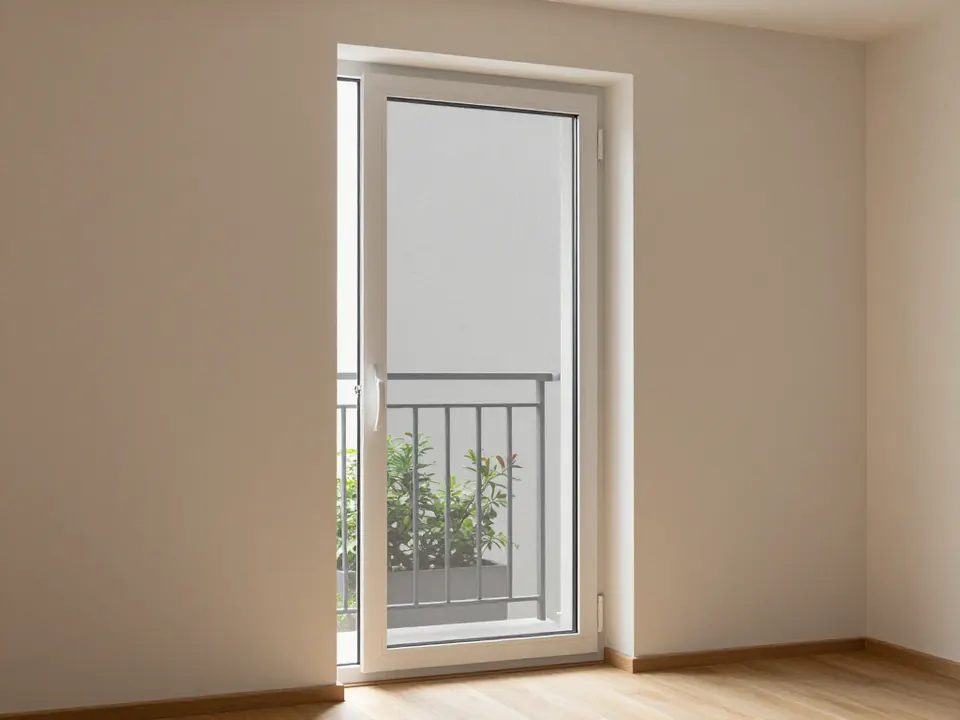
A pleated model handles a tall balcony door and wide openings that a framed unit cannot cover, because the folding fabric travels along its own guide instead of swinging out. The panels stack into a slim pack at one edge, so a wide doorway loses only a narrow strip of clear width when folded back. On a panoramic window the same runner sits along the edge and leaves the glass line unbroken. For a tall entrance, ask the measurer to check the floor line as well as the surround, since a guide that sits level is what keeps the folding fabric running smoothly for years. A tall door also needs the heavier side profile, and the measurer confirms that on site before the order is fixed.
Choosing pleated mosquito screens mesh for midges, pets, pollen and light
We carry five canvases plus metal mesh and Krylo, and each one solves a different problem — from tiny midges and street dust to a cat that climbs the window. Here is how to match the mesh to your case.
Standard, UltraVue and Anti-Dust
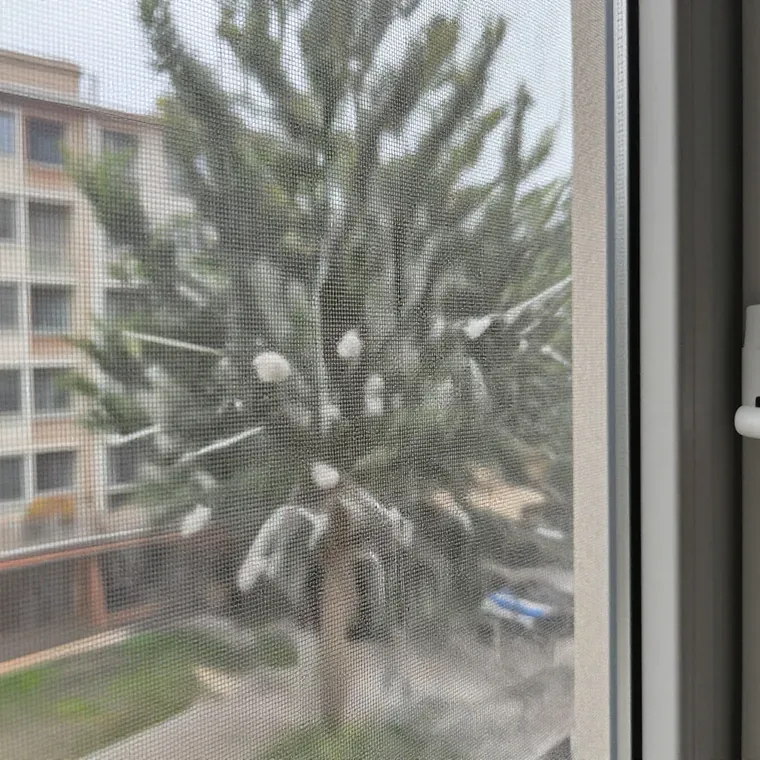
Standard fiberglass is our base mesh, UltraVue lets in 25% more light and air than other meshes, and Anti-Dust traps fine street dust before it reaches the room. Standard handles everyday insects and holds up to temperature swings and open flame thanks to the fiberglass weave. UltraVue suits living rooms and bedrooms where the window stays covered all season: the finer threads keep the view sharp and the airflow noticeably stronger. Anti-Dust uses a tight weave that catches the fine grey film you see settling on sills in a windy district, so less of it ends up on furniture. If a room feels dark behind a screen, the mesh rather than the frame is usually the cause, so upgrading to UltraVue often does more for daylight than a bigger window.
Comparing the meshes side by side
| Mesh | Main job | Key property |
|---|---|---|
| Standard (Fiberglass) | Everyday insects | Fire and temperature resistant |
| UltraVue | Daylight and airflow | 25% more light and air |
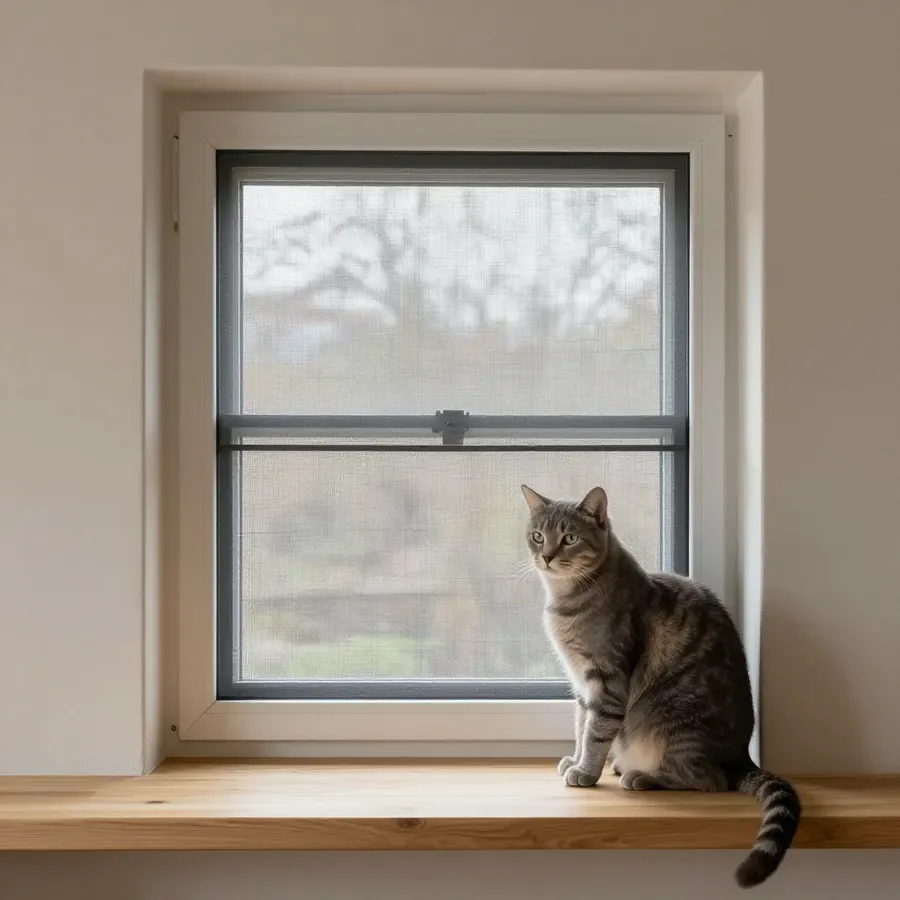
| Anti-Cat (Pet Screen) | Cats and claws | Vinyl threads, several times stronger |
| Anti-Pollen (Poll-Tex) | Pollen and allergy | 0.25×1 mm cell |
| Anti-Dust | Street dust | Fine weave |
| Metal / Krylo | Heavy wear | Rigid mesh |
Fastenings, profiles and frame colour
The fixing and the aluminium section are chosen for your specific opening and floor, not taken from a single default set. Below we explain how Z-brackets, pins and magnets differ and which section suits a hinged door.
How the measurer picks the fastening
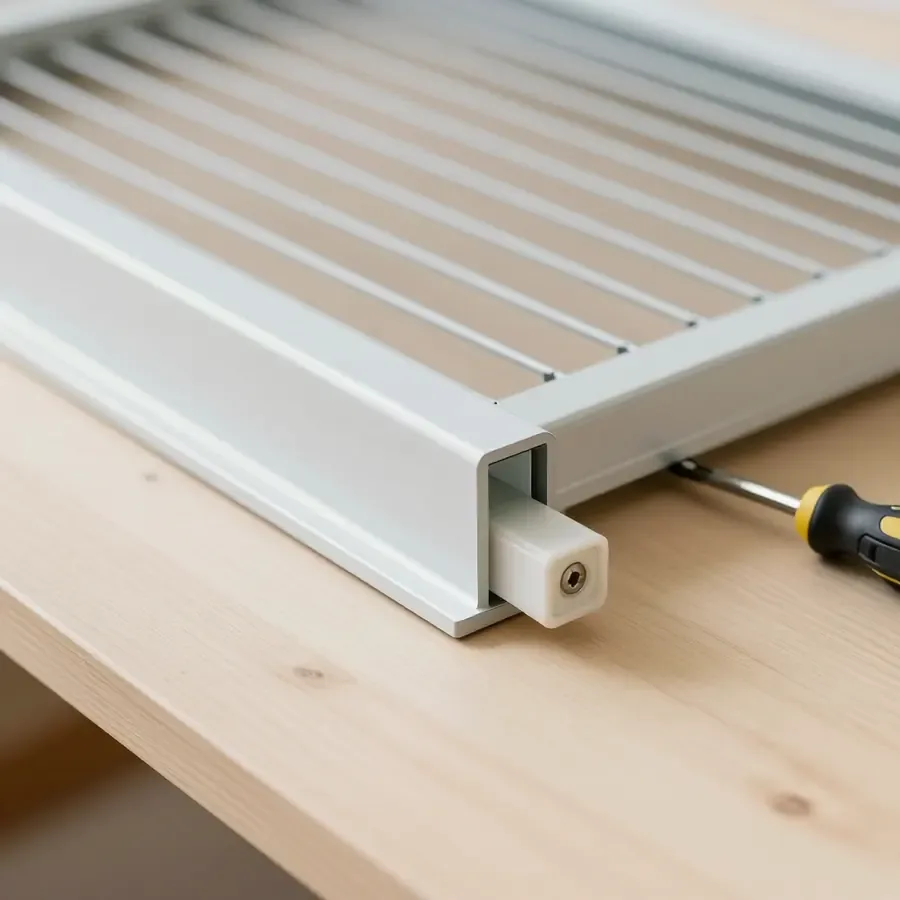
Our measurer chooses Z-shaped brackets, pins or magnets to match your window profile and floor, so the unit sits securely without drilling where it is not needed. Z-brackets hook onto the outer frame and hold the guide rails without a single hole in the sash, pins press into the existing grooves, and magnets hold a light track on smooth plastic or aluminium. He checks the frame material, the depth of the rebate and how far the sash opens before deciding. On an upper floor the wind load is higher, which is why the fixing choice matters more the higher the opening sits.
Economy or Prestige for a door screen
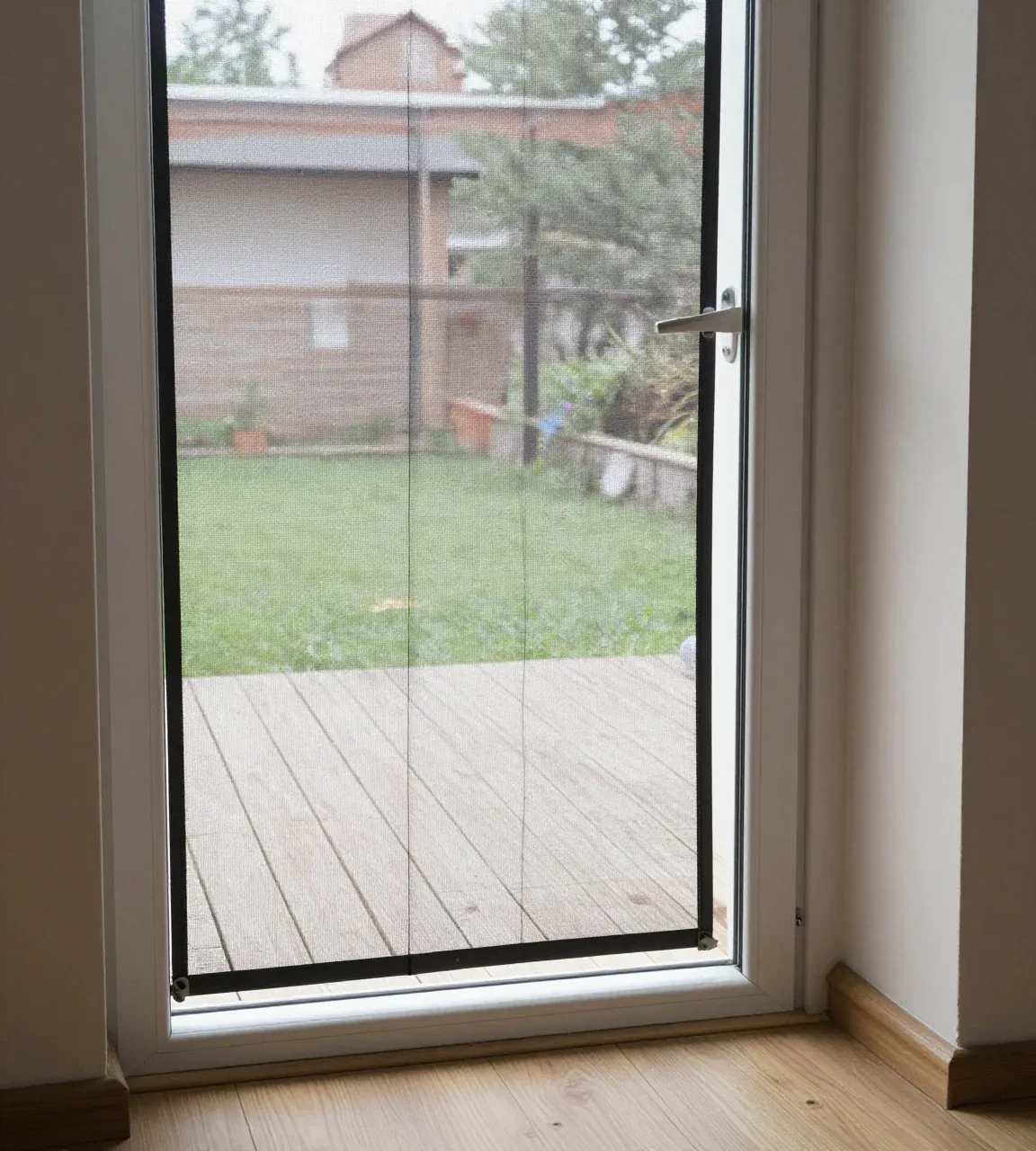
A hinged door screen comes with an Economy 32×10 mm or a Prestige 42×17 mm profile, and the wider Prestige suits a tall or heavily used entrance better. Economy keeps the track slim on a standard balcony leaf where the mesh is opened a few times a day, while Prestige adds wall thickness and a deeper guide channel that holds the folding fabric steadier in a wide opening. A heavier leaf opened many times a day puts more stress on the profile, so the larger size pays off in the long run even where the lighter one would fit.
Painting the frame to match your windows
We paint the screen frame any colour to match your windows, so the folding track blends into the surround instead of standing out. The aluminium section is coated before assembly, which means the colour sits on the whole visible surface rather than on the front face only, and the shade is matched to your joinery at the measuring visit. White, anthracite and the common wood-look tones cover most facades we see; a rare shade is mixed to the sample you show. On a light facade a bare metal edge is the first thing the eye catches from the street, so colour matching pays off most there.
Measuring, making, payment and the warranty
From the free visit to the finished screen, the order runs in clear steps: measure, make, fit, pay. Below are the timings, the payment order and what the warranty covers.
The free measuring visit and making time
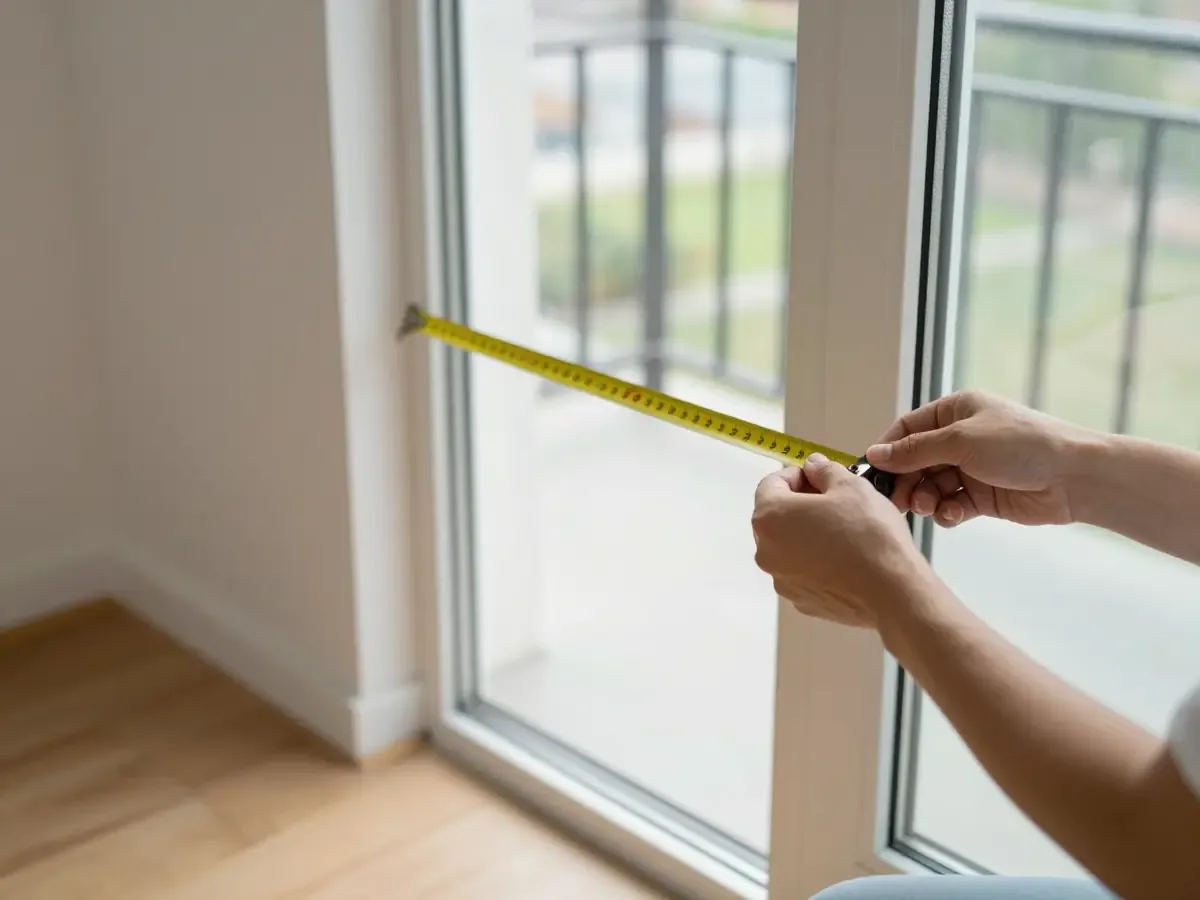
Measuring and consultation are free, the measurer comes at a time that suits you, and a screen made to your size takes 40–60 minutes to produce. The measurer takes the sizes, checks the window profile and the floor, then helps choose the design, the mesh and the fixings. A framed screen in the same visit is quicker still, at 10–15 minutes. We make screens for plastic, wooden and aluminium windows, for vents, loggia glazing, gazebos and verandas, and paint the frame any colour to match your windows. Having the measurer see the window in person is what lets the fastening and mesh be chosen correctly, so a phone order rarely matches a measured one.
Payment after fitting and the 1-year warranty
You pay after installation by cash, card or Kaspi, the price is fixed in the order after measuring, and every unit carries a 1-year warranty. Nothing is charged up front: the order total is set once the measurer has the sizes, so the figure you agree is the figure you pay. The warranty covers the screen itself, and we also repair screens and replace fastenings if something works loose over the seasons. Paying after fitting means you check the folding action and the fastening yourself before any money changes hands. We reply on WhatsApp within 5 minutes and are open seven days a week, so a question about the mesh or the frame does not wait until Monday.
How to choose pleated mosquito screens
The choice comes down to the opening, the mesh and the fitting — get those three right and the product lasts for years with minimal care.
- Door or window: a folding model suits balcony doors and wide openings, while a framed unit still works on a small vent pane.
- Mesh by problem: fine cell for midges and pollen, strong vinyl for pets, open weave for daylight.
- Fitting on site: the fastening and profile are chosen to fit the window and the floor, not picked from a catalogue.
- Fixed before making: a free measuring visit sets the size and the price before anything is cut.
- Low risk for the buyer: a 1-year warranty and payment after fitting keep the risk on the installer, not the buyer.
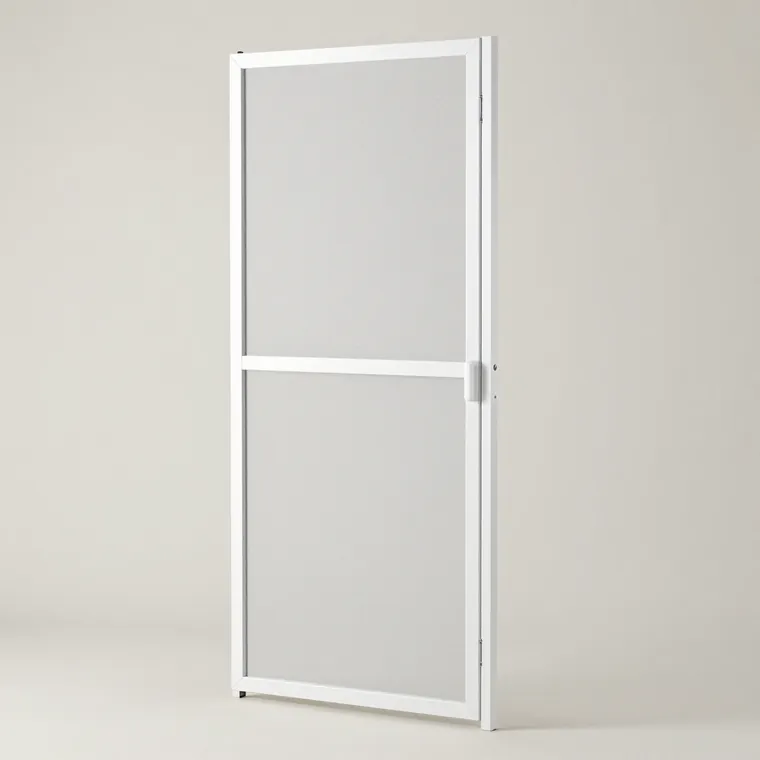 Door screens
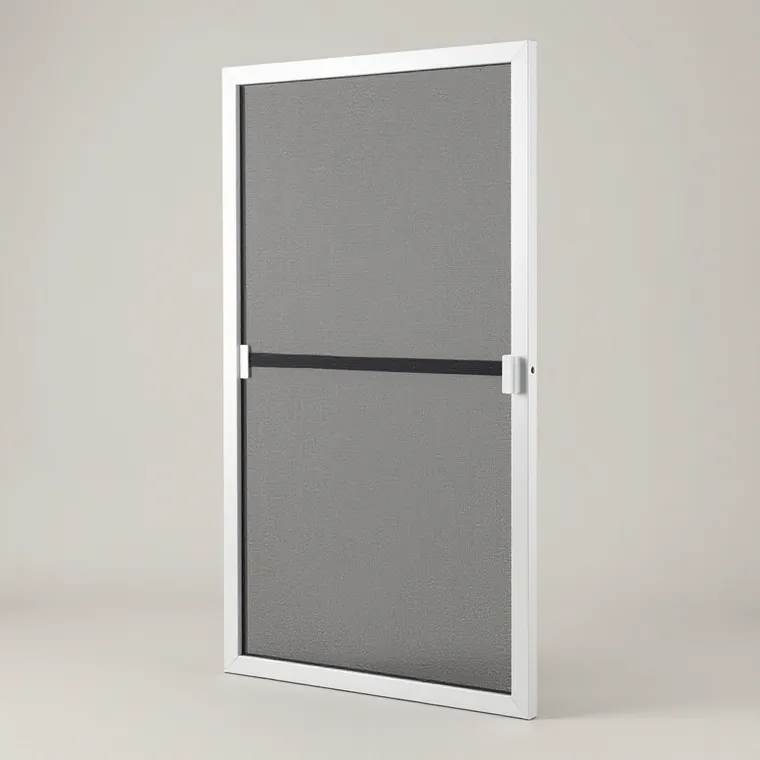 Framed screens
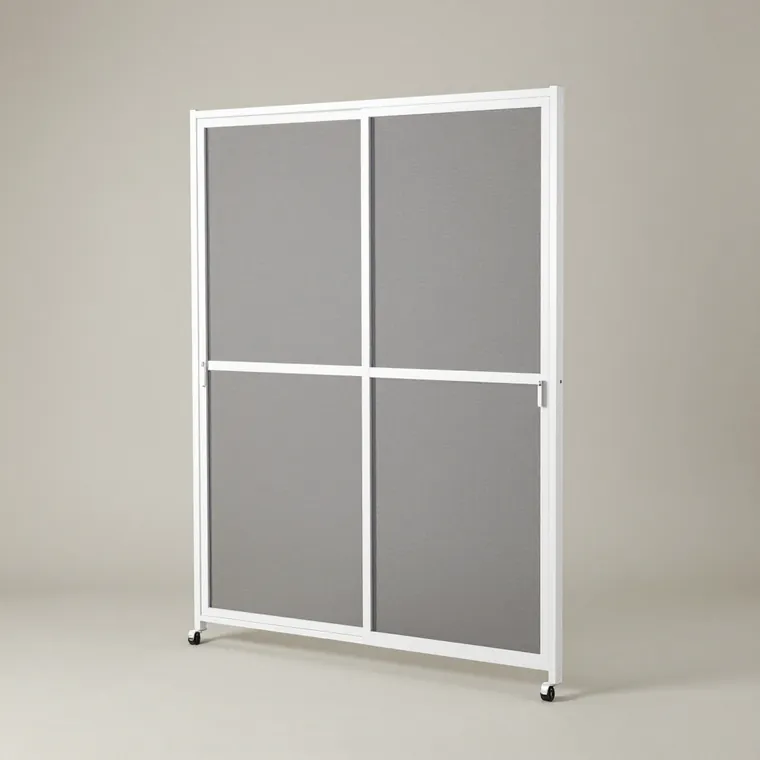 Sliding screens
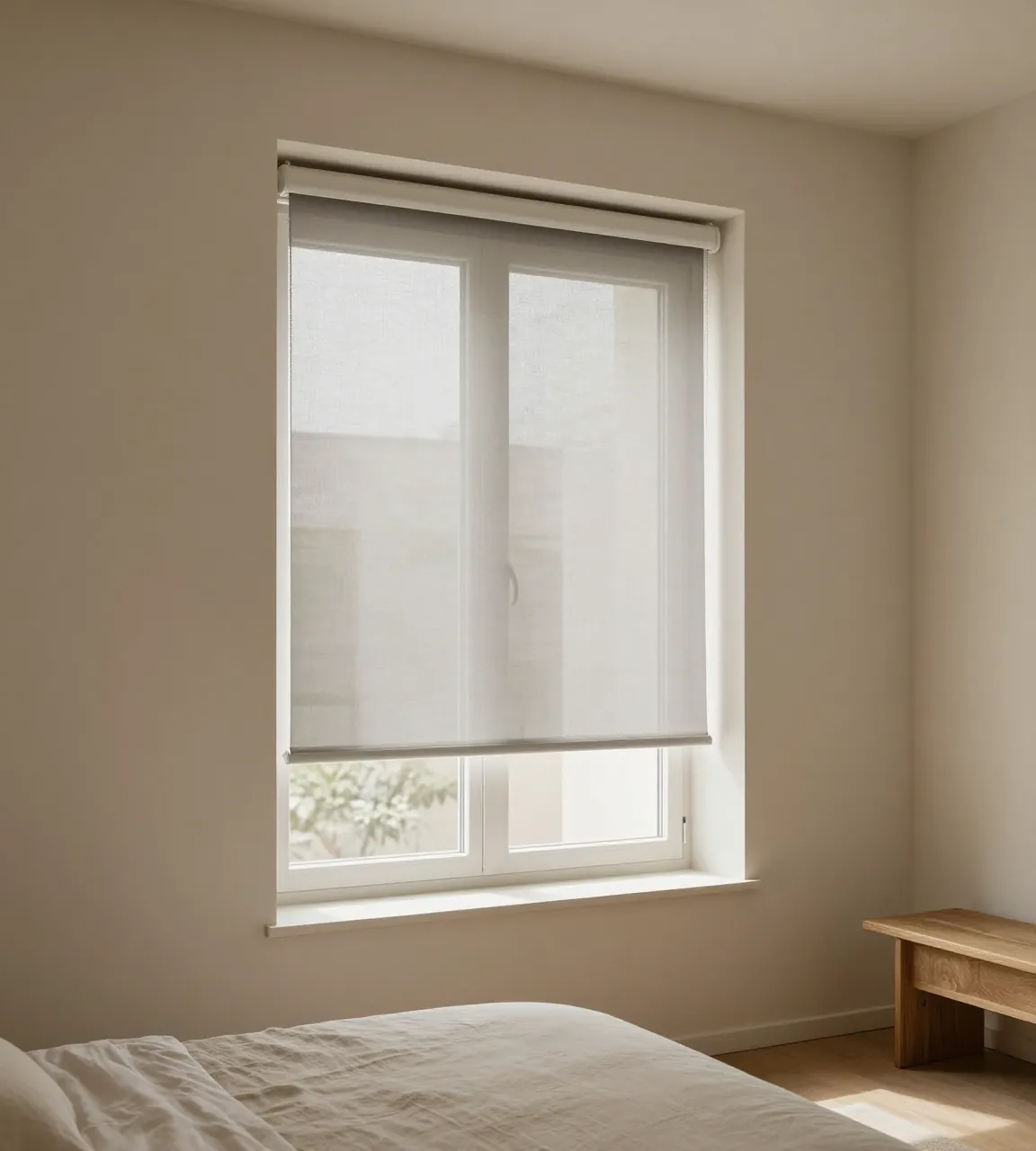 Roller screens
 Ready-made screens